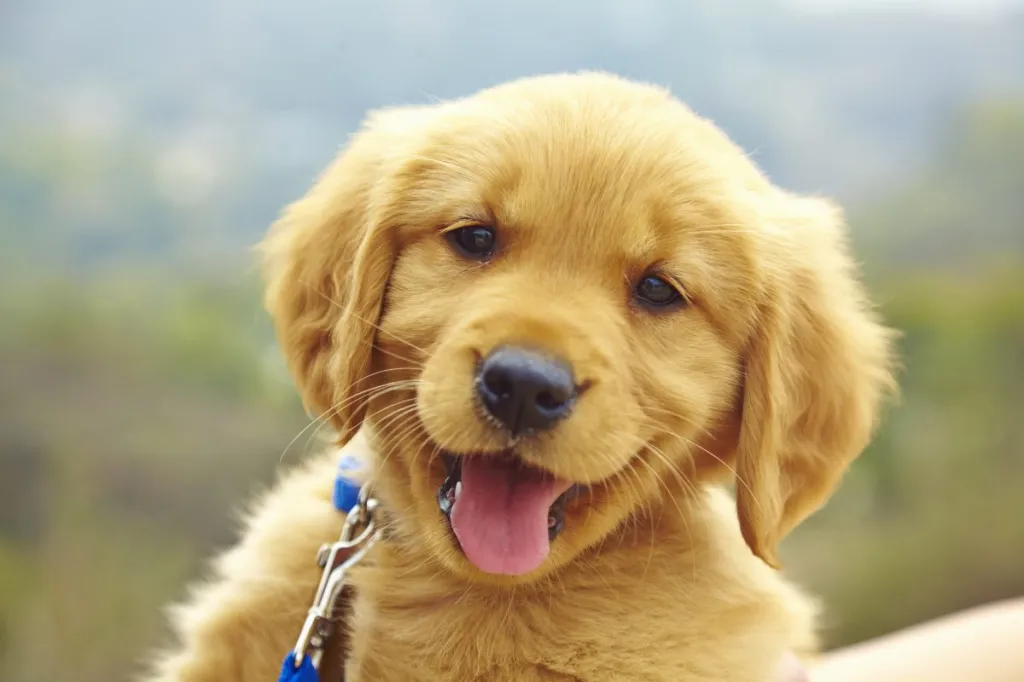
Who doesn’t love puppies? Experts consider puppyhood, particularly the first 3 to 4 months, to be the most important period of a dog’s life. In that short window, a dog’s experiences shape their views about what’s safe and what’s scary — opinions that can be hard to change later on. That’s why training, socialization, and building good habits are so important for puppies. We’re going to give you the rundown of everything you need to know about raising a puppy so you can embark on your pet parenthood journey armed with information and resources.
How long puppyhood lasts
All dogs develop at different rates, with small breeds generally developing the most quickly, large breeds more slowly, and giant breeds being the late bloomers. For many dogs, 5 or 6 months and younger is considered puppyhood. Then, your pup enters adolescence.
Puppy milestones

Raising a puppy involves many milestones. During puppyhood, your dog will:
- Learn to get along with other dogs if they have positive interactions. A dog who misses out on these interactions — part of what trainers call socialization — can grow up to be fearful or aggressive around other canines.
- Learn to be safe and friendly around humans — if they have lots of positive interactions with people of all sorts. Without these interactions — also an important part of puppy socialization — a pup can grow up to be fearful or aggressive with humans. This goes for all breeds.
- Get used to the hustle and bustle of family life. If you expose your pup to dishwashers, vacuum cleaners, other pets, cars — basically all the things they’ll be living with as a family dog — they’re more likely to be relaxed around those things as an adult. Go slowly when introducing anything new, and make sure it’s fun or, at the very least, not scary for the pup.
- Have “puppy rushes,” or “zoomies.” These short, sudden bursts of running, barking, jumping, spinning, and grabbing things with their mouth usually happen a few times a day and last a few minutes.
- Get their adult teeth, around 3 to 6 months of age. Most puppies will chew anything and everything they can get their jaws on to relieve the discomfort of teething. Ice cubes or special chew toys that you can pop in the freezer will ease pain and give your pup something safe to gnaw on.
- Possibly eat poop. Dogs of any age can have this gross habit, but it’s more common in puppies. Be vigilant about scooping poop!
Puppy pointers
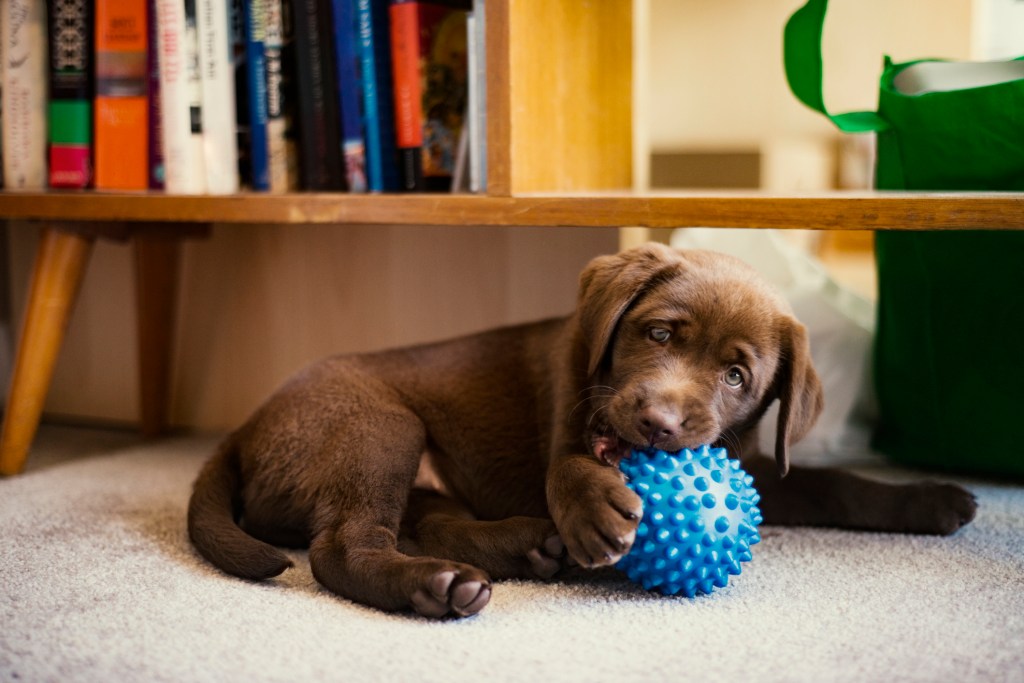
Raising a puppy is practically a full-time job. Here are some tips to help prepare you as a new dog parent:
- Puppy-proof before you bring your new friend home. Protect both your pup and your belongings.
- Don’t take a puppy away from their canine family before 8 weeks of age. Their mom and littermates teach them a lot about how to get along with other dogs during this period.
- Keep your puppy in the house and around the family. Dogs are social animals; there’s really no such thing as a “good outdoor dog.” Isolating your puppy will come back to haunt you in the shape of fear or aggression.
- Your pup needs vaccinations. Vaccines protect dogs from serious, and sometimes fatal, diseases. Most puppies get shots that start sometime between 6 and 8 weeks and end at about the 20th week.
- Growing puppies need more nutrient-dense food than adults. Check labels to make sure your food is formulated for puppies.
- Young pups shouldn’t walk in public places. They’re still vulnerable to dog diseases. Ask your vet when your pup will be ready to go out and about, but it will probably be sometime around 4 to 6 months.
- Expose your puppy to everything and anything they’ll do or see as an adult. This includes exposure to a wide variety of new people and pets, being handled and groomed, and sights and sounds of the household and neighborhood. Introductions to new situations and things should be gradual and pleasant. Build positive associations.
- Avoid scaring your pup. Anything that spooks them — particularly from age 8 weeks to 11 weeks, which is considered a fear imprint period — can turn into a lifelong phobia.
- Spay or neuter your pup. You can do so at age 6 to 9 months, though you should ask your veterinarian for advice. Spaying and neutering can cut a dog’s risk of several diseases and prevent problems such as marking and escaping.
Training, behavior, and setting the rules
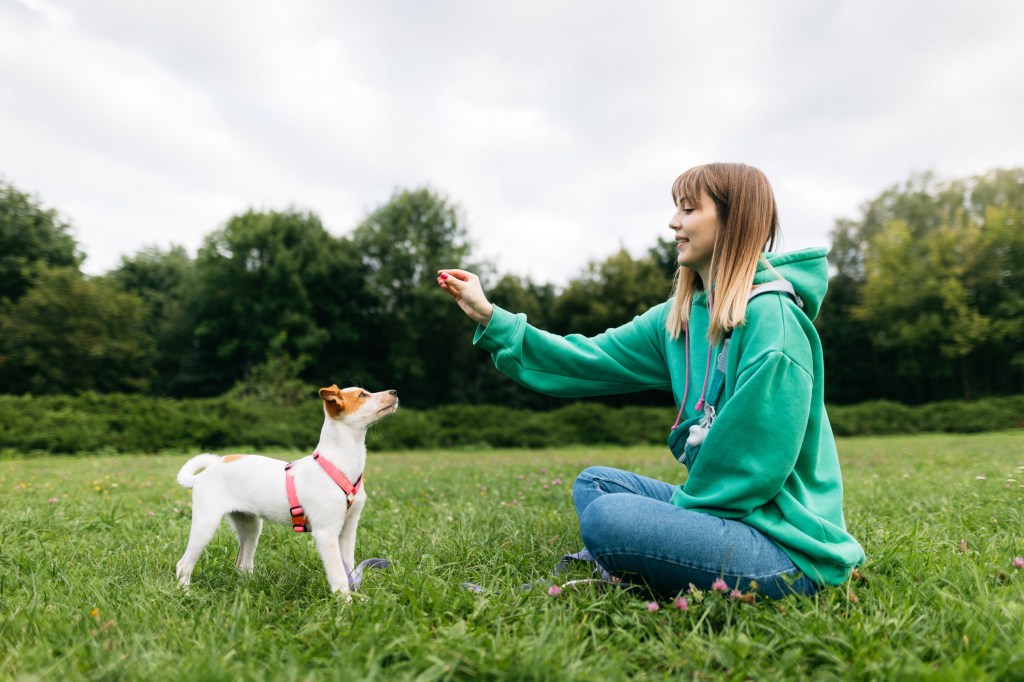
Training is a major part of being a responsible dog parent. Here are some guidelines to keep in mind as you begin raising your puppy:
- Start training as soon as your pup comes home. In fact, a puppy kindergarten class is an excellent way to get your pup used to being around people and dogs. Many classes let puppies enroll as young as 8 to 16 weeks of age.
- Don’t punish your pup. Yelling and hitting don’t teach a dog of any age how to behave. These tactics are especially unfair to a young puppy who’s still trying to figure things out. Train your pup and be consistent about house rules, but also be gentle.
- Don’t let your dog do anything as a puppy that you don’t want them to do as an adult. If you lavish your pup with affection when they jump up on you, they won’t outgrow the habit once they’re an adult.
- Teach your puppy where to eliminate and what to chew right away. This prevents bad habits and establishes good ones. Start housetraining as soon as you bring your puppy home. Keep them supplied with plenty of chew toys (stuff them with kibble and treats to entice them to chew) so they understand to gnaw on them, not on your belongings.
- Avoid letting your puppy run and jump on hard surfaces. Jumping on surfaces like concrete can harm your puppy’s developing body. Wait until your dog is 1 year to 18 months old before you jog or run with them.
- Prepare for a personality change. An affectionate puppy can turn aloof in adulthood, while a pup who played well with others may start giving other dogs attitude. This is one drawback to getting puppies rather than adults. With an adult, what you see is what you get, whereas a puppy may surprise you.
Raising a puppy is a big commitment. You need to give your little canine companion lots of attention, training, and socialization. Without this care, your pup may develop behavior problems that are hard, or even impossible, to change.
Remember to enjoy puppyhood. It doesn’t last forever, and one day you’ll look back and wonder how your fur baby is suddenly all grown up!
Discover more from DogTime
Subscribe to get the latest posts sent to your email.