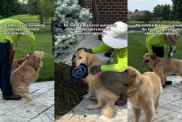
We know too many stories of dogs who have been given to a shelter, or even abandoned, after easily-correctable behaviors were ignored, mishandled, and or grew into big problems. Many of these dogs were rescued and adopted, and, with a good training class, have become the great dogs their original parents hoped they would be. To avoid your dog becoming another problem dog in a shelter, start off on the right foot by taking them — and the whole family — to a professional dog trainer.
Dog training professionals provide classes that can help your dog and your family learn to live with each other. A good training class is one that combines fun and socialization along with lessons on commands and control. Here’s how to find the trainer and class that best fits your needs.
Why your dog needs formal classes
Many dog parents look at that little bundle of fur they just brought home and think, “Oh, I can handle this. They’ll pick it right up.” Yet a lot of good intentions go out the window, especially if the techniques you use are not working. After a couple of frustrating days, many parents simply give up. The problem is, whether you’re deliberately training your dog or not, they’re always learning. If you don’t help them separate what’s right from what’s wrong, they’ll find their own path, make their own rules, and (surprise, surprise) they may not align with yours.
Proper, positive training strengthens the tie between you and your dog, while helping them to happily and willingly follow your commands. Proper training also helps pet sitters, vets, and groomers to safely help your dog.
Signs of a good dog trainer
It’s crucial that the dog trainer you choose uses humane training techniques that support proper behavior through positive reinforcement. That means rewarding good behavior with food, attention, play, or praise. Stay away from trainers who use inhumane techniques or refuse to give rewards until the dog submits to a command. Training techniques should never use yelling, choking, shaking the scruff, yanking on the leash, alpha rolling (forcing the dog onto their back), or other actions that terrify or cause pain.
Where to find “good” trainers
The best way to locate a good trainer is through referrals. Family, friends, pet sitters, or your vet may have recommendations. Google “dog or pet training near me” and check out the specialties. Remember to read reviews and check with the Better Business Bureau for complaints.
Many dog trainers hold memberships in dog training associations. Keep in mind that these memberships do not automatically mean the trainer is the right one for your situation. Qualifications for membership vary and may not meet the criteria you are looking for.
There are no government regulations or licenses specific to dog training. Therefore, it’s important that you personally check out a trainer’s experience and qualifications before you pay to enroll your dog. Ask to visit a class and observe the methods used.
Individual vs. group classes
Group, individual (private lessons), self-guided, and dog-only (parents excluded) are the types of training classes offered. Group training offers the best return, as your dog will be taught to intermingle and socialize with other dogs, allow handling by other humans, and pay attention to their parents.
And it works both ways. You and your family learn by seeing other people interact with their dogs. If at all possible, the entire household should take part in the dog’s training. By learning to interact humanely and successfully with the family’s furry friend, your family will develop bonds that will be the beginning of a life-long companionship.
What to look for in a group class
Ask to attend a session before enrolling. Watch for the following:
- Is class size controlled to ensure personal attention?
- Are puppy, adolescent, and adult dogs kept in separate classes?
- Are there different training stages (i.e. puppy, beginner, intermediate, and advanced)?
- Are the equipment and methods designed to ensure positive and humane reinforcement?
- Do the trainers use differing methods to adapt to an individual dog’s needs?
- Is proof of vaccination a prerequisite?
- Do the dogs and their parents seem to be enjoying themselves?
- Are dogs and parents enthusiastically encouraged?
- Is praise used consistently?
- Are positive and kind voice commands used?
- Are lesson sheets given out?
- Is information on how dogs learn, grooming, problem-solving, and other dog/parent issues discussed?
Costs of training
Training costs differ based on several factors, including where you live, type of training, length of the program, etc. Private lessons can vary from $40 to $250 per session. Group lessons can start at $20 to $25 per session. For a set of classes that lasts six to eight weeks, that’s around $120 to $600 total. Your local shelter or pet store may offer subsidized programs for the general public and/or people who are adopting from the shelter.
When to start training
If your pet is a puppy, enroll him in puppy classes between 8 and 16 weeks of age. These classes teach basic commands, tricks, and dog and human socialization skills. Dogs older than 6 months should be enrolled in either adolescent or adult classes. Some trainers offer specialized older dog training classes for dogs who have never been formally trained before.
After you find a trainer
- Ask your vet to give your dog a once-over to be sure they is healthy and up-to-date on all their vaccines.
- Skip feeding your dog just before class. Many trainers rely on treats to encourage positive reinforcement of skills. A full dog may not respond to the treats.
- If your trainer recommends bringing certain toys or equipment for a class, have them ready and available.
- Remember to continue your training lessons at home to reinforce newly-learned skills.
Bringing yourself and your dog to training classes benefits both of you, as your dog becomes a well-behaved member of your home and your neighborhood.
For more information
For more information on choosing a dog trainer, check out the Association of Pet Dog Trainers (APDT).