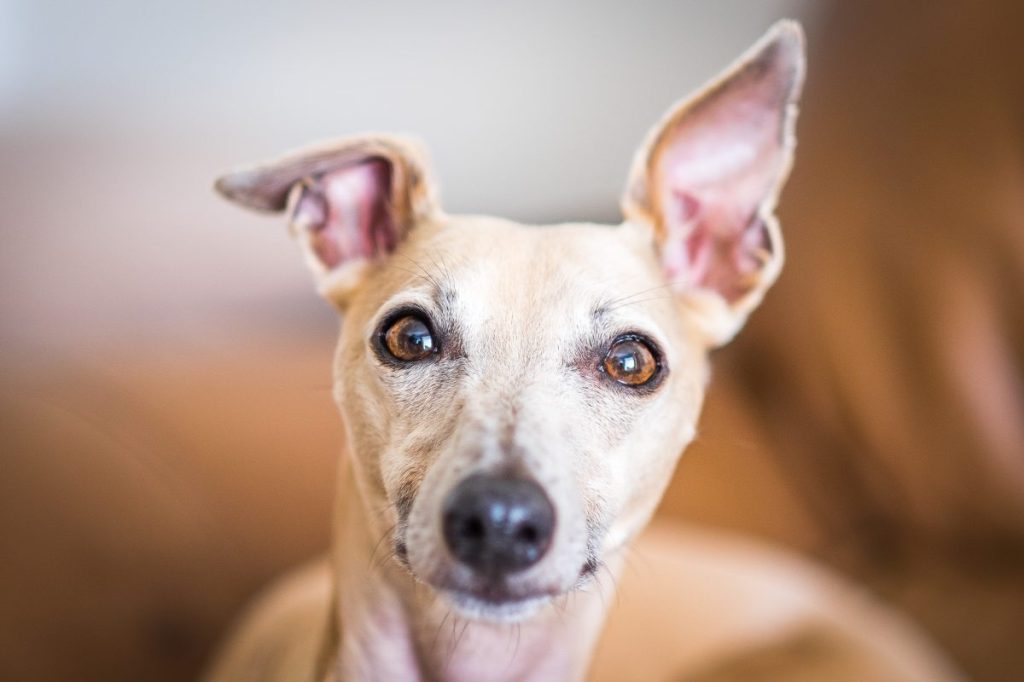
They perk up when interested, they droop when sad, they fold back when threatened. Even if they had no useful function for hearing, ears are as much an outward sign of a dog’s mood as their tail. But of course, they’re also remarkable hearing devices. Dog ears are far more sensitive than human ones, and they’re capable of hearing at a higher frequency. Because dog ears are so good at bringing in the outside world, dogs rely on hearing even more than on their eyesight.
Naturally, dog ears require a parent’s attention and care to prevent simple problems, and to catch more severe ones. Making sure your dog’s ears are in good health is an effective, and relatively simple, part of canine care.
Keep your dog’s ears clean
A dog’s ears are largely self-cleaning. It’s normal to see light brown secretions in the ear canal; these help the ear protect and clean itself. As long as this is the extent of the wax in your dog’s ear, no cleaning is necessary. However, if you notice a heavier buildup of wax, it’s time to clean.
Also, if your dog plays outside frequently, it’s important to check the ears often to be sure grass, seeds, and other debris don’t get stuck in the ear. These are common sources of irritation, often leading to infection.
- Use a cloth dampened with mineral oil or a cleaning solution just for dogs, such as Oti-Clens or Epi-Otic, available through most pet stores.
- Gently wipe the skin inside the ear (don’t allow the solution to drip into the ear).
- Don’t try to clean more than a half-inch into the ear canal. Probing further can damage the eardrum.
Do not:
- Use alcohol or other solvents, which will irritate the skin and cause pain.
- Use Q-tips or other objects that can probe deeply.
- Use water.
- Syringe your dog’s ears.
- Proceed if you are not sure of yourself. Your vet can do it instead.
Ear problems
Ear problems are common in dogs. In fact, ear care accounts for about 20 percent of a vet’s practice. A wide range of factors can cause trouble for your pup’s ears, but the majority can be attributed to:
- Allergies
- Foreign bodies, such as grass or seeds
- Microorganisms, such as bacteria and yeast
- Trauma to the ear, such as a blow that leads to swelling
- Hormone problems, such as hypothyroidism
- Excess moisture in the ear
- Immune or hereditary conditions
- Tumors
- Ear mites
Of the many causes of ear problems in dogs, ear mites are common, and most often found in puppies and young adult dogs. Ear mites are tiny little bugs that live in the ear canal, and they bite through the skin to feed. Telltale symptoms are scratching at the ears and violent shaking of the head. The insides of the ears will appear red, crusted, and scabbed. You may notice earwax that looks like coffee grounds (this is dried blood), and there may be an odor as well.
Get to know your dog’s ears, and check them once a week (like when you’re giving them a nice head-scratching for being such a good dog). Once you’ve come to know what your dog’s ears should look like, you’ll instantly recognize when there’s a problem.
When it’s time to see a vet
Because the ear is easy to examine (unless you have an unwilling dog, or they’re in obvious discomfort), it’s not hard to stay on top of ear health. If you notice any of the following, make an appointment with your veterinarian:
- Excessive wax in the ear
- Wax or any foreign object that’s more than 1/2 inch deep into the ear canal
- Oozing or discharge
- Inflammation and/or swelling
- Excessive scratching
- Violent head shaking
- Bleeding
- Blood blisters on the ear flap
- Unwillingness to allow examination due to pain
What’s next
Your vet will examine your dog’s ears. Typically, they can make a diagnosis easily, especially in the case of ear mites or a foreign object lodged in the ear.
If ear mites are diagnosed, you and your dog are in for a course of treatment that lasts for a month. Ear mites are highly contagious (although not to humans) and difficult to get rid of, so it’s critical to complete the treatment or the infestation will quickly return. To further complicate matters, mites will escape to other parts of the body when treatment begins, causing further itching and scratching. The entire dog must be treated weekly for four weeks using a pyrethrins-based shampoo and/or flea powder. Luckily, most mites don’t live long without a dog for a host, so you usually won’t have to treat the house or the yard.
How to prevent ear problems
A simple way to prevent ear problems is to keep water out of the ear canal. A damp ear is a perfect breeding ground for fungus or bacteria, especially for dogs with ear flaps (ears that hang down). When bathing your dog, be sure to not let water into the ears. Use cotton to block the ear canal. If your dog’s a swimmer, use a towel and then some cotton balls to dry the ears. If their ears are otherwise healthy, a few drops of a drying solution found at the pet store can help prevent problems when water does enter the ear canal.
Discover more from DogTime
Subscribe to get the latest posts sent to your email.