
Believe it or not, dogs can suffer from allergies, as well as cause them. In fact, allergies are all too common among canines.
Allergies can’t be cured, but they can be treated, both with medication and by protecting your dog as much as possible from whatever’s making them feel sick.
Here’s what you should know about dog allergies and what you can do about them.
Common Types Of Allergies In Dogs
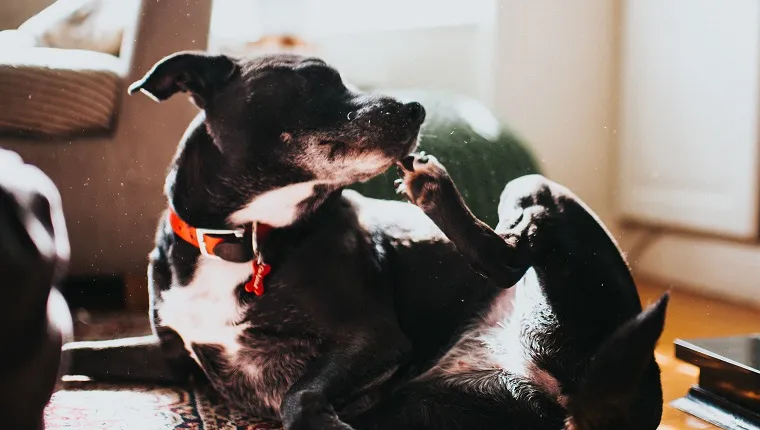
As in humans, allergies in dogs are caused by an immune system that overreacts to an everyday substance, such as fleas, pollen, or a certain food.
Virtually any substance can trigger an allergic reaction, though there are some that are more common sources of allergic reactions than others.
The following are the three most common types of allergies that dogs can suffer from.
Atopic Dermatitis
Atopic dermatitis is genetic. An affected dog inherits a tendency to develop skin problems, generally from pollen, grasses and trees, dust mites, or mold spores.
It usually begins with a seasonal reaction to pollen when the dog is young and progresses until the dog is allergic to many different substances year-round.
Skin irritation tends to appear around the eyes, mouth, armpits, stomach, and anal area. Ear infections are also common.
Your vet can run a skin or blood test to see what’s causing the problem; although, these aren’t always totally accurate, and medication can interfere with the results. Your dog shouldn’t have prednisone for a month before the test or antihistamines for ten days before.
The vet may give your dog steroids for short-term relief from the itching and immunotherapy — allergy shots — to lesson your dog’s sensitivity to allergens long-term.
Flea Allergy
An allergy to blood-sucking fleas — or rather, to their saliva — is the single most common skin condition in dogs. In allergic dogs, a flea bite can cause severe itching, red bumps, and inflamed skin that lasts for days. The more an allergic dog is bitten, the worse the allergy gets.
Steroids and antihistamines can make your dog less itchy, but the only real treatment is tight flea control in the house and yard, as well as on the dog. Luckily, there are many options for flea prevention.
Talk to your veterinarian about flea medication or natural solutions to prevent flea infestations. You can find flea prevention medication online here, but make sure you ask your vet if it’s right for your dog, and have them explain any potential side effects to you.
Food Allergy
Dogs can be allergic to several types of food, but the most common triggers are chicken, beef, corn, or wheat — all typical ingredients in commercial dog food.
The allergy usually shows up as a skin problem, such as itching, rashes, and hot spots — warm spots of infected skin. Some dogs may have stomach upset as well, with chronic diarrhea or vomiting.
To find out what your dog is allergic to, work with your vet to try an allergy elimination diet. This diet involves giving your dog a special food that you’ll get from the vet, and over three or four months, gradually adding other foods back to your dog’s diet.
When your dog starts itching again, you’ve found your culprit and can keep it out of their food bowl for good.
When It’s Time To See A Vet
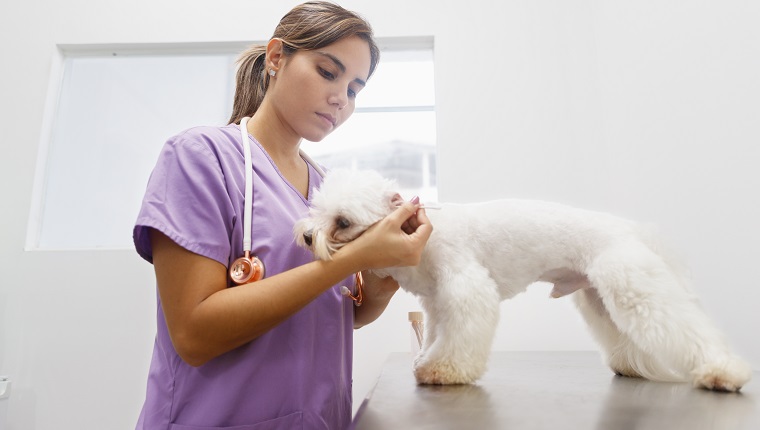
A visit to the vet is in order if you spot these allergy warning signs:
- Frequent scratching, licking, and chewing
- Recurring skin or ear infections
- Red, thick, or flaky skin
- Hair loss
- Chronic stomach upset
- Reverse sneezing or “honking” — sounds a bit like the dog is inhaling sneezes
How To Treat Allergies
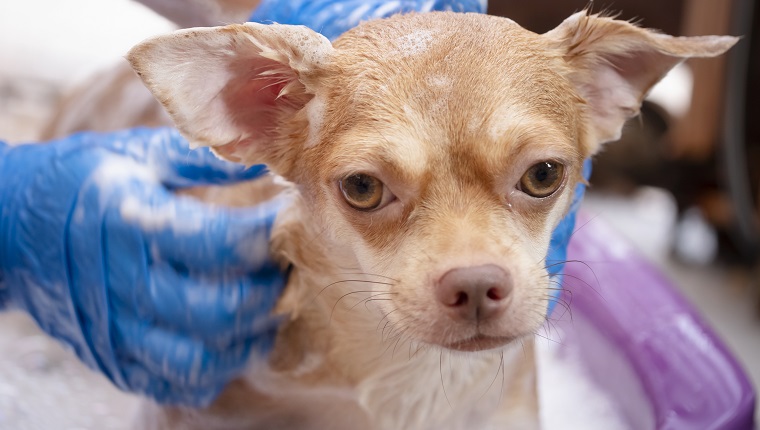
Treatment plans vary depending on the allergy, but they usually involve medication, managing the environment to remove the allergen, or both. Not every dog will need all these measures, so talk with your vet once you know what your dog is allergic to.
Here are a few common ways to deal with dog allergies:
- Antihistamines, steroids, and other medications may relieve itching. Steroids aren’t a long-term solution, however, since they can cause serious health problems. Antihistamines are safer; although, they may make your dog drowsy.
- Immunotherapy may make your dog less allergic, but it doesn’t work for food allergies.
- Air filters cut down on airborne allergens, and air conditioning makes it harder for allergy culprits like mold to grow.
- Essential fatty acids supplements help relieve symptoms in some dogs.
- For dust mite allergies, wash your dog’s bed, even if it’s your bedspread, in hot water every other week or even weekly. If your pup is allowed on furniture, put down a towel or blanket that you can wash in hot water.
- Avoid going outside in the early morning and late afternoon when pollen levels are at their peak. After walks, wipe your dog down with moist towelettes to remove pollen.
- To keep an allergic dog’s sensitive skin from drying out after bath time, bathe with hypoallergenic dog shampoos and crème rinse only, and rinse with water thoroughly.
- Follow a strict flea control program. Fill dog beds with cedar to discourage fleas from taking up residence.
- Don’t leave with your dog in a humid part of the house, such as the basement, laundry room, or bathroom.
Immunotherapy May Help
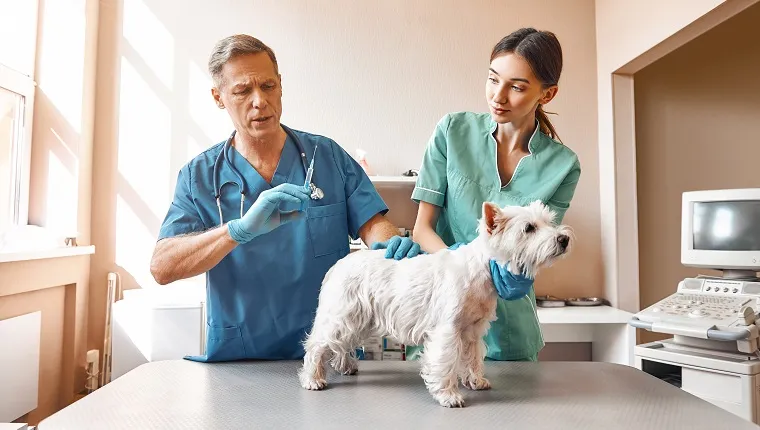
Dogs can get immunotherapy — often called “allergy shots” — just like people. Unlike drugs designed to ease symptoms, immunotherapy may make your dog less allergic by regularly exposing them to tiny amounts of whatever they’re sensitive to. It’s not effective for food allergies, though.
Not all dogs respond to immunotherapy. About 60 to 80 percent do very well with the shots, about a fourth get some relief, and another fourth don’t respond at all. It takes weeks, months, or sometimes even a year to know if it’s working. Expect the pay-off next allergy season — not this one.
If it does work, your dog will probably need regular shots for the rest of their life. Your vet or a veterinary dermatologist will teach you how to give the shots to your dog at home; although, if you have a tough time doing this, the vet can do it for you.
Rarely, a dog will have a serious reaction to the shots, so you’ll need to schedule them for when you’ll be nearby for a half hour or hour afterward to keep an eye on your dog.
Other medications that might help your dog’s allergies include:
- Cyproheptadine For Dogs: Uses, Dosage, & Side Effects
- Hydroxyzine For Dogs: Uses, Dosage, And Side Effects
- Benadryl For Dogs: Dosage, Uses, And Side Effects
What’s Next?
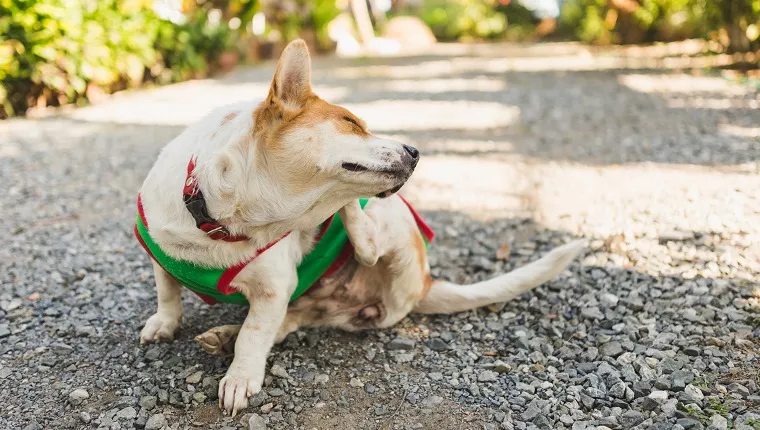
Unfortunately, you’re in for allergy management for the life of your dog. Even if your dog is taking medication or getting allergy shots, chances are you’ll still need to minimize their exposure to whatever they’re allergic to.
The good news is, it’s much easier once you’ve figured out what’s triggering the allergy. Your vet can help you come up with a plan to make sure your dog gets treatment and feels as comfortable as possible.
Does your dog suffer from allergies? How do you help them feel better? Let us know in the comments below!