Ad
Ad
Dog Health:

Dog Distemper

1 comment | Leave your own comment

Distemper is an extremely contagious virus. It kills more dogs than any other infectious disease, and it ruins the health of many others. The good news is that it's almost 100 percent preventable with a vaccination. There's no good reason a dog should fall victim to this heartrending and painful disease.

The virus attacks brain cells, the skin, mucus membranes, and the gastrointestinal tract. Almost half of infected dogs show only mild symptoms, or even none at all. However, if left untreated for long, the effects can be devastating and lifelong. They include paralysis and impaired smell, hearing, or sight. Infected dogs are also vulnerable to other diseases, such as pneumonia. Dogs with very strong immune systems (there's no way to tell) may fully recover, but others will worsen and may eventually die from the disease.

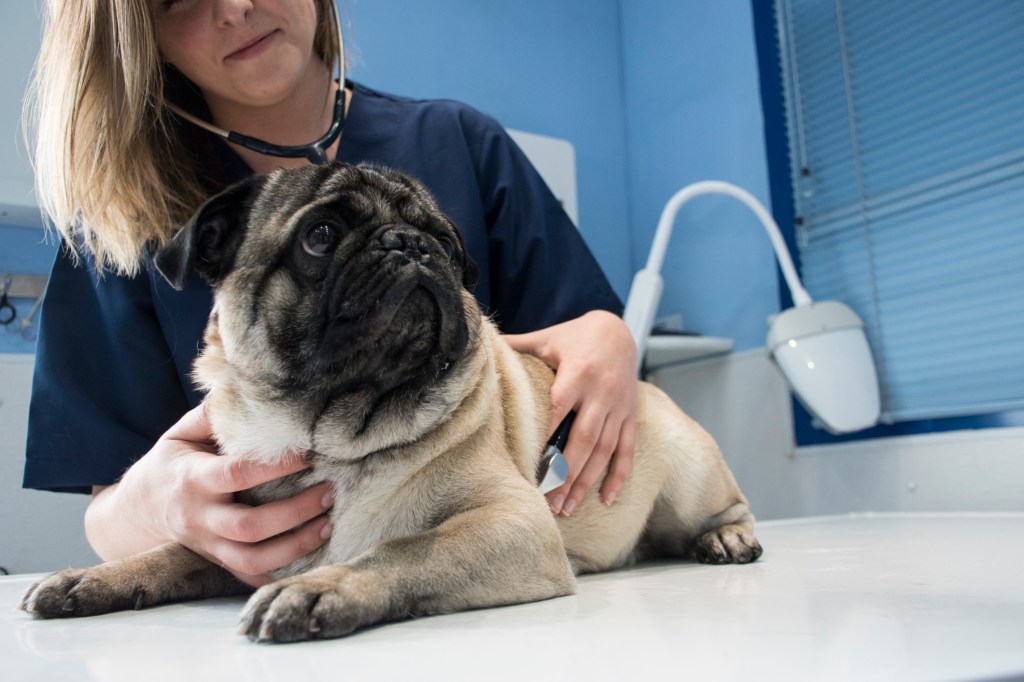
Puppies are especially vulnerable and are most at risk for death, so it's doubly important to have them vaccinated. It will be a routine part of a first visit to the vet, if the dog is at least five or six weeks old.

Causes

Dogs that are infected with canine distemper virus are highly infectious. The virus is present in all body secretions, primarily as airborne particles from breathing, making it easy for an untreated dog to become infected. It appears most often in puppies between six and 12 weeks old who haven't been vaccinated, since the protective antibodies they received from their mother eventually fall to a level too low to prevent infection. Other dogs aren't the only threat--distemper is common in the wild, so many raccoons, foxes, and skunks are infected. Coming into contact with the droppings of these animals can easily spread the disease.

When it's time to see a vet

Initially, symptoms may be mild. As the disease progresses, it attacks the brain, and symptoms become neurological. If you notice any of these, it's time to take your dog to the vet, no matter what his age.

First Stage:

  • Fever of 103 to 109 (remember, a dog's normal temperature ranges between 100.5 and 102.5 degrees)
  • Watery discharge from the eyes and nose
  • Depression and listlessness
  • Loss of appetite
  • Thick, yellow discharge from eyes and nose
  • Dry cough
  • Pus blisters on the abdomen
  • Vomiting
  • Diarrhea

Second Stage:

  • Slobbering
  • Head shaking
  • Chewing jaw motions
  • Seizure-like symptoms, such as falling over, kicking feet uncontrollably
  • Apparent blindness
  • Confusion
  • Rhythmic muscle jerking (usually affecting the neck and head), first occurring at a rate of about 60 per minute when resting or sleeping, and later possibly all the time
  • Thick, horny skin on the nose and callus-like pads on the feet

What's next

Distemper can't be cured. Dogs who've progressed to the second stage are at a much higher risk for death than if it's caught earlier and treated. Treatment can help the dog's immune system better mount a response, or it may lesson the symptoms. Your vet may prescribe:

  • Antibiotics. These aim to prevent a secondary infection.
  • Intravenous fluids. These attempt to address dehydration.
  • Other prescription medicines. These may control diarrhea, vomiting, or seizures.

The success of these treatments is largely dependent on the age of the dog, how quickly you seek help, the distemper strain (like the flu, there are different strains, but the vaccine is effective against all of them), and whether your dog has been vaccinated--yes, it's possible, although rare, for a vaccinated dog to become infected.

Some dogs recover on their own, but owners should never take a wait-and-see approach with this disease. However, distemper is similar to the measles: If your dog recovers, he'll be naturally immune to a second attack, and he's no longer contagious.

Prevention

No dog should die of distemper. Have your puppy vaccinated; most vets recommend doing so at five or six weeks, or shortly after weaning. (Make sure it's done before you bring a new puppy home to meet your other dogs.) If you've adopted a dog, ask the facility if they give a distemper vaccine--they should. And remember that vaccines provide long-lasting but not permanent immunity. Your dog should receive an annual vaccine to be sure he's protected.


Ad
Dear Labby


dogtime tip

No matter where you get your dog, distemper is a risk. It's common to think, "My dog is from a top-notch breeder, so he's safe." Get your dog vaccinated on schedule and put to rest one worry that shouldn't burden any dog owner.


Comments

AvatarI'm really thankful that my parents are responsible and loving dog-owners. I learned from them how important these vaccinations are to every dog. That's why part of being responsible is to consider the financial responsibility that goes with owning a dog --from supplies down to health requirements-- it really involves a good amount of value to have all these covered.” — eve.macnamara, Jan 21 2009

Add a comment


newest topics:
Health
Subscribe to Health 176 topics, 651 posts
Button_topic_start topics replies views last post
Treating heart failure

My dog (Cocker Spaniel, 13 years old) has been diagnosed with congestive heart failure. This diagnosis was established ba... (continued)

6 83 15 hours ago by Amy
view
my dog has some sort of infection

she has an infection near her rear its red and has a couple of blisters, i amvery worried about her i have no way to get her to a vet please help

4 83 1 day ago by Linda
view
Does anyone know of organizations that may help with vet bills

I have 3 beautiful children and they are my children. However, since I have been on disability, I have not been able to g... (continued)

3 299 Nov 8, 2009 9:04pm by Purple.twili...
view
Gassy dog

Hi my 15 year old Plott hound has always had gas when she ate something she shouldn't have but we have been watching her ... (continued)

3 269 Nov 5, 2009 9:47pm by kalli
view
Welcome! | 11/20/09
Please Login or Sign up
Ad
dog photos