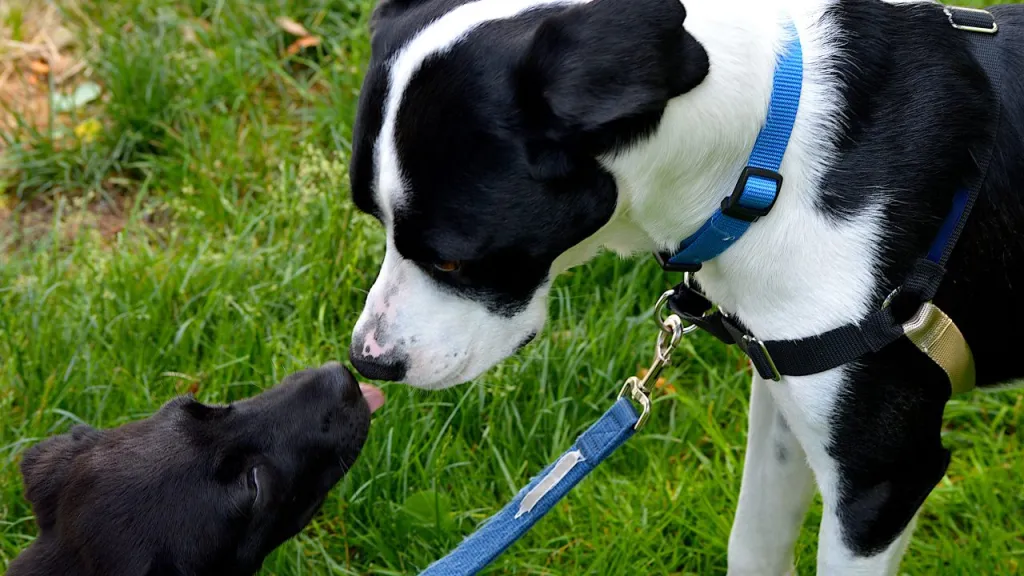
Bringing home a second dog or puppy can be a stressful situation for everyone involved. While the initial meeting is important, there are many steps you can take to help ease the transition, even if both pets don’t get along at first. By taking a few precautions, knowing some canine body language, and giving both pets breaks when they need it, you can help your new dog become a beloved member of the family. Here’s how to prepare for a second dog and how to introduce your dog to a new furry family member.
How to choose your second dog
Before you prepare a second dog into your home, it’s best to consider what type of dog you want to add in relation to your current dog. Dogs may live well in groups, that doesn’t mean two dogs will necessarily get along.
It’s recommended that both dogs are roughly the same size, so that one isn’t able to overwhelm or accidentally hurt the other. It’s also important to consider their temperament and overall activity level, making sure that one doesn’t play rougher than the other, according to the American Veterinary Society of Animal Behavior.
Some dogs have different needs when it comes to personal space, so while it might seem as though it would be good to give your first dog a friend, there are some dogs that would prefer being the only dog instead. Optimally, the age difference between both dogs shouldn’t be too far apart. The sex of the dogs should be considered as well, with VCA Hospitals advising that a male and female pair is best (it notes that the most serious cases of aggressive behavior are between two females).
If you’re thinking about bringing home a second dog, one tip is to go on a trial run by fostering a dog from a local shelter. Not only will this help socialize the second dog and give it a temporary home, but you can see whether it is compatible with your current dog for several weeks. And if it is, you can usually choose to adopt the second dog.
Tips on preparing your second dog before the first meeting

Before introducing your new puppy or dog, you can prepare by taking away all items your resident dog might feel protective of. This can help avoid disputes over resource items, such as food, toys, treats, and bedding. Even if your dog is fine with other family members or even the family cat going near him or her, the dog may become possessive when a new dog is around. Once your dogs are more comfortable with each other, you can gradually reintroduce these items.
For bedding and food dishes, setting up multiple stations in different rooms can help as your dogs get comfortable. This gives each dog a designated spot without being bothered, which can lower overall stress.
Choose neutral ground between your dog and the second dog
If you’re able, introduce your new dog to your current dog in a neutral space. Good spaces include the local park, the sidewalk outside your home, or even the shelter before you bring your new pup home. This can help avoid disputes over territory and contested items, and gives the dogs a chance to interact under supervision. It’s also a good idea to avoid meetings through fences or other barriers, as barrier aggression can sometimes manifest in otherwise dog-friendly dogs.
Be sure there is another person to handle one of the dogs. Each of you should bring a dog separately to the meeting place. Start by letting the dogs sniff around the general area near each other without interaction. If they’re both calm, you can then have them meet. Once the dogs meet, give them a few seconds to sniff and check each other out. If you notice any signs of distress, such as low growling, snarling, or stiff bodies, take a break. After the dogs have had a chance to calm down, you can try again.
If you have several dogs, introduce each separately before allowing them to meet together. Two grown dogs may go through an extensive ritual of posturing, sniffing, playing, or even urinating. After this, one or both may simply choose to pay no attention to the other. At the end of the introduction, bring your dogs on your normal walk to help get out any remaining excitement.
How to introduce the second dog to your home

After the initial introduction and walk, you can bring both dogs home. If they got along well at the neutral ground, let them off leash in a yard or fenced area if possible. After a while, the dogs will be ready to come inside.
Your new dog or puppy should be left on their lead and allowed to explore the house room by room. If the first dog seems comfortable and accepting, you can set the new dog loose. For the first few weeks, always watch the interactions between the dogs. Do not leave them alone together until you are sure they are comfortable with each other. If you can’t be around to monitor them, crating both dogs or placing them in separate gated rooms can help avoid any scuffles.
It’s best to start your second dog on the same routine as your resident dog. This can help prevent disruptions for your current dog, while helping your new dog settle in. And remember, while it’s great if the dogs become fond of one another, don’t forget to spend time with each of them apart from the other!
Extra advice for bringing home a second dog
Always introduce both dogs on leash — even puppies. Holding a small puppy or dog in your arms may cause extra stress if the puppy can’t get away from your larger dog. It’s also a good idea to give both dogs a break if your older dog begins to bully or play too rough with your new dog.
Feed both dogs separately in their own bowls and under supervision. This can help avoid disputes over food. It also gives you the chance to observe that one dog doesn’t bully the other or steal their meal. If one dog finishes first, move them to a separate room until your second dog has finished eating. It’s also important that each dog has its own crate. Crating dogs together, even littermates or best friends, can lead to extra stress and a potential fight.
What to do if your two dogs fight
Sometimes a fight breaks out, even when you’ve taken all of the above precautions. This can be a scary prospect. It isn’t unusual for pet parents to be bitten, even by their own dogs, while trying to separate fighting animals. If a fight does break out, be sure to take safety precautions when separating the pups.
That said, well-tempered dogs should not snap or bite their owners in the first place. If your first dog has shown aggressive behavior toward you or other dogs in the past and this hasn’t improved through increased exposure, training, or appointments with a behaviorist, then bringing a second dog into your home is not advisable.
If you have an object available that can block the dogs during a fight, such as an umbrella or a pillow, try to put it between them. If the dogs are on leads, pull them apart, being careful not to cause further injury as some dogs will react to a tightening leash by biting down harder. It is also for this reason that you should avoid hitting the dogs with a stick or weapon.
Using a water hose, an air horn, or one of many sprays available at pet supply stores may also be effective. If the dogs are off-leash, grab one of them by the hind legs and lift. The feeling of being up off the ground can distract the dog from the fight. Always use these tactics with caution for yourself and others in the area. If possible, two people working together are better than one alone.
It’s important to take care when introducing any new pet to a household. And, if problems arise, speaking with a local trainer or behaviorist is best. Want to know more about bringing a new pet home? Check out some dog training basics. Or, learn how to avoid these common mistakes new dog owners make.