Training your dog to come should be as easy as, “Rover, come on over!” And sometimes it is, at least with puppies. Brand-new pups will approach anything with a pulse. Other dogs, however, will need more training to learn the “come” command. We’ll show you how to help your dog learn this crucial command.
Training your dog to “come” with praise
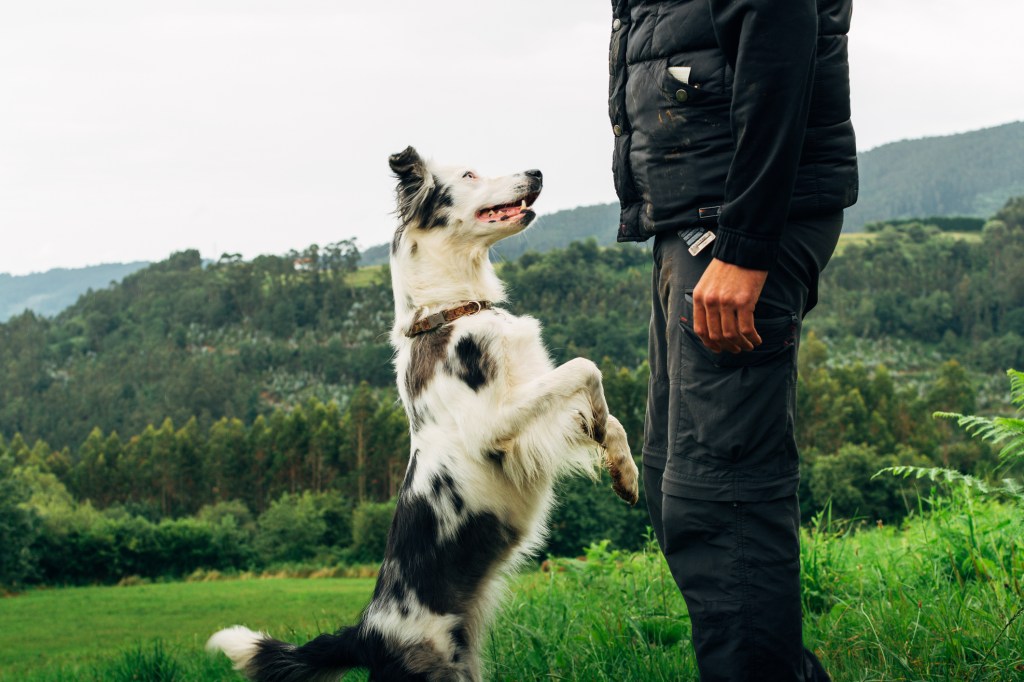
Praising your pup when they do what you ask is common sense. During early training, it is important to praise your pup all the time they approach. However, do not think of puppy recall as an all-or-none response. Instead, reward your puppy’s first step towards you, and then continue to reward the pup all the time it approaches.
At some time in your puppy’s life, they will: 1) start towards you but run off when they sees a distraction, 2) run off when you reach for their collar and 3) not even bother to come at all.
Later on in training, you can reprimand the pup if they try to run off, but punishing the pup during early training will decrease the likelihood of coming when called. Also, it would be unfair to reprimand the pup for doing something wrong if you didn’t previously praise the pup for doing what is right. So, praise your puppy all the time it is headed in your direction.
If the pup does not come or if it reverses direction mid-recall, immediately get the pup’s attention by shouting their name, and then quickly run away from the pup. Immediately begin praising your pup as soon as they head towards you again.
Using treats to teach the “come” command
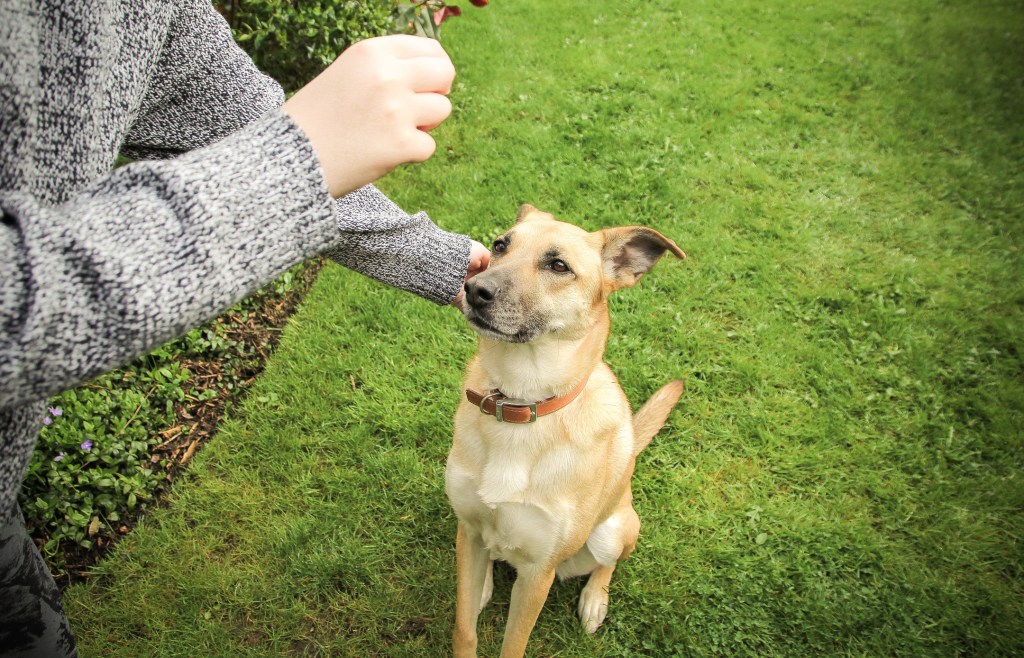
Why give your puppy a treat? Well, eventually, recall should be an all-or-nothing response. The food treat is a special reward for your pup once they obey. If you give your pup a treat immediately after taking hold of their collar, they will soon anticipate you grabbing their collar. And they will grow to love it!
The wrong way to train
It’s crucial to train your pup before they reach adolescence and start training you! A growing puppy may rebel during training. At first, the pup may duck their head as you reach for their collar. Then, they may approach you but stay an arm’s length away. Next, they’ll play “catch me if you can.” Eventually, your pup won’t come at all. Why? Because you inadvertently trained the pup not to come when called. How? By punishing the dog when it comes.
Never call your dog to punish it! For example, if your dog soiled the house in your absence, it’s too late for punishment now. Your dog will not associate the delayed punishment with the crime, but they will definitely associate the punishment with approaching you! Just put your dog outside while you clean up the mess. And in the future, until you have housetrained your dog, don’t let them have the run of the house when you are not at home. If you do call your dog and punish them, not only will you still have to housetrain your dog, but also you will have to repair your dog’s damaged confidence and retrain them to come when called.
Do not use “come here” as a control command until you have practiced and perfected reliable, integrated recalls. Until then, use “sit” or “down,” which are much simpler commands. Then, say “come here” once you know you have the dog’s attention (because they are sitting). A reliable recall is one of the most difficult commands to maintain, whereas “sit” and “down” are the two easiest.
Never call your dog to confine them. Instead use a place-command, such as: “Go to your crate,” “Go to your mat,” or “Outside.”
Discover more from DogTime
Subscribe to get the latest posts sent to your email.