Diarrhea in dogs is the passing of loose or liquid stool more frequently than usual. Treatment for diarrhea can be simple or more complicated depending on the underlying cause.
Diarrhea symptoms could be related to problems with your dog’s small intestine, large intestine, or other organs. To help your veterinarian determine the cause, be prepared to answer questions about your dog’s diet, habits, and environment, as well as specific details about the diarrhea.
Small intestinal and large intestinal diarrhea have different causes, require different tests to diagnose, and have different forms of treatment. Once your veterinarian has narrowed the list of possible culprits, they can plan for specific tests to determine the exact cause and treatment.
Here is what you should know about the symptoms, causes, and treatments for diarrhea in dogs.
Small Intestinal Diarrhea In Dogs
Symptoms
With small intestinal diarrhea, a dog passes a larger amount of stool with a mild increase in frequency — about three to five bowel movements per day. The pet doesn’t strain or have difficulty passing stool.
Animals with small intestinal disease may also vomit and lose weight. Excess gas production is sometimes present, and you may also hear the rumbling of gas in the belly. If there’s blood in the stool, then it will be digested and black in color.
Causes
- Viruses such as canine distemper, canine parvovirus, and canine coronavirus in young, poorly vaccinated dogs.
- Bacteria such as salmonella, clostridia, or campylobacter — although these same bacteria can be found in the stool of healthy dogs and cats.
- Worms and giardia, mostly in young animals.
- Swallowed objects such as bones and sticks. They may get stuck in the intestine, causing both diarrhea and vomiting, or they may pass through the intestinal tract but damage its lining on the way, causing diarrhea.
- Dietary indiscretion or a sudden change in diet; diarrhea may or may not be accompanied by vomiting.
- Food allergies. Other symptoms can include vomiting or itchy skin.
- Toxins including lead and insecticides; diarrhea is usually accompanied by vomiting.
- Inflammatory bowel disease (IBD). The cause of IBD is not known but is suspected to be an allergic reaction to components of food, bacteria, or parasites. IBD can be congenital in some breeds of dogs, such as the Basenji.
- Tumors of the intestine, usually in older dogs.
- Fungal infections such as histoplasmosis, in certain parts of the country.
Diagnosis
Veterinarians may determine the cause of small intestinal diarrhea from blood tests, examination of the stool, x-rays, ultrasound of the abdomen, or by endoscopy.
Endoscopy involves passing a flexible scope through the stomach into the upper intestine. A veterinarian can take small biopsies of the lining of the intestine for microscopic evaluation. Endoscopy requires general anesthesia.
An endoscopy may miss a diagnosis of intestinal lymphosarcoma, as the biopsies taken don’t include the full thickness of the intestinal wall, and the cancerous cells may lie deep in the wall. In that case, the vet will need to perform surgery and take a larger biopsy of the entire thickness of the intestinal wall to make a diagnosis.
Treatment Of Small Intestinal Diarrhea In Dogs
Treatment for acute (short-term) small intestinal diarrhea usually involves withholding food, but not water, for 24 to 48 hours. If diarrhea stops, dogs can have small amounts of a bland, low-fat food three to six times daily for a few days, with a gradual increase in the amount and a slow transition back to the pet’s normal diet.
Special diets usually contain rice, which is more digestible than other grains.
Don’t give your dog over-the-counter diarrhea medications without first consulting a veterinarian. If your dog is active, not dehydrated, and has been previously healthy, acute diarrhea can often be managed at home.
If the diarrhea is accompanied by other symptoms such as depression, or it continues for more than a few days, take your dog to a veterinarian.
Large Intestinal Diarrhea In Dogs
Symptoms
Disease of the large intestine, including the colon and rectum, cause the pet to pass small amounts of loose stool very often, usually more than five times daily. The pet strains to pass stool, and if there’s blood in the stool, it will be red and possibly slimy with mucus.
The pet doesn’t usually vomit or lose weight with large bowel diarrhea.
Causes
- Whipworms
- Polyps
- Inflammatory bowel disease (IBD)
- Colonic ulcers
- Colonic cancer
- Stress, especially in excitable dogs
Diagnosis
Veterinarians also make the diagnosis of large intestinal diarrhea by blood tests and examination of the stool. A rectal examination using a gloved finger may provide some information about whether rectal polyps or rectal cancer are present.
The veterinarian will perform an endoscopy to examine the large intestine using a rigid or flexible scope passed up the rectum. Because the rectum is often very irritated, colon exams are usually performed under general anesthesia.
Treatment Of Large Intestinal Diarrhea In Dogs
The treatment may be based on a specific diagnosis.
Non-specific treatments often include a high fiber diet and sulfasalazine, an anti-inflammatory drug.
Diarrhea In Dogs From Outside Of The Intestines
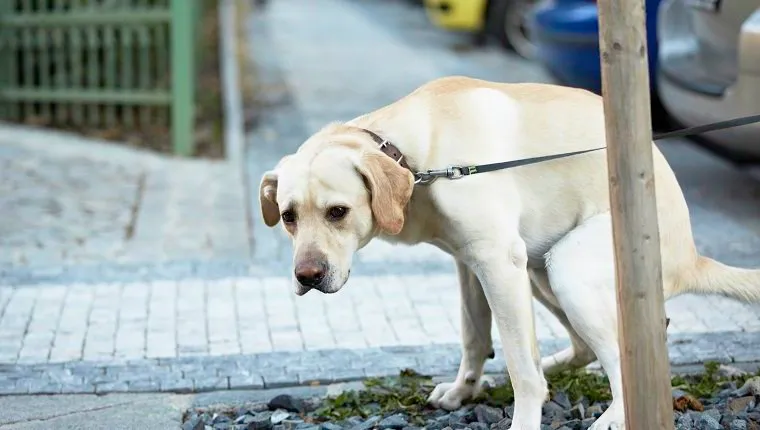
Diseases outside the intestinal tract that may cause diarrhea include kidney failure, liver failure, and pancreatic disease.
Severe inflammation of the pancreas, known as pancreatitis, can lead to damage of the pancreas and an inability to make enough enzymes to digest fat. This is called pancreatic insufficiency and causes diarrhea with a large amount of greasy stool. Pancreatic insufficiency can occur in young animals due to a congenital deficiency of pancreatic enzymes.
Discover more from DogTime
Subscribe to get the latest posts sent to your email.