We bring our dogs into our lives and homes, and we cherish and love them. We spend hours talking to them, making them the non-judgmental repository of all our secret hopes and fears. And we trust them implicitly to never let us down.
What more could we possibly want? Well, more time with them is the first thing that springs to mind.
Our dogs have much shorter life spans than we do, so almost every dog lover has had to say goodbye to a beloved pet at some point in their lives. While it’s not easy to say goodbye, knowing what to expect, and realizing that support is available should you need it, will help you during your time of grief.
The Five Stages Of Grief
You may have heard of the five stages of grief. They’re common stages that people go through when they’ve suffered a loss, and they can be helpful to know about as you navigate your own journey to acceptance.
But each person experiences the stages of grief at varying levels of intensity, for varying lengths of time, and sometimes in a different order. Some people even skip certain steps, and some of the stages converge and overlap with each other.
No matter how you experience the mourning, it’s important to remember that your feelings are completely normal.
Denial
People enter the denial stage in an attempt to escape the painful reality of their dog’s death.
For example, sometimes you’re certain that you heard your dog’s tags jingle on their collar or you feel them next to you. Some people swear that their dog is wandering outside, especially people who do not see their dog’s body after they’ve passed.
This denial is normal — a way to try and have everything remain the same. But if allowed to linger too long, you run a real chance of being overwhelmed by painful feelings of loss when you’re not prepared for them.
Anger
Anger is, like denial, a way to focus the hurt and pain you’re feeling.
Human nature compels us to find someone or something to blame when we’re hurt or sad. It’s difficult to accept that suffering is a part of life. So we look for a scapegoat to blame.
Our dogs can end up as the scapegoats because we may feel angry with them for leaving us. Anger can also be directed at ourselves or toward a loved one, especially when we feel that the death could have been avoided. Your veterinarian is another convenient target for anger because they euthanized your dog.
People often blame themselves for their dogs’ deaths, obsessively wondering if something could have been done to save them. Could they have fed them a better diet or given them more exercise?
Other people beat themselves up wishing they had spent more quality time with their dogs.
Try to remember that getting angry at yourself does no one any good, and it won’t change anything that has already happened. There’s no point in feeling guilty about things you wish you had done now that your dog is gone.
Although anger is a normal step in the grief process, we have to get over it and remind ourselves that no one is at fault. Death is simply an unavoidable and unhappy fact of life.
You’ll feel better if you try to accept the things you cannot change and move on with your life.
Bargaining
In this stage of grief, one might make a wish or prayer that their loved one will heal or even come back to them after death in exchange for an offering.
For example, one might speak to the universe or a deity and say, “Please bring back my dog. I promise I will be a better person and a better pet parent from now on!”
People in this stage may even offer money or goods to change things. They may offer a veterinarian more money to save a terminally ill dog, for instance, even when there is no hope of recovery.
Those in the bargaining stage desperately reach for some control over the source of their grief. They may appeal to a sense of fairness in the world, offering anything in exchange for relief from the pain of loss.
Again, there are some things that just cannot change, despite how desperately we want them to. No amount of money, good behavior, or offerings can change the fact that death is an unavoidable part of life, even though it may seem unfair.
Depression
It is completely understandable and normal to withdraw and feel lost and confused at the death of a loved one. Many people lose their appetites and find that taking care of the simplest matter is a chore.
Depression has been likened to a steep downhill slope; once you’ve started down, it’s difficult to stop and return to normal.
The death of a cherished dog can release a veritable avalanche of unrelated feelings and repressed emotions that make your depression worse.
For many people, their dog was the one thing they could count on, even when everything else in their world was in chaos. Dogs offer us unconditional love and support, and when they die, our source of strength can be removed, and we fall into a state of depression.
Acceptance
Accepting that your cherished dog is gone forever is hard to do. The road to acceptance is long, but there are many people willing to help along the way and things you can do for yourself the make the traveling easier.
Allowing yourself time to mourn is very important.
Many people cannot understand how someone could love an animal so much and, thus, can’t understand how you could be so upset when your dog dies. But as long as you realize the important role your dog played in your life, that’s all that matters.
Cherish your memories of the good times — and the sad times. Talk about your dog with friends and family, recalling special moments. Although painful at first, you will find that it helps you focus on the good things and move beyond the pain.
If you want support during this time, there’s a vast network of resources available in your family and friends, your church or place of worship, or with grief counselors. There are plenty of grief management groups on the internet.
Talking to someone who understands your feelings is an immense help. Any of these things, or perhaps a combination of several of them, will help you accept your loss and find ways to move on.
Easing & Coping With The Pain
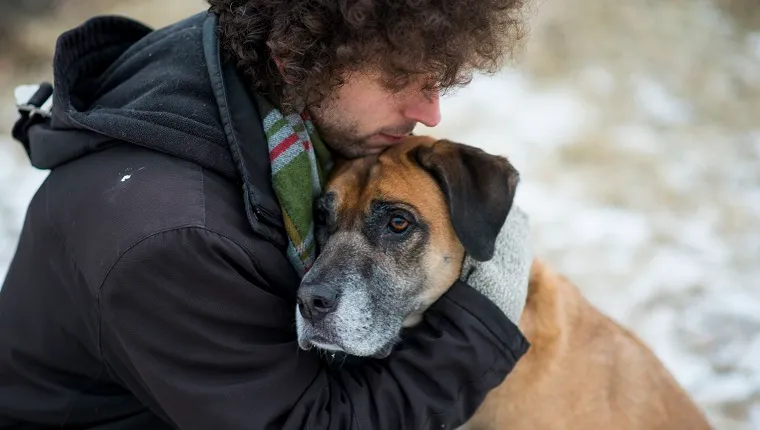
Nothing can take away your sense of loss, but there are some coping strategies you can employ that will help you move through the stages of grief and finally reach acceptance.
Choose what works best for you.
- If you had a routine you followed in the care of your dog, change your schedule. Try to find another activity to fill up the time that was normally spent with your dog. Find something that will engross you and keep your mind occupied.
- Move your household furnishings around. If your dog had a favorite spot to sleep and you get distressed when you pass by and they’re not there, it might help to rearrange the room temporarily.
- Create a memorial for your special canine. You don’t have to set up anything elaborate or expensive — maybe just put out a few favorite photos or plant a tree in the park where they loved to run. You could create a special memorial page for them in your photo album. Another good choice is to donate money to a local animal rescue group in your dog’s name.
- Write a letter to your dog, summing up all your feelings for them. Tell them everything you want them to know and everything you wished you had done during their lifetime. This is a wonderful way to put your grief behind you.
Have you ever dealt with the painful loss of a beloved pet? How did you cope and finally accept what happened? Let us know in the comments below.
Discover more from DogTime
Subscribe to get the latest posts sent to your email.