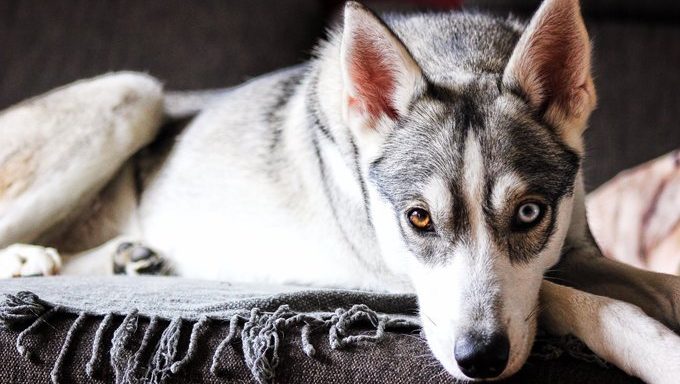
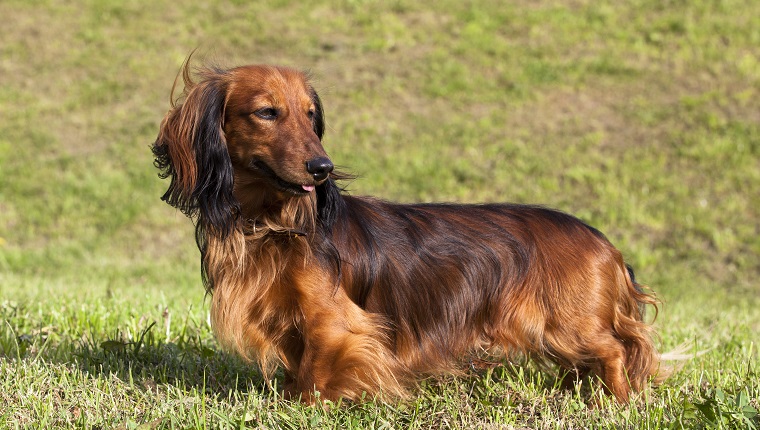
You can tell a lot about the general health of your dog by taking a good look at their coat and skin. A healthy dog is a beautiful dog, and a coat that’s nice and shiny is a strong indicator that your pet’s in peak condition.
How do you know if your dog’s coat is in good shape? Just use your senses.
- A healthy coat should feel pliable and smooth, even the wiry pelts of dogs like Terriers. If the texture’s dry or coarse, or if the hair’s brittle and broken — yes, dogs get split ends too — then you need to take action.
- A healthy coat looks good, too. Think about it the same way you think about your own hair: you want your pet’s coat to be shiny and lustrous, bouncy and resilient, not limp or bristly or dull.
- The coat should smell good, even when it hasn’t just been washed. In fact, if their coat is dry and well cared for, and you’re washing them about once a month or so, your dog shouldn’t smell bad at all. A rancid, oily, or sour odor signals that bacteria are breaking down the skin’s natural protective oils. Your dog may be suffering from flea bites, hot spots, or very dry skin.
What Keeps The Coat Healthy
The single most important factor in growing a gorgeous coat is good nutrition, or a diet rich in fatty acids and meat, poultry, or fish.
This means that, if you’re buying dog food, the label on the package should list some kind of meat (beef, lamb), poultry (chicken), or fish as the first and most dominant ingredient — not corn, wheat, barley, or rice.
For extra shine, some nutritionists also recommend mixing a teaspoonful of vegetable or fish oil into your dog’s food once or twice a day. Ask your vet for recommendations.
Grooming is another way to improve your dog’s coat health. Regular brushing with a soft-bristled brush can help keep keep your dog’s fur clean and glossy.
Practicing good flea control is also very helpful, so stick to a schedule of applying flea prevention product — common veterinarian suggestions include Frontline, Advantage, or Revolution — every month.
Dietary supplements may or may not help. If you think your dog’s coat isn’t all it should be, try switching foods first. If that doesn’t work, a vet may be able to help you decide whether it makes sense to feed your dog omega-3s, or some other type of essential fatty acids supplement.
These healthy fats can help your dog. But be aware it will be a matter of weeks or months before you’ll be able to notice any significant improvement.
Hot Spots
Any dog with matted or dirty hair or a naturally thick coat may be more prone to hot spots — a bacterial infection officially called pyrotraumatic dermatitis, or moist eczema.
Hot spots begin as infected bites or scratches, and as the infection spreads — very rapidly — hair falls out, pus forms, and the area begins to smell awful. The spot is actually warm to the touch.
Hot spots are most common in breeds with thick coats, such as Golden Retrievers, Cocker Spaniels, English Springer Spaniels, and German Shepherds, and they occur more often in the warmer months.
But they can afflict any dog at any time of the year. You can help stay on top of them by taking your dog to the groomer for a trim during the summer.
Shedding

Shedding isn’t necessarily a sign of a problem. Even if you can pluck out clumps of fur, as long as the coat is reasonably dense with no bald spots, your dog’s hair loss is probably normal.
Dogs who spend most of their time outdoors tend to shed mostly during the spring and fall, but indoor dogs shed any time — or all the time.
It’s not entirely clear what triggers shedding; hormones, environmental factors, stress, and poor nutrition probably have something to do with it.
But the process of growth, rest, shedding, and regrowth is part of the canine coat life cycle, and it’s perfectly normal. You should not try to interrupt or stop this process. It’s essential for your dog’s health.
Your best strategy for dealing with it is to make sure your vacuum cleaner’s in good working order. You can also brush your dog regularly or take your dog to the groomer to help blow out the coat.
When It’s Time To See The Vet
If you see any of these symptoms, it’s time to visit the vet:
- A significant change in your dog’s coat or skin
- Evidence of parasites
- Open sores
- Hot spots or signs of infection
Most of these conditions can be treated by using either a topical cream, medication, or dietary supplements. Your vet will be able to give you further guidance.
Do you check your dog’s coat regularly to make sure it stays healthy? Do you give your dog any supplements for their coat? Let us know in the comments below!
Discover more from DogTime
Subscribe to get the latest posts sent to your email.