The Basset Fauve de Bretagne dog, originating from France, is an old breed with a unique appearance and historical significance. With a lineage tracing back to the 19th century, these dogs were selectively bred from larger French hounds to create a compact yet robust hunter, specifically tailored for navigating the challenging terrains of Brittany. Known for their keen sense of smell, they were originally employed for hunting small game, showcasing determination and agility in their pursuit.
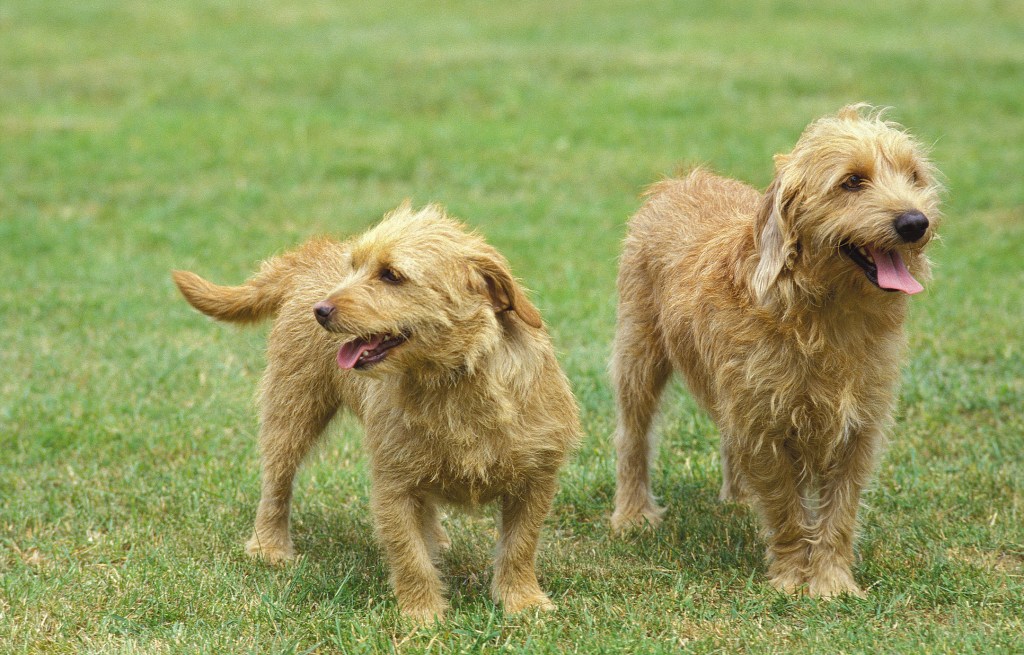
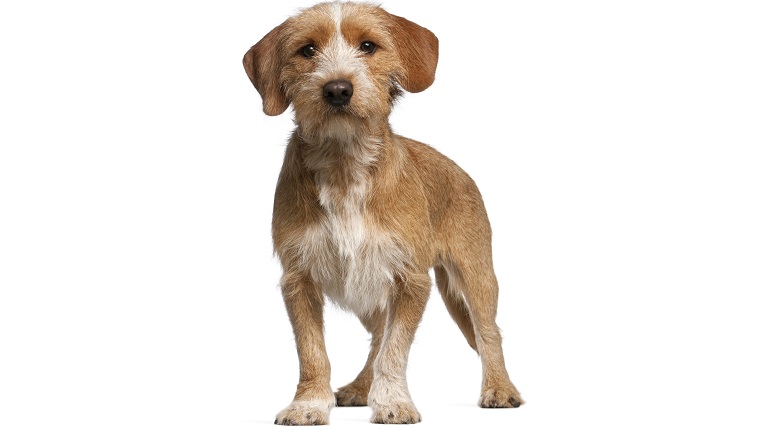
With a wiry, fawn-colored coat and expressive, soulful eyes, Basset Fauve de Bretagne charm both hunters and families alike. Their muscular build and long ears reflect their original purpose as adept hunters. Despite their hunting heritage, these dogs have evolved into versatile companions with an adaptable nature, thriving in various living environments. Today, they bring a rich blend of history, utility, and companionship to their homes.
When considering a Basset Fauve de Bretagne puppy, it’s advisable to prioritize adopting from rescue organizations or shelters to provide a loving home to a dog in need. However, if you decide to purchase, it’s crucial to choose a reputable breeder. Conduct thorough research to ensure that the breeder follows ethical practices and prioritizes the well-being of their dogs. Reputable Basset Fauve de Bretagne puppy breeders prioritize the health and temperament of their dogs, conduct necessary health screenings, and provide a nurturing environment for the puppies. This active approach ensures that you bring home a healthy and happy pup while discouraging unethical breeding practices.
Quick Facts
- Origin: Brittany, France – Developed in the 1800s.
- Size: Small, 12-15 inches tall at the shoulder and 20-35 pounds.
- Lifespan: 12-15 years.
- Coat: Coarse, wiry, and comes in various shades of fawn, wheaten, and red wheaten.
- Temperament: Intelligent, friendly, playful, brave, and active.
- Exercise Needs: Moderate. Daily walks and playtime are essential.
- Training: Early socialization and positive reinforcement training are recommended.
- Grooming: Regular brushing and weekly combing are necessary.
- Health: Generally healthy, but potential for intervertebral disc disease, bowed legs, and eye problems.
- The Basset Fauve de Bretagne descends from a now extinct Grand Fauve de Bretagne, a much larger hound.
- Fawn Colored Brittany Basset is their other name.
- The word basset refers to their low stance, and comes from the French words “bas,” which means low, and “set” which means set.
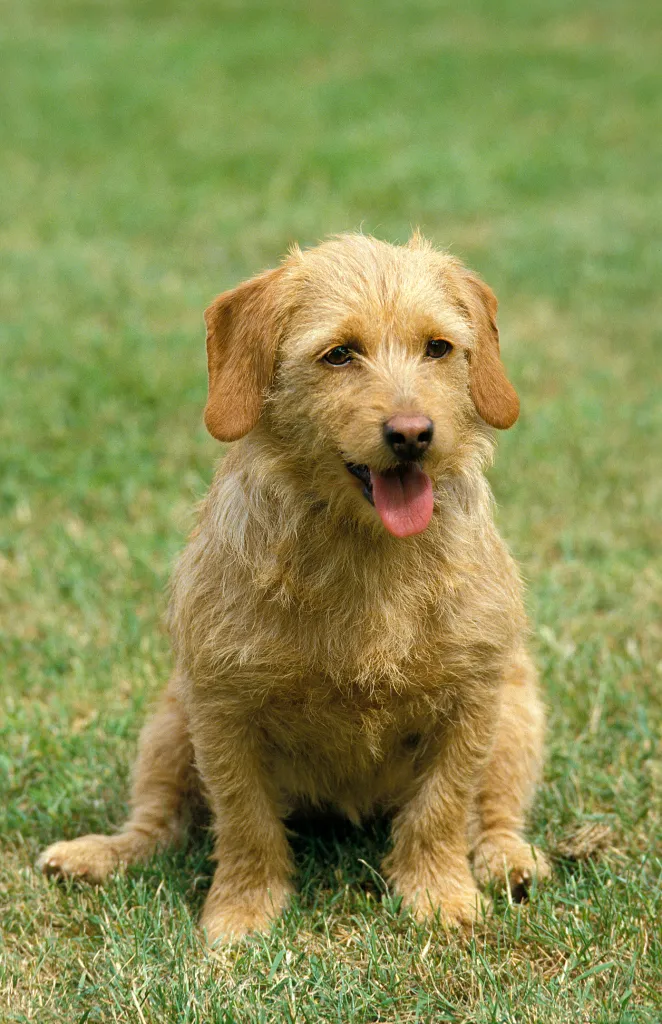
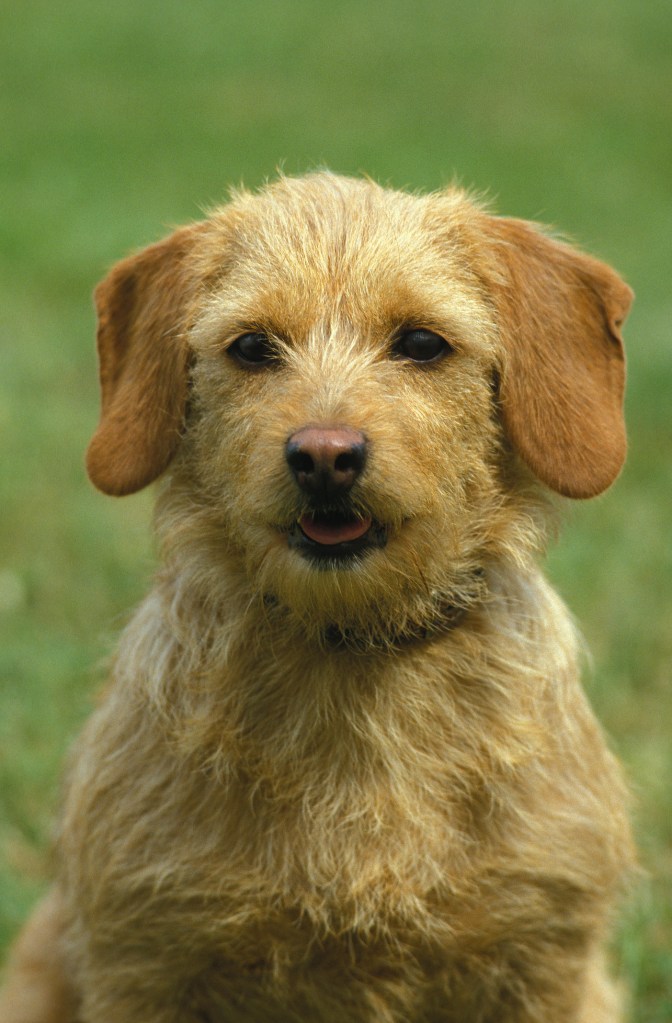
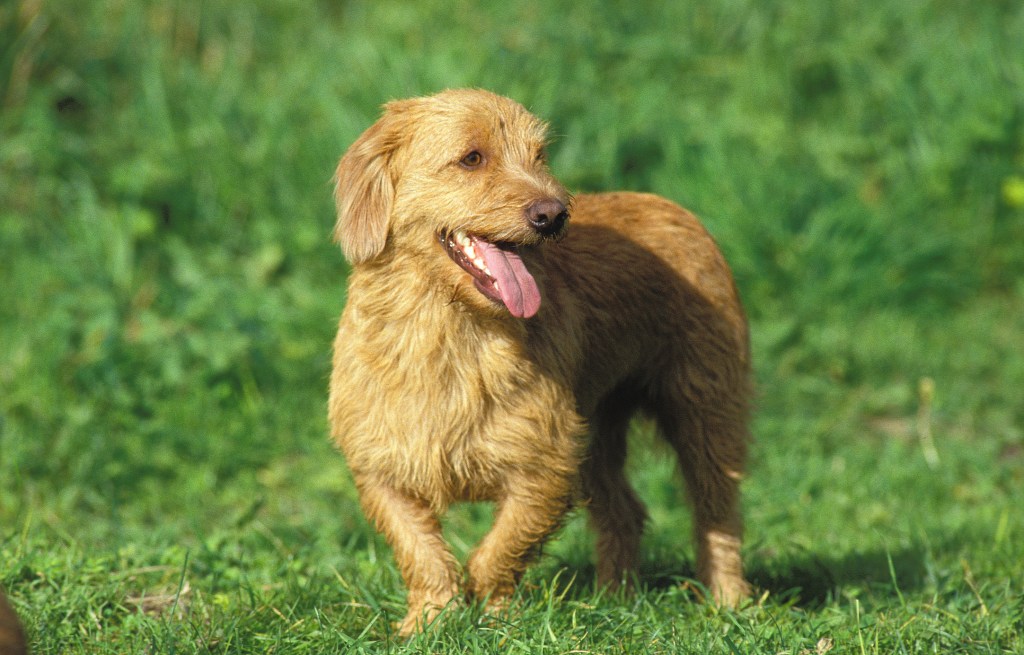
Basset Fauve de Bretagne Pictures

Adaptability
-
Dog Breeds That Adapt Well to Apartment Living
If you’re someone who has been looking for a dog that adapts well to apartment living, you should know that a small space doesn’t necessarily mean that you need a small-breed dog. There are other factors that matter just as much as size, such as a dog’s energy level, exercise requirements, temperament, and more.
There are a few large fur babies that are going to love chilling and taking a nap on the couch when they’ve gotten some activity, while some smaller dogs could have more than enough energy to keep you busy all day long.
We do understand that apartment life gives you a few important things to consider while making this big yet special decision. There are shared walls, hallways, elevators, and other common spaces that automatically make a barking dog not the best roommate for some people. Ideally, we’d suggest a friendly pup that will be able to get comfortable and adapt indoors.
You can take a look at the breeds below to get to know which ones might be a good match for your apartment lifestyle.
Training Tips for Apartment-Friendly Dogs
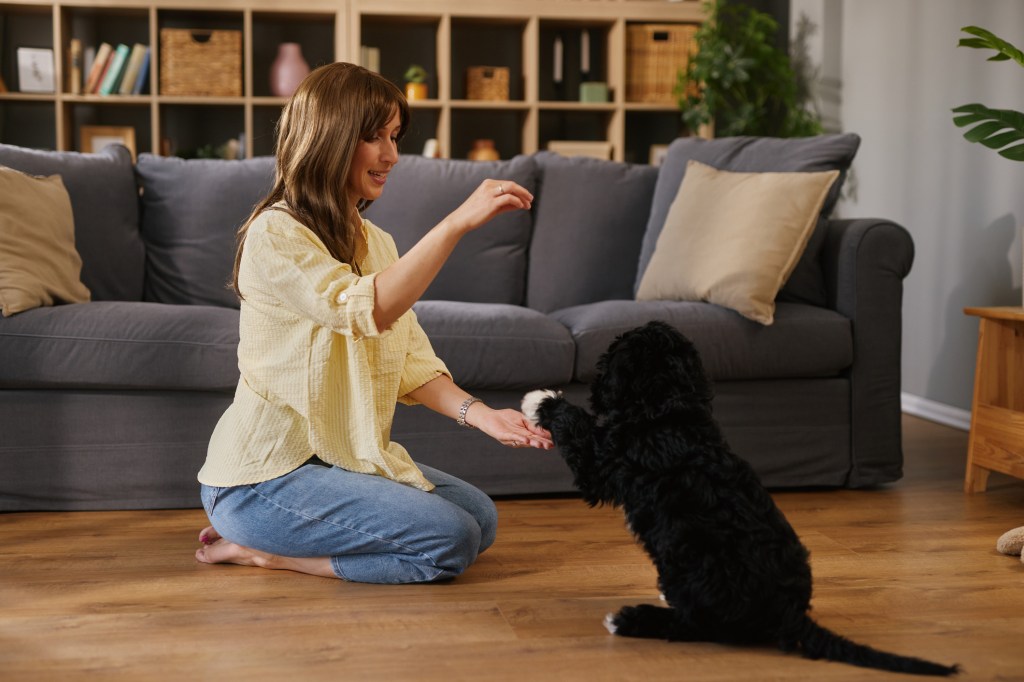
Training your pet can make a huge difference, even if your dog naturally adapts well to apartment living. You can begin with basic commands like “sit”, “stay”, and “come”, not forgetting the most important one – “quiet”. This will come in handy when your four-legged friend hears or spots a neighbor.
Leash training is also important, especially when you’re out in common spaces like hallways or lobbies. Find your dog a nice, comfy spot; this will most probably be where they’re going to hang out when you are away.
With the right routine, exercise, and a good amount of patience, a dog that adapts well to apartment living could work out surprisingly well whether they’re large or small.
If you’re unsure which breeds might not do so well in an apartment, take a look at our list below.
-
Good For Novice Dog Owners
When considering adding a dog to your home, it’s important to acknowledge that some dog breeds may present less of a challenge in terms of training and temperament. These dogs tend to be more adaptable, responsive to training, and resilient, readily overcoming any training hiccups or inconsistencies. As one might expect, these breeds may be good for novice dog owners.
Conversely, certain dogs may pose greater difficulties, particularly for first-time owners. Factors such as heightened sensitivity, independence, energy levels, or assertiveness can contribute to a more demanding ownership experience. Novice dog owners should assess their level of experience and comfort when selecting a new pet, ensuring compatibility with their lifestyle and capabilities for a mutually rewarding relationship.
Tips for first-time or novice dog owners
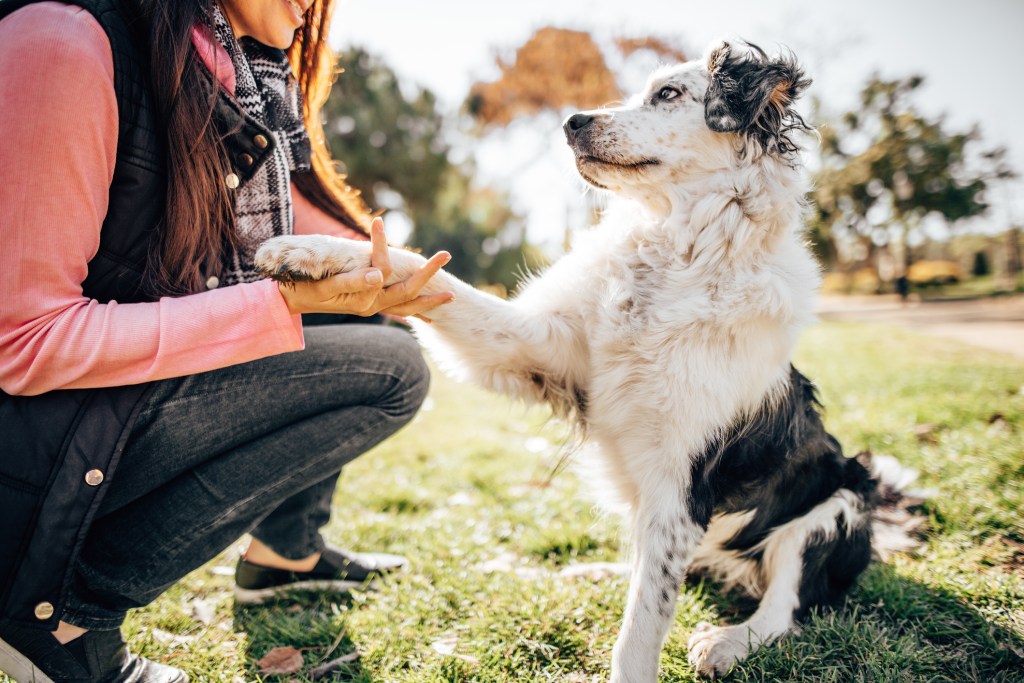
(Photo Credit: franckreporter | Getty Images) For first-time or novice dog owners, pet ownership can be both exciting and daunting. As a bit of advice, research breeds thoroughly before bringing a dog home. Each breed has their unique traits, energy levels, and care requirements. Consider factors such as size, exercise needs, grooming demands, and temperament to find a breed that aligns with your lifestyle and preferences.
Prioritizing training and socialization at an early age is essential. You may want a breed who is more easy to train or perhaps possesses a lower energy level. Establishing clear boundaries and expectations early on lays the foundation for a well-behaved and well-adjusted dog. Basic obedience training such as teaching commands like sit, stay, and come, is crucial for effective communication and building a strong bond with your new best friend. Additionally, exposing your dog to various environments, people, and other animals helps prevent behavioral issues and promotes confidence and adaptability. Consistent care, patience, and love are key ingredients for a fulfilling and rewarding relationship with your dog.
-
Sensitivity Level
Sensitivity levels in dogs vary widely among breeds and individuals. This trait can be determined by how a dog responds to their environment. While some dogs remain unfazed by stern reprimands or surrounding stimuli, others are more sensitive. Even the slightest disapproving glance or the sound of a passing car can affect a sensitive dog. Dogs with a low sensitivity level, also known as “easygoing,” “tolerant,” “resilient,” or “thick-skinned,” are better equipped to handle a bustling household, assertive owners, and unpredictable routines. If you have young children, frequently host social gatherings, engage in noisy activities like playing in a band, or live a busy, unpredictable life, a low sensitivity level dog may be the ideal choice for you.
Highly sensitive dogs are wired differently, with research indicating that their brains process sensory input more deeply. Evolutionarily speaking, scientists theorize high sensitivity levels could aid in survival by functioning as an early warning system, alerting the pack imminent danger. Sensitivity in dogs also includes how they interact with humans and other animals. Some dogs are naturally more sensitive, quickly picking up on subtle cues and changes in their surroundings. Others are more resilient and are able to brush off minor disturbances. Factors such as genetics, early socialization, and life experiences can all contribute to a dog’s sensitivity levels. Highly sensitive dogs may react strongly to loud noises, sudden movements, or changes in routine, while less sensitive dogs may remain calm and composed in similar situations. Being “highly-sensitive” doesn’t always only mean “highly anxious”. Highly-sensitive dogs may also be more empathetic, more affectionate, or serve as better guardians.
Tips for highly-sensitive dogs
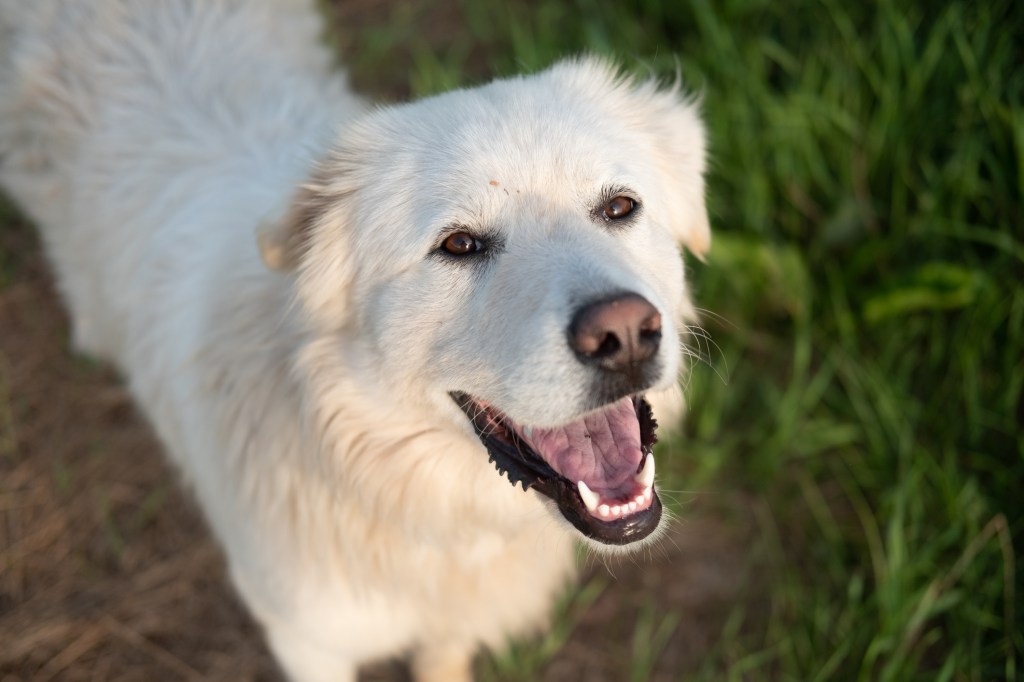
(Photo Credit: Caet Moir | Getty Images) Helping highly sensitive dogs involves creating a calm environment, establishing predictable routines, and using positive reinforcement training techniques. Gradually expose them to new experiences while providing mental stimulation and regular exercise to reduce anxiety and boredom. Monitor their diet and health, offering emotional support and reassurance to help them feel secure and valued.
-
Tolerates Being Alone
Some breeds bond very closely with their family and are more prone to worry or even panic when left alone by their owner. An anxious dog can be very destructive–barking, whining, chewing, and otherwise causing mayhem. These breeds do best when a family member is home during the day or if you can take the dog to work. On the other hand, some breeds are instinctually more independent and easily tolerates being alone.
It’s essential to remember that individual dogs’ tolerance for being alone can vary greatly, depending on factors such as age, temperament, and training. Providing appropriate mental stimulation, toys, and a comfortable environment can help alleviate any potential distress when leaving these breeds alone.
Tips for leaving your dog home alone

(Photo Credit: Eva Blanco | Getty Images) When leaving your dog home alone, it’s essential to create a calm and comfortable environment for them. Even if your dog tolerates being alone, always make sure they have access to their favorite toys, bedding, and water. Consider leaving on soothing background noise, such as calming music or a white noise machine, to help drown out any outside sounds and provide a sense of security.
Before leaving, give your pup an energetic play session or walk to tire them out and alleviate any pent-up energy. Avoid making a big fuss when you leave or return to prevent reinforcing separation anxiety. Additionally, consider providing a special treat or puzzle toy to keep your dog occupied while you’re away, helping to distract them and make their alone time more enjoyable. You may also want to gradually increase the duration of your absences over time.
-
Tolerates Cold Weather
Several dog breeds are naturally equipped to tolerate cold weather and climates, thanks to their thick coats, sturdy builds, and unique adaptations. Some breeds from snowy climates and mountainous regions may immediately come to mind, like the Siberian Husky, Alaskan Malamute, and Bernese Mountain Dog. Renowned for their cold tolerance and ability to excel in snowy environments, these cold-weather breeds not only tolerate freezing temperatures but may be happiest in the chill. Thanks to dense double coats that provide excellent insulation against the cold, they have no trouble adapting when the temperatures drop.
Additionally, these dogs may have a higher body fat percentage have a built-in layer of insulation that helps retain body heat in cold weather. Physical attributes also play a role in cold tolerance, enabling dogs to navigate snowy or icy terrain with ease. Certain breeds may have specialized adaptations, such as furry feet for traction on slippery surfaces or water-resistant coats for protection against moisture and wind chill. Moreover, a dog’s natural instincts, such as seeking shelter or burrowing in the snow for warmth, can further enhance their ability to tolerate cold weather.
Safety tips for cold-weather breeds
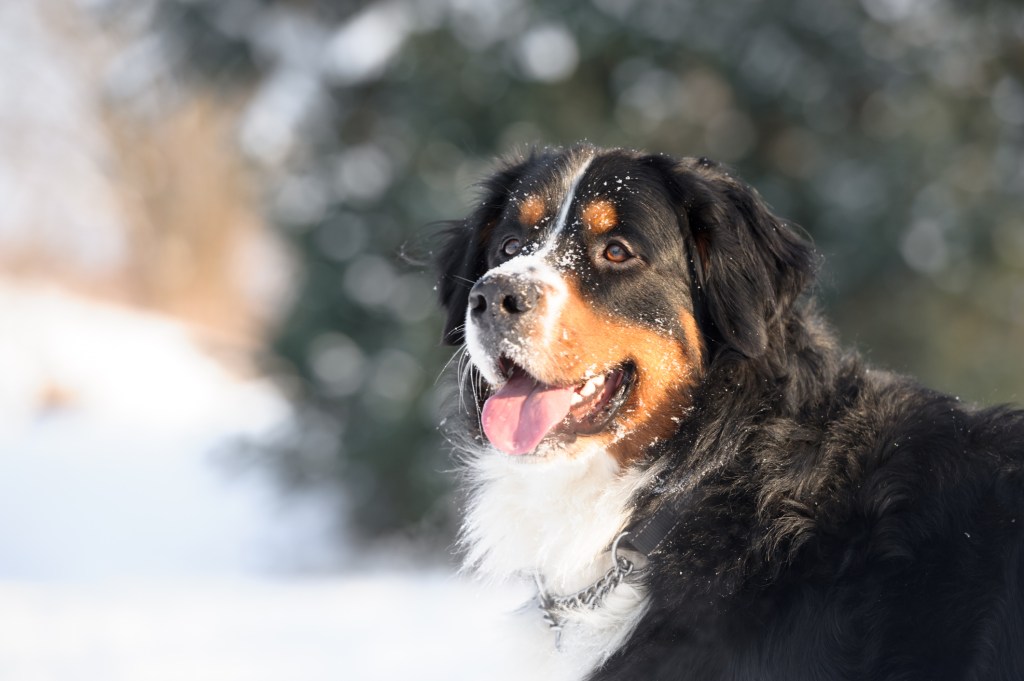
(Photo Credit: cunfek | Getty Images) Although come breeds may easily tolerate cold weather, it’s important to research temperature guidelines for safety. For cold-weather breeds such as the Siberian Husky, Alaskan Malamute, and Samoyed, provide adequate protection and care during cold weather. Ensure they have access to shelter from the elements, such as a well-insulated dog house or a warm indoor space, particularly during extreme weather conditions. Keep outdoor excursions brief and monitor your dog closely for signs of discomfort or frostbite, paying attention to their ears, paw pads, and tail. Consider using protective paw wax or booties to shield their feet from ice and salt. Additionally, adjust their diet to provide extra calories during colder months to support their energy needs.
-
Tolerates Hot Weather
Unlike cold-weather breeds and brachycephalic dogs, certain dog breeds are well-adapted to warmer climate and tolerate hot weather with relative ease. Breeds such as the Chihuahua, Dalmatian, and Basenji have short coats and lean body structures that facilitate heat dissipation, allowing them to stay comfortable in warmer weather. Their minimal fur reduces the risk of overheating, and their efficient panting mechanisms help regulate their body temperature effectively. These breeds often enjoy basking in the sun and participating in outdoor activities even during hot days, although owners should still ensure they have access to shade and water to prevent dehydration.
Moreover, some breeds have evolved in regions with hot climates, equipping them with natural adaptations to thrive in warm weather conditions. These breeds have developed unique features such as hairless or short coats, as well as physiological traits that aid in heat tolerance. Their ability to cope with high temperatures makes them suitable companions for owners living in warm climates, although proper care and attention to hydration and sun protection are still essential to ensure their well-being during hot weather.
Safety tips for hot weather
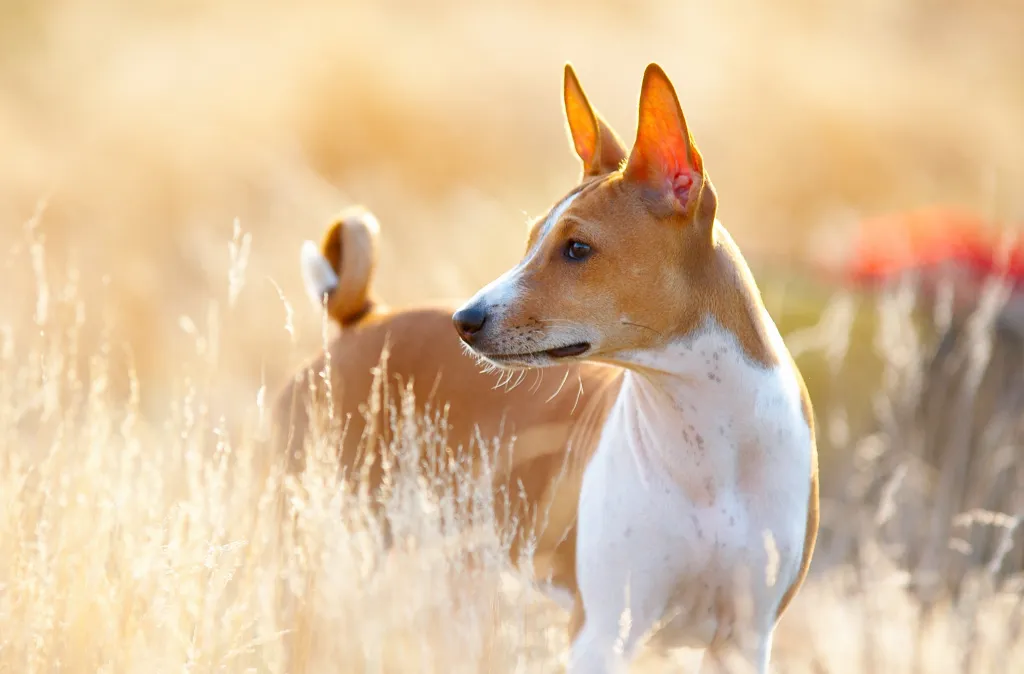
(Photo Credit: Madjuszka | Getty Images) Even if your dog tolerates hot weather, it’s still important to prioritize safety. You can check out guidelines on assessing if the weather is too hot for your dog. Ensure your dog always has access to fresh water, provide shaded areas in your yard or outdoor space, and schedule outdoor activities during cooler times of the day to prevent overheating. Never leave your dog in a parked car, monitor for signs of heat exhaustion, and protect their paws from hot pavement. Consider using pet-safe sunscreen on exposed skin areas and seek veterinary assistance if symptoms persist.
Health And Grooming Needs
-
Shedding
When considering adding a pup into your home, you may want to consider the amount of shedding your furry companion will experience. Regardless of the dog breed, you will want to be prepared for at least some amount of pet hair on your clothing and around your house. Of course, this amount can vary greatly as shedding tendencies differ significantly among breeds. Some dogs shed continuously, especially dog breeds with heavy double-coats or long fur. Others undergo seasonal “blowouts” and some hardly shed at all.
Having a set of grooming tools at your disposal is essential for tending to your dog’s coat. Deshedding tools are excellent for eliminating excess hair that can become trapped in your dog’s fur. There are also brushes designed to gently remove dead hair without causing discomfort to your dog’s skin. Grooming gloves and bathing brushes can aid in loosening dead hair during shampooing, making it easier to brush away. Clippers and a detangling spray effectively tackle matted fur. Additionally, home tools for managing pet hair on fabric and furniture can make a big difference. Pet tape rollers, fur brooms, and specialized vacuums can eliminate pet hair from carpet, clothing, and even furniture.
If you’re someone who values a spotless environment, you might want to opt for a low-shedding breed. Otherwise, equip yourself with the right tools to fight the fur. Concerns about shedding shouldn’t prevent you from relishing your time at home with your dog. Establishing a consistent grooming regimen can significantly minimize the presence of loose hair in your living space and on your clothing. For additional guidance on managing dog shedding, explore our recommendations for addressing excessive shedding and designing your home with your pet (and their shedding tendencies) in mind.
Related:
-
General Health
While most dogs experience good general health, some breeds may be prone to specific health issues. Conditions like hip dysplasia, cancer, or heart conditions can result from poor breeding practices or genetic dispositions. However, it’s important to note that not every dog of a particular breed will necessarily develop these diseases. Rather, they only face an elevated risk compared to other breeds.
When considering adding a dog or puppy to your home, it’s advisable to research the prevalent genetic illnesses associated with the breed you’re interested in adopting. Additionally, it can be beneficial to inquire whether your chosen shelter or rescue organization possesses information regarding the physical health of the potential pup’s parents and other relatives. This knowledge can aid in understanding potential health risks and ensuring the best possible start for your new furry family member.
Recommended Screenings for General Health
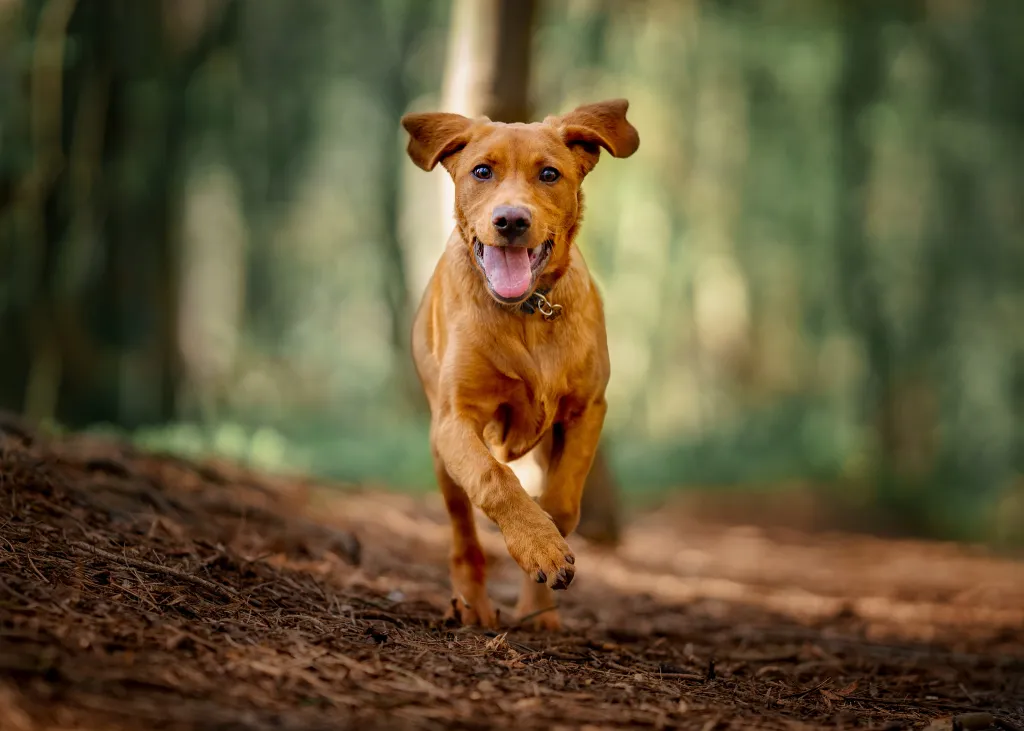
(Photo Credit: Mike Linnane / 500px | Getty Images) The CHIC (Canine Health Information Center), a program created by the Orthopedic Foundation for Animals (OFA), provides a centralized database for canine health information, particularly focusing on orthopedic and genetic conditions. Despite robust general health, they recommend several health screenings for breeds due to potential predispositions to certain conditions. After screening, the CHIC assigns a number to a dog’s test results. It doesn’t indicate normal results, just that all necessary tests were done and results made available. A CHIC report accompanies the number, detailing the tests, the dog’s age during testing, and the results.
The CHIC program adjusts its requirements based on evolving breed health concerns. Existing CHIC numbers aren’t affected if requirements change. This number is also displayed on AKC documents, including Certified Pedigrees, Registration Applications, and Registration Certificates. This record signifies to potential puppy parents and breed enthusiasts that recommended tests have been completed. Although the CHIC database only includes purebred dogs, you can look up a hybrid breed’s parent breeds for potential health considerations.
-
Potential For Weight Gain
Certain dog breeds have a predisposition towards hearty appetites. As a result, they may also be prone to weight gain, similar to humans. Just like in people, obesity in dogs can lead to various health issues. If you opt for a breed prone to packing on pounds, it’s essential to implement strategies to manage their weight effectively. This includes limiting treats, ensuring they receive sufficient exercise, and regulating their daily food intake by serving measured meals instead of leaving food accessible all day.
Consulting with your veterinarian about your dog’s diet is crucial. They can provide valuable insights and recommendations tailored to your pet’s specific needs to help maintain a healthy weight. Weight gain not only poses direct health risks but can also exacerbate existing conditions such as arthritis, leading to further complications if left unchecked. Thus, proactive management of your dog’s weight is integral to their overall well-being and longevity.
Ways to manage weight gain in dogs
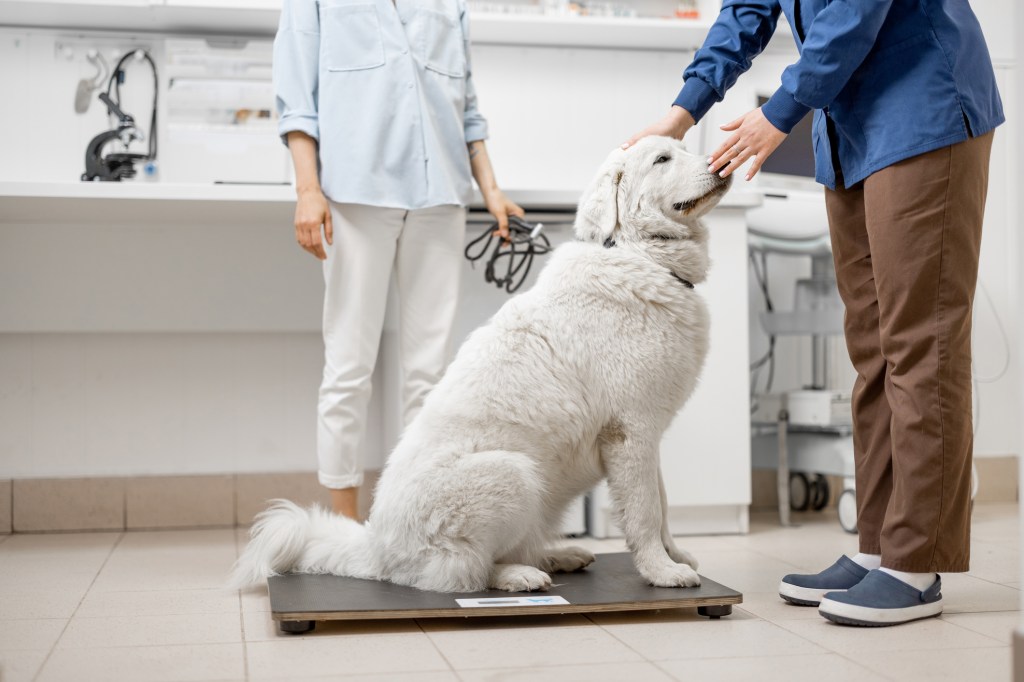
(Photo Credit: RossHelen | Getty Images) To help your dog manage weight gain, start by consulting with your veterinarian to develop a safe and effective weight loss plan tailored to your pet’s individual needs. This may involve adjusting their diet to a lower calorie option or a specialized weight management formula. It may also include measuring their food portions to control calorie intake, and reducing the frequency of treats. Additionally, increasing their physical activity through regular exercise is essential for burning calories and promoting weight loss.
Identifying whether your dog is overweight involves assessing their body condition and observing for signs of excess weight. You can perform a simple visual and tactile evaluation by feeling their ribs and observing their waistline. In a healthy weight dog, you should be able to feel their ribs easily with a slight covering of fat. They should have a noticeable waist when viewed from above. If your dog is overweight, you may observe visible signs such as a lack of a defined waist, a rounded or bulging abdomen, difficulty moving or breathing, or reduced energy levels.
-
Size
Get ready to meet the giants of the doggy world! Large dog breeds aren’t just big balls of fluff, they’re like loving, oversized teddy bears on a mission to steal your heart. Need some convincing? Let’s dive into the awesome benefits of owning one!
First things first, these pooches are a living security system! With their impressive size and thunderous barks, they’ll have any would-be intruder running for the hills. Talk about peace of mind! Plus, who needs an alarm when you’ve got a furry giant protecting your castle?
But that’s not all. Large dog breeds are all about loyalty and devotion. They’ll stick by your side through thick and thin, becoming your most dedicated bestie. Their love knows no bounds! When you have a giant fluffball showing you unconditional love, you’ll feel like the luckiest human on the planet.
Now, let’s talk about their talents. These big fellas are the ultimate working partners. With brains and brawn, they’re up for any challenge. From search and rescue missions to lending a helping paw to those in need, these dogs are superheroes in fur coats. They’ll make you proud every step of the way!
Don’t let their size fool you—these gentle giants have hearts as big as their paws. They’re incredible with kids and other pets, spreading their love like confetti. Their patience and kindness make them perfect family pets, ensuring harmony in your household.
Oh, and get ready to break a sweat! These dogs are fitness enthusiasts, and they’ll keep you on your toes. Daily walks, jogs, and play sessions will not only keep them happy and healthy but will also give you a reason to ditch the couch and join in on the fun. It’s a win-win situation!
So, if you’re ready for a dose of big love, go ahead and consider a large dog breed. They’re the best wing-dog you could ever ask for, ready to make your life a thousand times more exciting, loving, and downright awesome! Get ready for the big adventure of a lifetime!
All-around friendliness
-
Kid-Friendly
If you’re looking for a pup to join your household, you may first want to consider the most kid-friendly dog breeds. A gentle nature, patience, and the sturdiness to handle the heavy-handed pets and hugs children can dish out can be some of the most kid-friendly dog-defining traits. Of course, a pup with a blasé attitude toward running and screaming children would be a bonus.
At first glance, you may be surprised by the most kid-friendly dogs. Fierce-looking Boxers are considered good with children, as are American Staffordshire Terriers, an affectionate Pit Bull breed. Small, delicate, and potentially snappy dogs such as Chihuahuas aren’t always so family-friendly.
It’s important to note all dogs are individuals. Our ratings are generalizations, and they’re not a guarantee of how any breed or individual dog will behave. Dogs from any breed can be good with children based on their past experiences. Additionally, training plays a big role in how dogs will get along with kids. No matter what the breed or breed type, all dogs have strong jaws, pointy teeth, and may bite under stressful circumstances or mishandling. Young children and dogs of any breed should always be supervised by an adult and never left alone without supervision.
How to Know If a Dog is Kid-Friendly
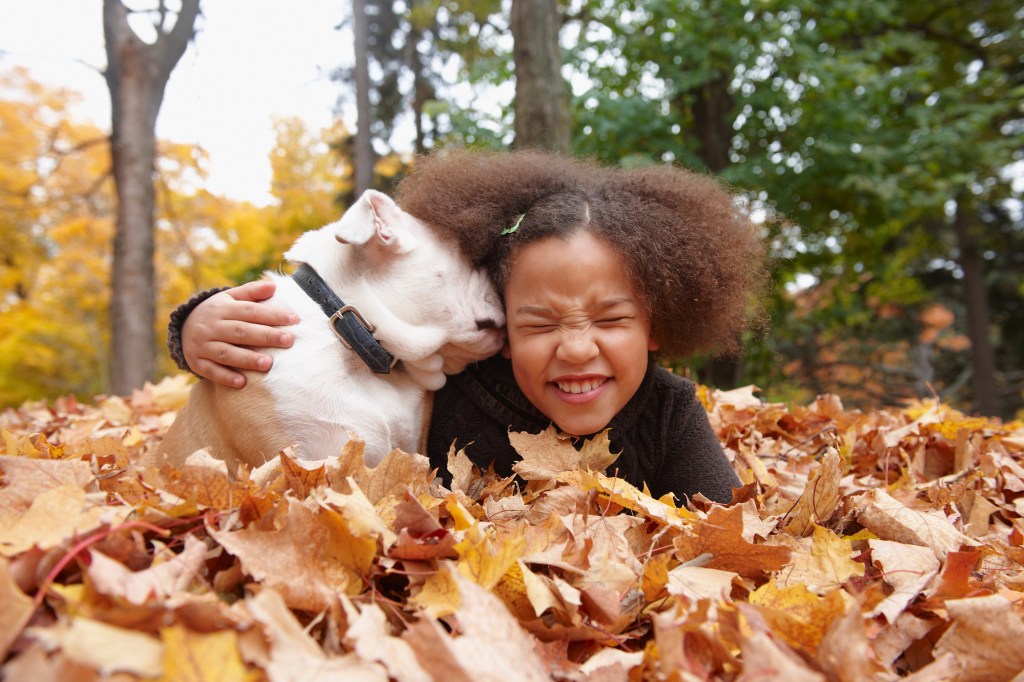
(Photo Credit: LWA/Dann Tardif | Getty Images) Determining if a dog is kid-friendly involves assessing various aspects of their temperament, behavior, and breed characteristics. A kid-friendly dog should display a gentle and calm demeanor, showing an ability to handle the unpredictable behaviors and noises associated with children. Additionally, behavioral signals like wagging tails and a relaxed body language often indicates a positive interaction with kids.
Breed tendencies also play a role in gauging kid-friendliness. Some breeds are inherently more predisposed to be good with children. It’s essential to consider the dog’s personality, socialization history, and any signs of anxiety or discomfort. A well-socialized dog that has positive experiences with children is more likely to be kid-friendly, regardless of their breed. Conducting meet-and-greet sessions under controlled circumstances and observing the dog’s reactions to children’s actions can provide valuable insights into their suitability for family life.
-
Dog Breeds That Get Along With Other Dogs
Just because a dog is friendly with people, it doesn’t mean that they’re going to be friendly with other dogs. Some pets get along with other dogs well and enjoy playing with them, while others might prefer to be more independent and reserved.
While it’s true that breed type can influence this behavior, allowing a dog to socialize and have positive experiences with other fur babies can help. Also, dogs that grow up around littermates or those that have the chance to regularly play and interact with other pups have a higher chance to develop strong canine social skills.
However, every dog is different, so you must be patient while helping them properly socialize so that they can eventually become more comfortable with other dogs.
Raising a Dog-Friendly Dog
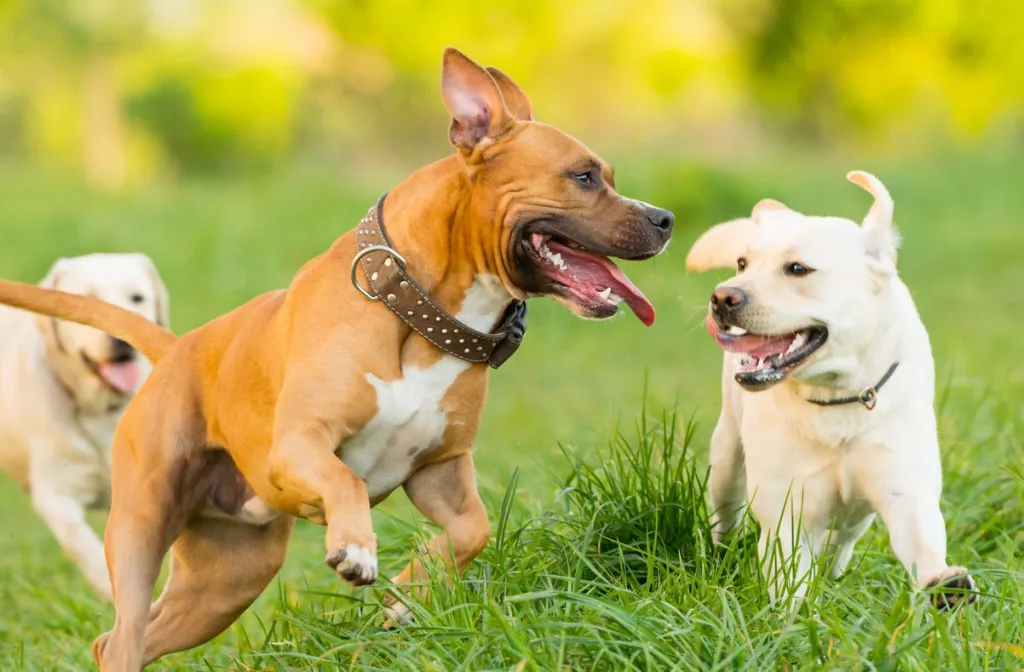
(Photo Credit: Stefan Cristian Cioata | Getty Images) If you want to raise your dog to get along with other pooches, you must give them positive experiences. Introduce them and let them play with calm and friendly dogs, at their own pace. Never force them to interact if you sense that they are feeling nervous, afraid, or overwhelmed.
To make them more comfortable around other dogs, we’d suggest regular walks, supervised playdates, and visits to dog-friendly places. You can also reward them when they behave calmly and give them time and space whenever required.
If you are patient and consistent enough, your fur baby will become confident and will learn to enjoy their time with canine companions.
Wondering if there are dog breeds that tend to be not so friendly? Check out the page linked below.
-
Friendly Toward Strangers
Stranger-friendly dogs will greet guests with wagging tails and nuzzles; others are shy, indifferent, or even reserved. However, no matter what the breed, a dog who was socialized and exposed to lots of different types, ages, sizes, and shapes of people as a puppy will respond better to strangers as an adult. Remember that even friendly dogs should stay on a good, strong leash in public.
However, it’s worth noting that certain breeds might initially appear more reserved or aloof when encountering new people. Some individuals appreciate this quality, as not everyone seeks a highly sociable canine companion. There is a preference for the calm and composed personalities exhibited by specific breeds. It’s essential to recognize that not all breeds necessarily need to be inherently friendly with strangers; however, it is crucial that your pup is not aggressive or reactive in such situations.
Raising a stranger-friendly dog
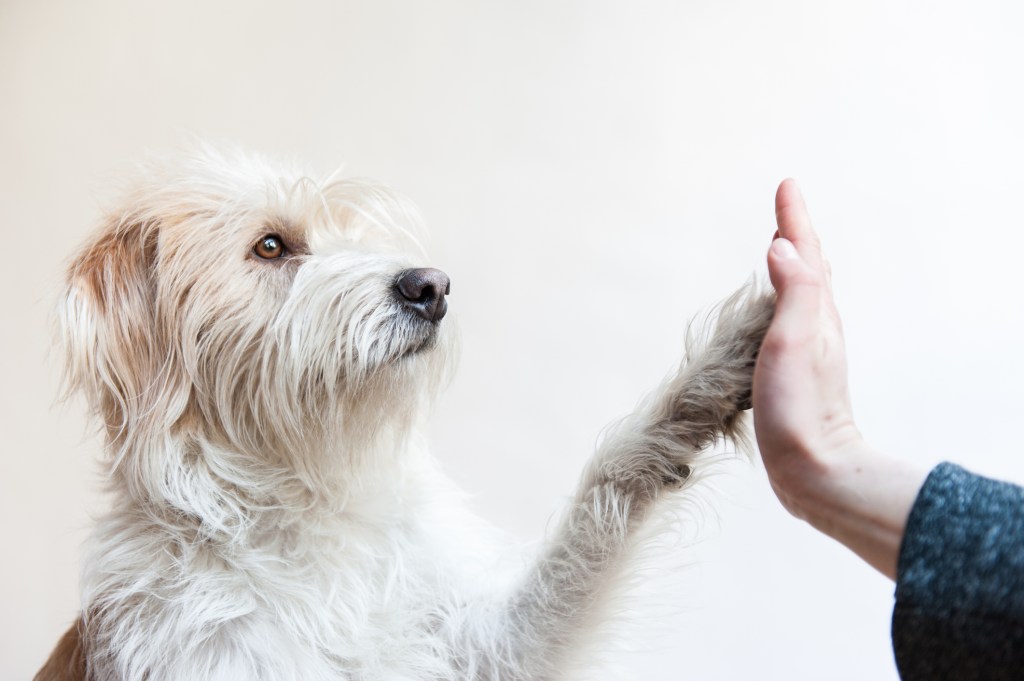
(Photo Credit: Lucy Lambriex | Getty Images) While some dog breeds are more naturally inclined to make friends with strangers, you may choose a puppy or adult dog that needs a little help. It’s may be common knowledge that there is a small window during a puppy’s early development when they are the most adaptable in terms of how they’ll interact with humans. You may, however, bring home an adult dog or a rescue and not get the opportunity. Not to fear! There are still many ways to help your pooch become stranger-friendly.
Socialization is always the best way to ensure your dog becomes their most friendly self. You can help by exposing your pooch to as many sights, sounds, and environments as possible. Set up doggy playdates, enroll in dog training classes, or visit the dog park. Of course, be sure to do your research on dog training methods to ensure your dog will listen to you in social settings. Confidence is key!
Trainability
-
Easy to Train Dog Breeds
Some dogs find it really easy to pick up new commands and routines. They are referred to as easy-to-train dog breeds and are usually very attentive, intelligent, and eager to please their pet parents.
Breeds like Border Collies, Poodles, Golden Retrievers, and Labrador Retrievers are known to be easy to train. They are quick to learn commands, and the experience with them is always positive – these dogs enjoy having something to do. They are very eager to please their owners, and this makes the time and effort you spend on them very rewarding.
However, you must understand that even easy-to-train dogs require patience and encouragement. By choosing a breed that suits your lifestyle and daily routine, you can ensure that the training experience is enjoyable for both your pooch and yourself.
The Basics of Dog Training
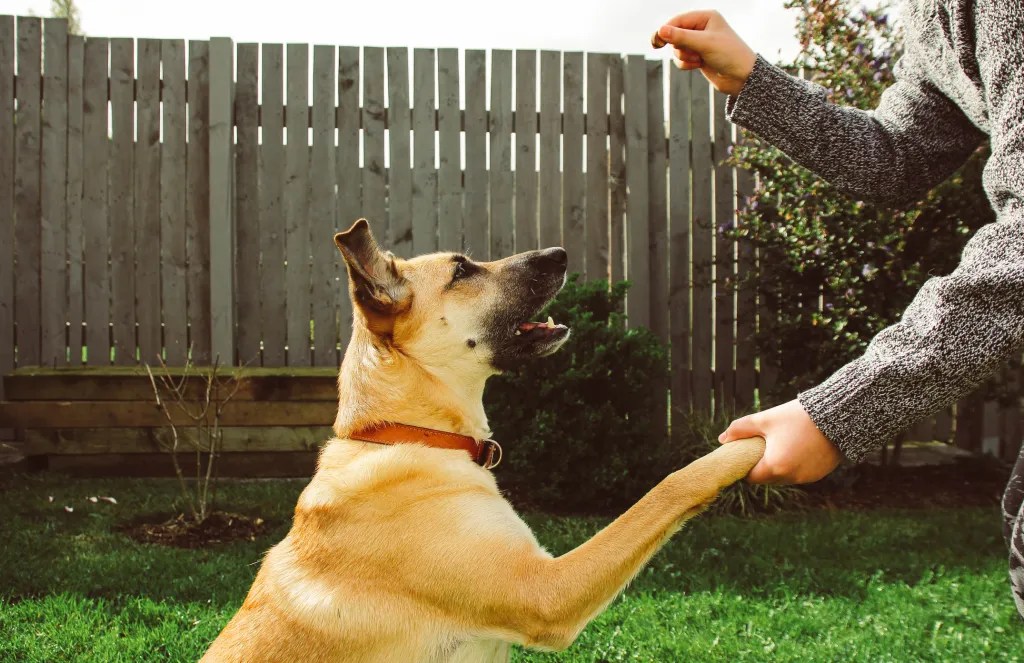
(Photo Credit: GlobalP / Getty Images) You need to begin with basic commands such as sit, stay, come, and drop. Try to keep your training sessions short and positive – you can use treats, praise, or even toys as rewards.
Consistency is everything! Use the same commands every time and practice them in different environments. This will help your fur baby understand what you expect of them, no matter where they are.
Also, every dog learns at a different pace, so do not expect your dog to get familiar with commands the same way another canine does. Even dog breeds that can be taught commands easily need patience and sufficient repetition – don’t punish them, but focus on rewarding their progress.
Some dogs can be more challenging to train than others; check them out below:
-
Intelligence
Dogs exhibit a remarkable spectrum of intelligence, encompassing a wide array of cognitive abilities and problem-solving skills. From the astute problem-solving abilities of breeds like Border Collies to the keen observational skills of German Shepherds, canine intelligence manifests in various forms. Some dogs excel in tasks requiring social intelligence, such as understanding human emotions and cues. Other may showcase exceptional learning capacity in their ability to master complex commands and tasks. Additionally, certain breeds demonstrate remarkable memory retention and the ability to adapt to new situations swiftly. However, it’s essential to recognize that intelligence in dogs is diverse and multifaceted. Intelligence is influenced not only by genetics, but also by individual experiences and environmental factors.
Dogs bred for tasks requiring decision-making, intelligence, and focus, such as herding livestock, require mental stimulation akin to how dogs bred for endurance need physical exercise. Lacking such mental engagement, they may resort to activities like digging or chewing to occupy themselves. It’s worth noting that while intelligence is valued, it doesn’t always correlate with trainability, especially in breeds bred for independent thinking. Hello, Livestock Guardians! Incorporating obedience training, interactive toys, and engaging activities like dog sports or careers such as agility and search and rescue can provide the mental challenge these dogs crave.
Mental stimulation for your dog
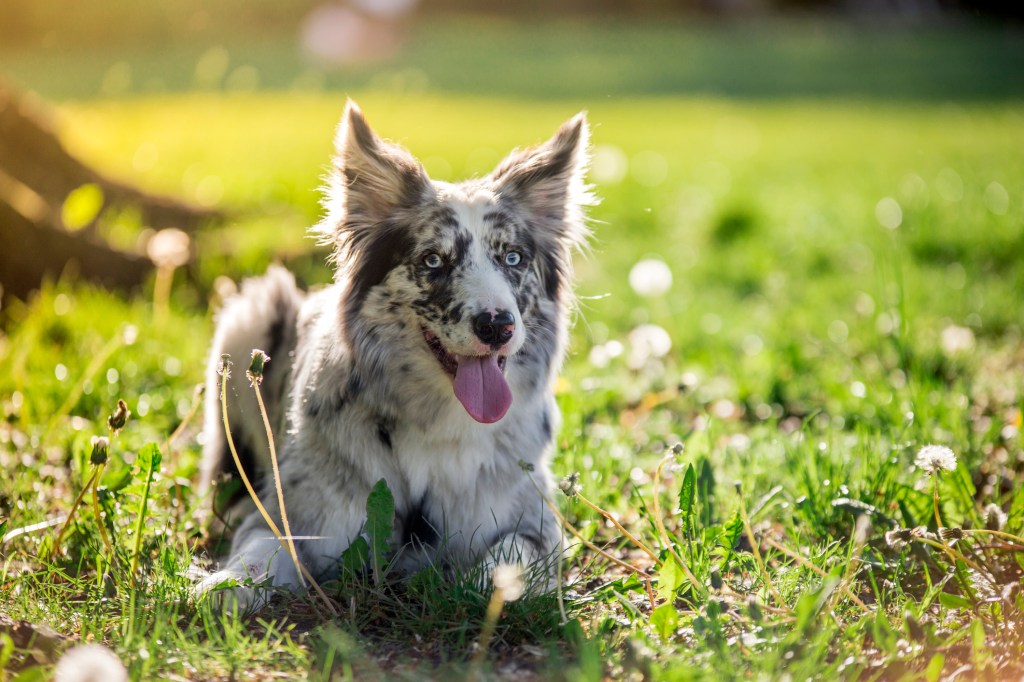
(Photo Credit: Anita Kot | Getty Images) Keeping your dog mentally stimulated is crucial for their well-being. One way to do this is through interactive play and toys. Treat-dispensing toys or puzzles that require problem-solving can keep your dog entertained and mentally engaged. Regularly rotating toys can also prevent boredom. Additionally, incorporating training sessions into your daily routine provides mental stimulation while strengthening your bond with your dog. Teaching new tricks or practicing obedience commands challenges their mind and keeps them sharp.
Another way to stimulate your dog mentally is through enrichment activities. This includes activities that engage their senses, such as hide-and-seek games using treats or scent trails. Taking your dog on different walking routes or exploring new environments introduces novelty and mental stimulation. Additionally, providing opportunities for social interaction with other dogs through playdates or visits to dog parks can stimulate their minds through socialization. Regularly changing up their environment and offering new experiences helps prevent monotony and keeps your dog mentally sharp and happy.
-
Potential For Mouthiness
Mouthiness, a tendency to nip, chew, and playfully bite, is a common behavior in puppies across many dog breeds. For some breeds, the tendency persists into adulthood, particularly with sporting and herding breeds. Because of this inherent instinct in many breeds, mouthy dogs are more inclined to use their mouths to hold or “herd” their human family members. Of course, this isn’t always appreciated! They require training to learn that chewing on toys is acceptable, but not on people. Breeds with a higher potential for mouthiness often greatly enjoy interactive games like fetch, as well as chewing on toys stuffed with kibble and treats.
Dog biting and mouthing
Puppy mouthing and nipping may seem cute initially, but it can develop into an unwanted habit as the dog matures, especially in breeds with a potential for mouthiness. It’s important to understand that in the early stages of a puppy’s development, biting and mouthing is one of the ways they begin to explore and understand their environment. These aren’t true bites, but rather the puppy using their mouth to sense and interact with its surroundings. Even so, it’s a good idea to teach your dog commands like “drop it” or “let go” from a young age. This will help curb the mouthing behavior before it becomes an entrenched problem in adulthood.
Training dogs with a potential for mouthiness
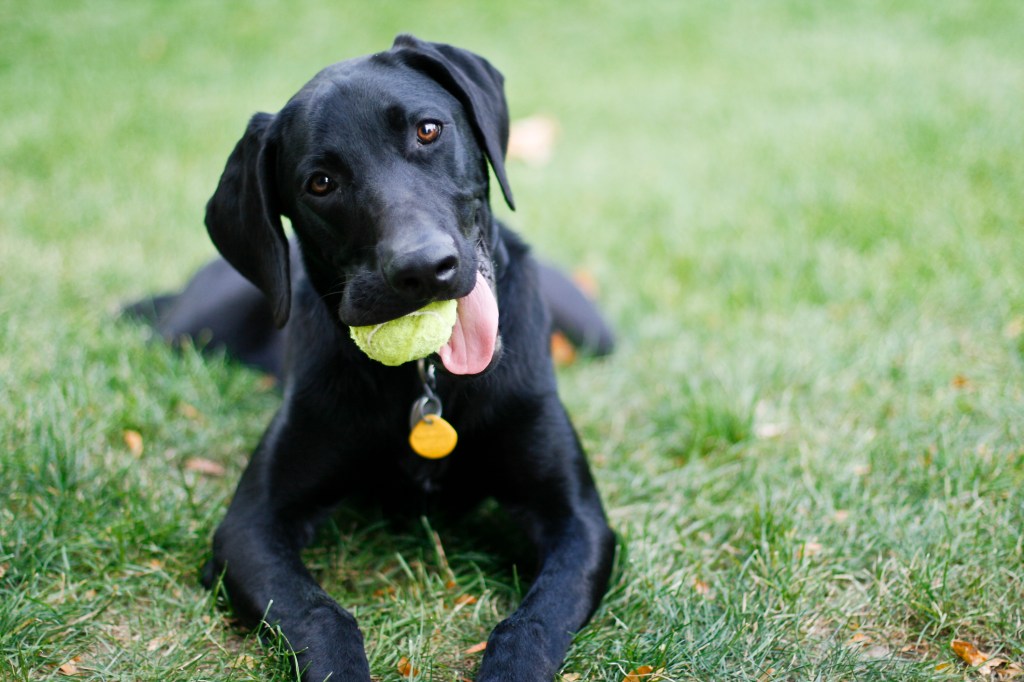
(Photo Credit: TJ_Kloster | Getty Images) The best way to train your dog out of mouthiness is to teach them how to play with a gentle mouth. Whenever your dog puts their mouth on your skin, make a high-pitched yelp or squeal. This teaches them that biting hurts. As they learn that their bite causes discomfort, they’ll start to use less pressure. It’s crucial to help your dog understand that they may accidentally apply too much force, resulting in a painful bite. You’ll need to consistently use this technique until your dog only applies the lightest pressure, using just their gums, when engaging in playful mouthing behaviors.
The key is to show your dog that hard bites are unacceptable, so they learn to play more gently with a soft mouth. The yelping response reinforces this lesson over time, allowing your dog to develop more control and gentleness when playing with their mouth.CopyRetry
-
Prey Drive
Dogs with a high prey drive have an instinctive desire to stalk, capture, and prey upon potential food sources. Dogs who were bred to hunt, such as Terriers, have an inborn desire to chase — and sometimes kill — other animals. Anything whizzing by — such as cats, squirrels, and perhaps even cars — can trigger that instinct.
How to address a high prey drive
Off-leash adventures are too great a temptation for pups who will wander and hunt. Dogs who like to chase need to be leashed. And, even on a leash, you may experience your dog pulling on the leash to reach rodents or birds in their sight. Otherwise, these pups should be kept in a fenced area when outdoors. If your pup has a high prey drive, you’ll need a high, secure fence in your yard.
These breeds generally aren’t a good fit for homes with smaller pets that can look like prey, such as cats, hamsters, or small dogs. Breeds that were originally used for bird hunting, on the other hand, generally won’t chase, but you’ll probably have a hard time getting their attention when there are birds flying by.
Other behavioral concerns
Observing your dog’s prey drive, which is instinctual and biologically-rooted, is not the same as observing aggression. Much aggression is born of fear and anxiety, especially in the case of dog aggression toward humans.
The tendency to wander, even into oncoming traffic, can produce diasterious results for pups with predatory instincts. It can also lead to pups being bitten by snakes or attacked by other wild animals they may pursue while on the hunt.
-
Tendency To Bark Or Howl
Some breeds sound off more often than others. When choosing a breed, think about how often the dog vocalizes. Learn more about breeds with a tendency to bark or howl.
If you’re considering a hound, would you find their trademark howls musical or maddening? If you’re considering a watchdog, will a city full of suspicious “strangers” put your pup on permanent alert? Will the local wildlife literally drive your dog wild? Do you live in housing with noise restrictions? Do you have neighbors nearby who may not be thrilled about the booming barks? Then you may wish to choose a quieter dog.
Effective ways to deal with a vocal dog
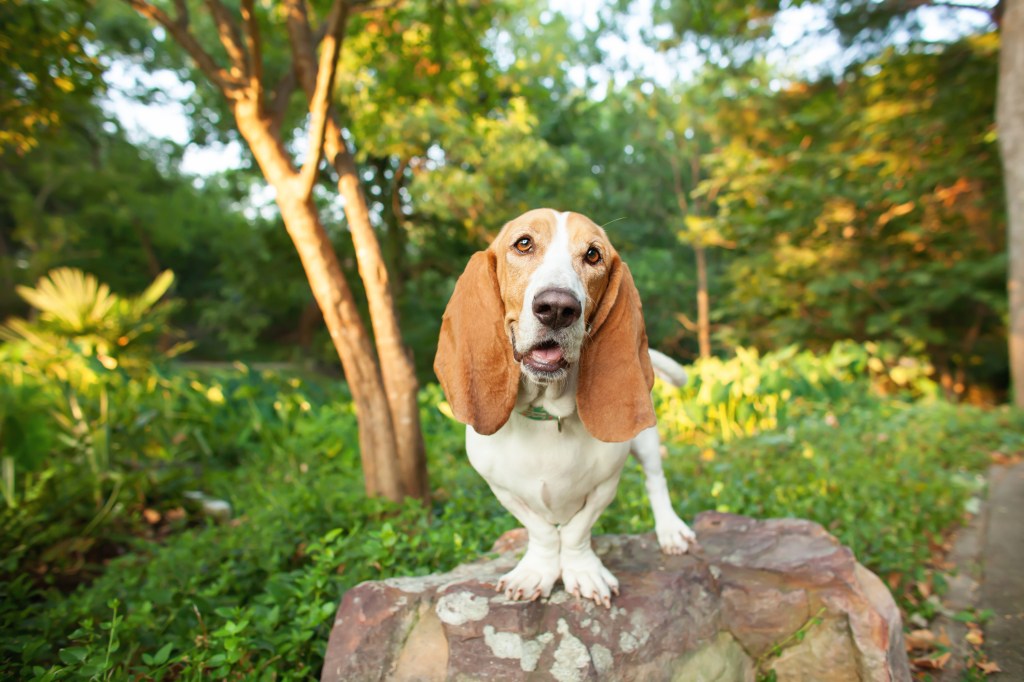
(Photo Credit: Mica Ringo | Getty Images) Training a dog with a tendency to bark or howl excessively requires patience, consistency, and positive reinforcement techniques. Begin by identifying the triggers that prompt your dog to bark, whether it’s the doorbell, passing cars, or other animals. Once you understand the underlying causes, work on desensitizing your dog to these stimuli through gradual exposure and counterconditioning. For example, if your dog barks at the doorbell, practice ringing the bell repeatedly at a low volume while rewarding calm behavior with treats or praise. Gradually increase the intensity of the stimulus while continuing to reward quiet responses, reinforcing the idea that remaining quiet brings positive rewards.
In addition to desensitization exercises, teach your dog an alternative behavior to replace barking, such as “quiet” or “speak.” Use these commands in training sessions to encourage your dog to bark on cue and then stop when prompted. Consistency is crucial, so ensure everyone in the household is on board with the training plan and reinforces the desired behavior consistently. Finally, provide mental and physical stimulation through regular exercise and interactive toys to help alleviate boredom and reduce the likelihood of excessive barking.
-
Wanderlust Potential
Dogs possess a natural inclination for exploration and adventure, often displaying wanderlust tendencies that stem from their ancestral instincts. With their keen sense of smell and curiosity, dogs are drawn to new scents, sights, and experiences. As a result, they may be inherently prone to wander off if given the opportunity. This wanderlust potential varies across breeds, with some exhibiting stronger instincts for exploration than others. Breeds such as the Siberian Husky, Beagle, and Australian Shepherd are known for their independent spirits and high energy levels. They may be more likely to wander off in search of excitement or stimulation. However, even breeds typically considered more docile may still succumb to wanderlust if not properly trained or supervised.
Safety tips for dogs with wanderlust potential
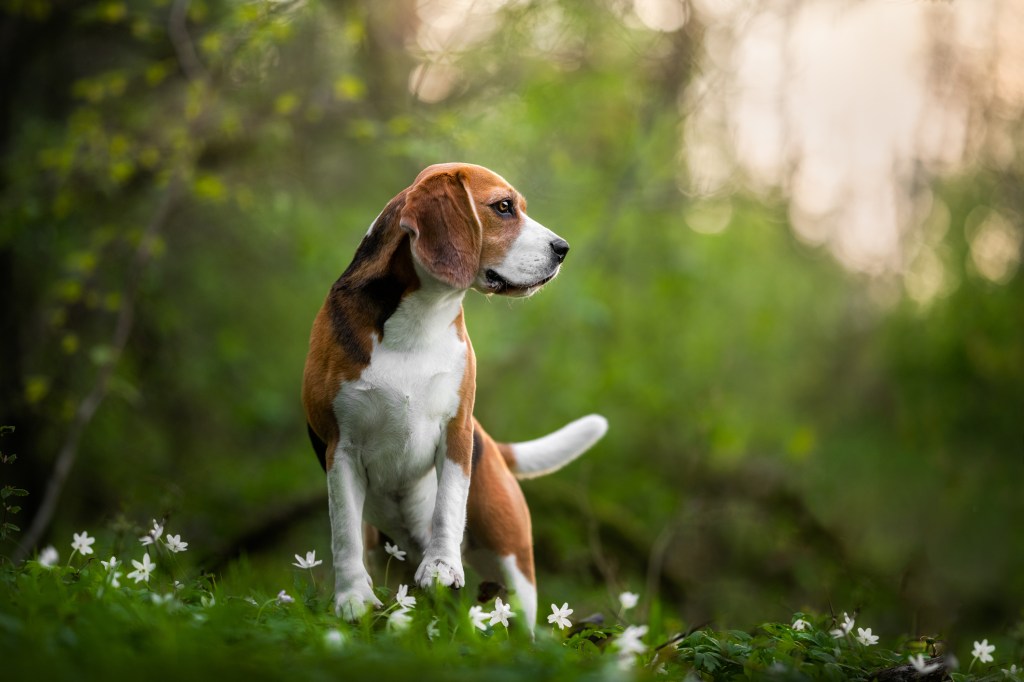
(Photo Credit: IzaLysonArts / 500px | Getty Images) To mitigate the risk of dogs wandering away, responsible pet ownership involves implementing preventative measures and training techniques. Providing adequate physical and mental stimulation through regular exercise, interactive play, and enrichment activities can help satisfy a dog’s innate desire for exploration and reduce the likelihood of wandering behavior. Having a general awareness of the “escape artist” tendencies in certain breeds can help you in ensuring the safety of your pup. Additionally, training commands such as recall and leash manners are essential for establishing boundaries and ensuring that dogs remain under control when outdoors. Investing in secure fencing for outdoor spaces and using identification tags or microchips can also provide added security and peace of mind in case of accidental escapes.
Exercise needs
-
High Energy Level
Energetic dogs, bred for specific tasks such as retrieving for hunters or herding livestock, are always ready for action and have enough stamina to work a full day. Additionally, active dogs with high energy levels necessitate a significant amount of physical and mental activity. These dogs enjoy jumping, playing, and discovering new sights and smells. Owners of high-energy breeds must provide outlets for their dogs’ physical and mental needs to keep them healthy and happy.
Low-energy dogs, on the other hand, are the canine equivalent of a couch potato, content to spend their days sleeping. When choosing a dog breed, you should consider your activity level and the energy level of your potential companion. Determine whether you would find certain dogs’ lively and energetic personalities invigorating or potentially overwhelming. Understanding a breed’s energy requirements is critical for ensuring a harmonious match between the dog’s needs and the owner’s preferences, resulting in a satisfying and balanced companionship.
Exercise needs for your active dog
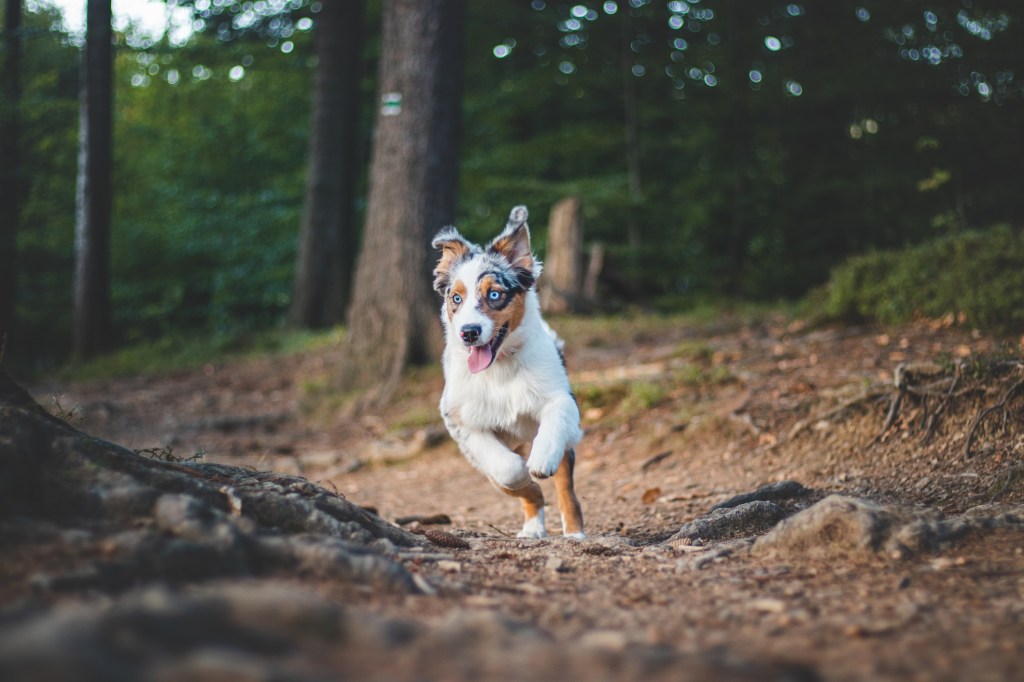
(Photo Credit: VSFP | Getty Images) Exercise requirements for high-energy dogs can vary even within the same breed. It’s also important to note that age doesn’t exempt senior dogs from exercise; they simply require shorter walks compared to their younger years. For energetic dogs, a leashed stroll around the block won’t be enough. The goal is to ensure that your dog is sufficiently tired and content by the time the exercise session concludes.
To meet the exercise needs of active breeds, it’s recommended to provide at least 30 minutes of vigorous aerobic exercise most days. This applies not only to larger breeds but also to smaller ones. Some toy breeds are prone to obesity and may need more activity than one might assume. Safety is paramount, so during extreme weather conditions, it’s advisable to stay indoors and engage your dog’s mind through activities like trick training, interactive play with toys, or running up and down stairs together. A well-rounded exercise routine involves activities that challenge both mental and physical muscles, such as exploring new hiking trails. Check out our guide on the Top 10 Ways to Exercise With Your Dog.
RELATED:
-
Intensity
A dog with high intensity exudes boundless energy and enthusiasm in everything they do, whether it’s pulling on the leash, tackling obstacles with gusto, or devouring meals with voracious appetite. While their exuberance can be endearing, it also necessitates consistent training to instill good manners. However, not everyone will appreciate their high energy levels. Some high intensity dogs may not pair well to households with young children or individuals who are elderly or frail, as their exuberance could inadvertently pose a risk.
In contrast, a low-intensity dog approaches life with a more relaxed and subdued demeanor. These dogs typically exhibit a calmer disposition, preferring leisurely strolls and gentle interactions over exuberant displays of energy. Their tranquil nature often makes them ideal companions for those seeking a more laid-back canine companion. This may be particularly true in homes where a quieter atmosphere is preferred.
Exercise and training for high-intensity dogs
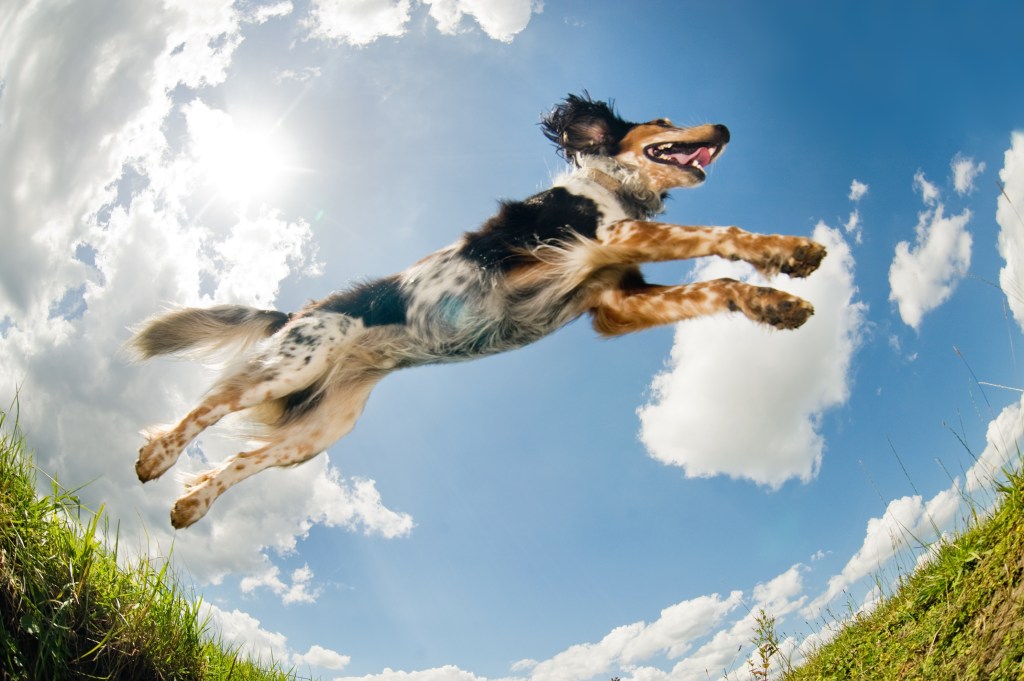
(Photo Credit: shevvers | Getty Images) Training and exercise are crucial for dogs with high-intensity personalities to manage their energy effectively. Consistent training using positive reinforcement techniques helps instill good manners and impulse control. Engaging them in mentally stimulating activities, alongside regular physical exercise like agility or fetch, is essential to prevent boredom-driven behaviors and promote overall well-being. Variety in their exercise routine, such as exploring new trails or participating in dog sports, ensures both physical and mental stimulation for a balanced and fulfilling life.
-
Dog Exercise Needs By Breed
Different dogs have different exercise needs, and this mainly depends on their breed type, age, size, and energy level. Some of them will be content with a short, relaxed walk, while others require a lot of activity on a daily basis.
When it comes to high-energy breeds, they need plenty of exercise to lead a happy and healthy life. If they don’t get sufficient activity, they will get bored and will look for other ways to use up their energy – this could cause them to habitually bark, chew, or dig around.
You’ll need to set up the right routine for them, comprising walks, playtime, running, and any other activities that they might enjoy. With a good understanding of your dog’s exercise needs, you can ensure that they stay active, content, and well-behaved.
How Much Exercise Does a Dog Need?
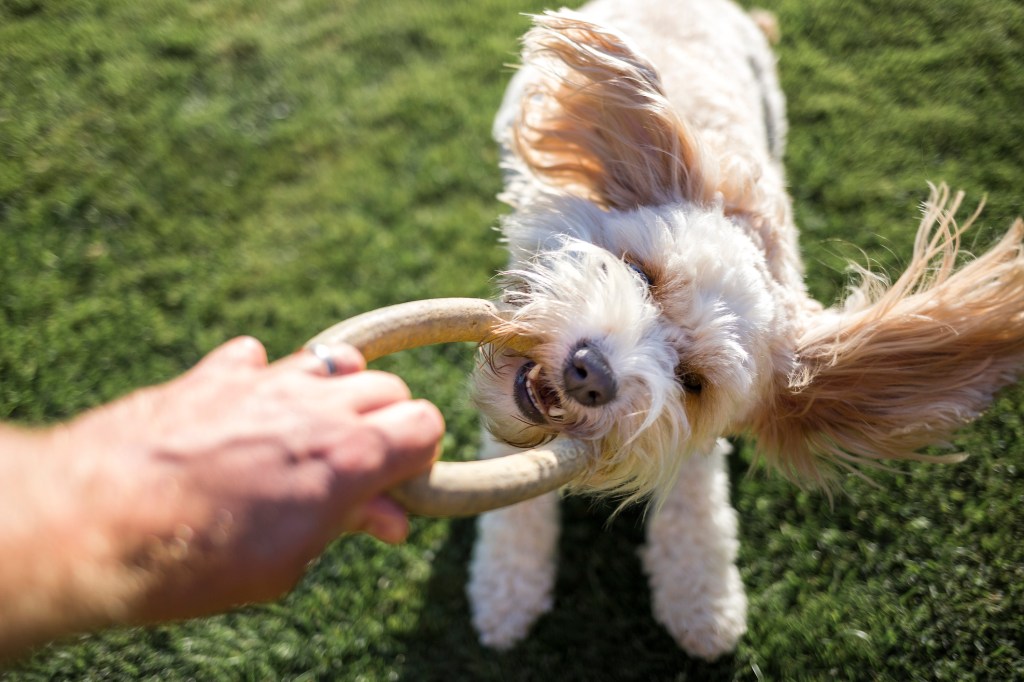
(Photo Credit: Image by Chris Winsor | Getty Images) Most adult dogs need somewhere between 30 minutes to 2 hours of exercise on a daily basis, and the exact number varies depending on their breed, age, health, and energy level. Some dogs need to stay very active, while others can be completely fine with short and gentle activities.
When it comes to puppies, they need short play and exercise sessions throughout the day, while older pets might prefer slow walks and low-impact activities that are beneficial for them. If you’re dealing with a high-energy breed, they most likely require long walks, play, and mentally stimulating activities to be satisfied.
You need to pay attention to your dog’s energy levels and how they behave. If they are often bored or restless, they may be in need of more activity, while on the other hand, reluctance or tiredness could indicate that it’s time to slow down.
If you’re wondering which dog breeds don’t need a lot of exercise, click the button below:
-
Potential For Playfulness
Understanding your dog’s temperament is crucial when considering their exercise and play needs. Some dogs have a high potential for playfulness, constantly seeking out games and activities to engage in. These playful pups can be endearing, but it’s essential to consider how much time and energy you have to dedicate to play each day. Think about whether you’re prepared for multiple rounds of fetch or tag and if you have other family members, kids, or even other dogs who can serve as playmates for your furry friend.
On the other hand, some dogs are more serious by nature. While they may still enjoy playtime, it might not be as frequent or vigorous as with their more playful counterparts. Understanding your dog’s individual temperament helps you tailor their exercise routine to suit their needs and preferences. It’s about finding the right balance between providing enough mental and physical stimulation without overwhelming them or neglecting their need for relaxation and downtime.
Make the most of playtime
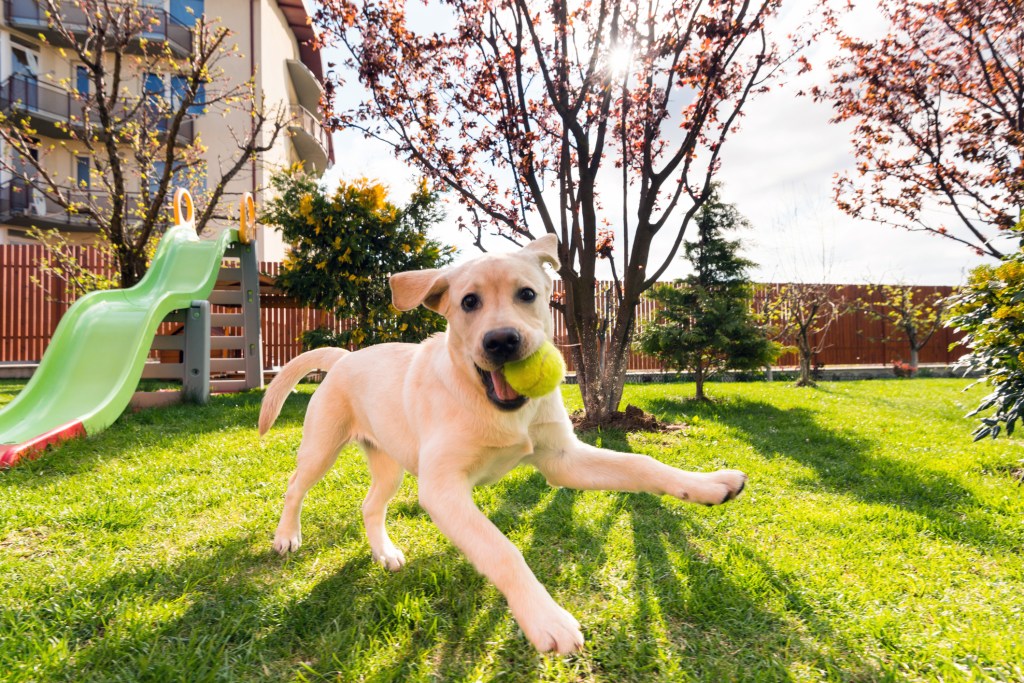
(Photo Credit: Stefan Cioata | Getty Images) Playing with our pups is good for us. Seriously, science says so! To make the most of spending time with breeds with a high potential for playfulness, consider incorporating a variety of interactive games and toys to keep them mentally stimulated and physically active. Engage in activities such as fetch, tug-of-war, or hide-and-seek, which tap into their natural instincts and provide both mental and physical exercise. Use positive reinforcement, such as treats and praise, to encourage good behavior and reinforce the bond between you. Remember to be patient and flexible, allowing your dog to lead the play session and adapt to their preferences. Finally, ensure a safe environment by removing any potential hazards and supervising closely, especially when introducing new toys or activities.
Basset Fauve de Bretagne Overview
Basset Fauve de Bretagne Highlights
- Loyal and affectionate: Form strong bonds with families, craving attention and interaction.
- Energetic and playful: Enjoy walks, playtime, and outdoor adventures, keeping you active.
- Intelligent and trainable: Eager to please and excel with positive reinforcement.
- Unique appearance: Distinctive short stature, wiry coat in various fawn shades, and floppy ears.
- Adaptable companions: Can thrive in various living situations with proper exercise and mental stimulation.
- Alert watchdogs: Bark readily at unfamiliar sights or sounds, offering a watchful presence.
- Moderate exercise needs: Daily walks and playtime are essential to prevent boredom and destructive behaviors.
- Early socialization and training: Crucial to manage potential hunting instincts and vocalizations.
- Potential health concerns: Prone to intervertebral disc disease, angular limb deformities, and eye problems. Responsible breeding and regular vet checkups are essential.
- Potential for vocalizations: Their friendly nature can sometimes translate to barking, requiring management strategies for responsible pet ownership.
Basset Fauve de Bretagne History
The Basset Fauve de Bretagne was created in France from the remnants of the now extinct Grand Fauve de Bretagne, a much larger breed. Dogs of this newer breed were hunting dogs in early France. This dog breed was used by French commoners to help them hunt after the French revolution. Because they hunted on foot, they needed a slower dog who could track and hunt game but also move at a speed that would allow people to keep up with them.
Basset Fauve de Bretagne became particularly popular during the late 1800s and early 1900s, as they proved to be adept hunters with their keen sense of smell, sturdy build, and determination. Their primary role was to hunt rabbits and other small game, utilizing their scenting abilities to track and locate prey. Over time, their friendly temperament and adaptability also endeared them to families, and they transitioned from being solely hunting dogs to beloved companions.
While the breed faced challenges during periods of war, enthusiasts and dedicated breeders played a crucial role in preserving and promoting the Basset Fauve de Bretagne. The breed was officially recognized by the Fédération Cynologique Internationale (FCI) in 1957. Today, these dogs are not only cherished for their hunting prowess but also valued as affectionate and charming family pets.
Basset Fauve de Bretagne Size
The Basset Fauve de Bretagne is a small- to medium-sized breed. Most weight in between 25 to 35 pounds and range in height from twelve to 15 inches at the shoulder. That said, many can be smaller or larger.
Basset Fauve de Bretagne Personality
Basset Fauve de Bretagnes are great dogs for everyone. They pack a lot of energy in such a small and sturdy frame. These hound dogs love to be outdoors, as they were originally meant to be hunters along their human counterparts. They are also highly intelligent, and mental stimulation is just as important as physical exercise for them.
They may be a little stubborn when it comes to training, but they respond well to gentle and consistent owners who know what they are doing. They are generally friendly with everyone but will let you know if a stranger approaches the door. They’re not meant to be watchdogs, but they are tough and will protect their families no matter what. These adorable pups are loyal and gentle. They’re able to get along with everyone in the household but might chase after smaller pets.
Basset Fauve de Bretagne Health
Basset Fauve de Bretagne dogs are generally healthy, and most are able to enjoy longevity. While most are healthy, some may be prone to a few health issues, which is why it is important to maintain good care and regular veterinary checkups. Some of the more common health problems Basset Fauve de Bretagnes suffer from include:
- Progressive Retinal Atrophy (PRA): Progressive Retinal Atrophy (PRA) is a genetic condition in dogs leading to the degeneration of the retina, resulting in progressive vision loss and eventual blindness. Regular veterinary eye examinations and genetic testing are essential for early detection and breeding practices to mitigate the risk of passing on the gene.
- Epilepsy: Epilepsy in dogs manifests as recurrent seizures and can be caused by various factors, including genetics or underlying health issues. While it can’t be cured, epilepsy in dogs is often managed with antiepileptic medications under veterinary supervision to control and reduce the frequency of seizures, improving the affected dog’s quality of life.
- Cardiomyopathy: Cardiomyopathy refers to diseases affecting the heart muscles, and in dogs, it can lead to heart failure. Breeds such as Doberman Pinschers and Boxers are more predisposed, and symptoms may include coughing, difficulty breathing, and lethargy. Early diagnosis through veterinary examinations, including echocardiograms, is crucial for managing the condition and improving the dog’s prognosis.
- Skin Allergies: Skin allergies in dogs can be triggered by various factors, such as food, environmental allergens, or parasites. Common symptoms include itching, redness, and skin infections. Identifying and addressing the specific allergen, along with appropriate veterinary care, is vital for providing relief and preventing recurring skin issues.
- Thyroid Issues: Thyroid issues in dogs, such as hypothyroidism, result from the underproduction of thyroid hormones and can lead to weight gain, lethargy, and skin problems. Regular veterinary check-ups and blood tests are necessary for early detection, and treatment typically involves lifelong hormone supplementation to manage the condition effectively.
Basset Fauve de Bretagne Care
As with all dogs, you should keep up with your Basset Fauve de Bretagne’s regular veterinary checkups to detect any health concerns early. Your vet can help you develop a care routine that will keep your dog healthy.
The Basset Fauve de Bretagne has high energy, and it’s unlikely they will be prone to weight gain unless they don’t get adequate exercise. Make sure your dog gets at least one good half-hour- to hour-long walk per day with a few good, active play sessions and shorter walks mixed in.
Check their ears for debris and pests daily and clean them as recommended by your vet. Trim your dog’s nails before they get too long—usually once or twice per month. They should not be clicking against the floor. Your groomer can help with this.
Your main concern when it comes to your Basset Fauve de Bretagne’s care will be maintaining their oral health. You should brush their teeth daily, as small breeds are prone to dental issues. Your veterinarian can instruct you on how to brush your dog’s teeth properly.
Basset Fauve de Bretagne Feeding
An ideal Basset Fauve de Bretagne diet should be formulated for a small breed with high energy. If they do not receive their daily exercise, like all dog breeds, they will gain weight if overfed, so you should stick to a regular feeding schedule and not leave food out during the day. Limit their number of treats, as well.
As with all dogs, the Basset Fauve de Bretagne’s dietary needs will change from puppyhood to adulthood and will continue to change into their senior years. You should ask your veterinarian for recommendations about your Basset Fauve de Bretagne’s diet, as there is far too much variation among individual dogs—including weight, energy, and health—to make a specific recommendation.
Basset Fauve de Bretagne Coat Color And Grooming
Basset Fauve de Bretagne coats are almost a “wash-and-wear” type that is coarse and wiry. The main colors of the Basset Fauve de Bretagne are fawn, wheaten, and red wheaten. Their coats are wiry, dense, and harsh to the touch. These pups are not a good choice for those with allergies.
The Basset Fauve de Bretagne is a good choice if you don’t have the time, skill, or money to take care of a high maintenance dog. Because they tend to have dense coats, the Basset Fauve de Bretagne do well in some colder climates. Make sure to cut their hair if you live in a hotter environment.
Basset Fauve de Bretagne Children And Other Pets
The Basset Fauve de Bretagne is a small to medium sized dog breed, so they can easily be injured by overly excited children. Though they can get along with children of all ages, make sure kids know how to handle smaller dog breeds gently. For younger children who learn early how to properly approach and play with a small dog, the Basset Fauve de Bretagne can make a great, active companion.
When it comes to other pets, the Basset Fauve de Bretagne can get along with other animals if they are introduced slowly and calmly, and early socialization will help this go smoothly. It’s best if they get used to other pets early. That said, the Basset Fauve de Bretagne aren’t naturally fond of each other animals and may prefer to be the solo pet in the household. Still, many Basset Fauve de Bretagne get along just fine with other dogs and cats, so it really comes down to training, socialization, and the luck of the draw.
Basset Fauve de Bretagne Rescue Groups
Because the Basset Fauve de Bretagne is a somewhat rare breed, it may be difficult to find a breed-specific rescue. However, you can always check with your local shelter, and you may want to try a rescue that caters to all types of dogs. You can take a look at the following:
Basset Fauve de Bretagne Breed Organizations
Finding a reputable dog breeder is one of the most important decisions you will make when bringing a new dog into your life. Reputable breeders are committed to breeding healthy, well-socialized puppies that will make great companions. They will screen their breeding stock for health problems, socialize their puppies from a young age, and provide you with lifetime support.
On the other hand, backyard breeders are more interested in making a profit than in producing healthy, well-adjusted dogs. They may not screen their breeding stock for health problems, and they may not socialize their puppies properly. As a result, puppies from backyard breeders are more likely to have both health and behavioral issues.
Discover more from DogTime
Subscribe to get the latest posts sent to your email.