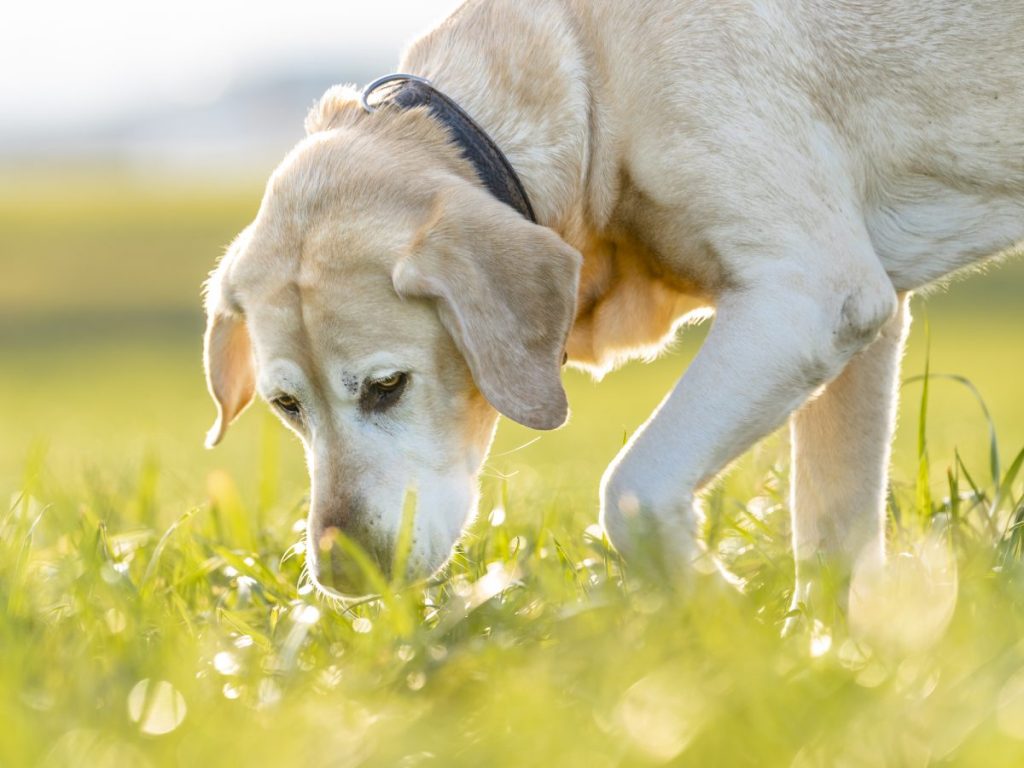
One of the most commonly asked questions among dog parents is, “Why is my dog eating grass?” It may seem like an odd behavior. After all, don’t dogs prefer to eat meat? Why would they choose to chew your lawn? Here’s what you should know when it comes to the mystery of your dog’s culinary habit.
Urban legend states that pets eat grass because they “know” they are sick and need to vomit, or that the pet is aware of some deficiency in their diet. They eat grass to induce vomiting and purge their stomachs of whatever is making their tummies feel upset.
Turns out, that idea is closer to myth than it is truth. Initially, it may seem like a good theory. Grass can tickle the throat and stomach lining, and some dogs will vomit after eating it.
What does it mean when a dog eats grass?
Turns out that is for various reasons, and it’s a relatively common behavior among them. Here are some possible reasons why dogs may eat grass:
Natural Instinct
Dogs are descendants of wild canines, and their ancestors would occasionally consume plant matter as part of their diet. Eating grass may be a leftover instinct from their wild counterparts.
Dietary Aid
Grass can serve as a natural source of fiber, and some dogs may eat grass to help with digestion or to induce vomiting. Grass acts as a natural irritant to the stomach, and dogs may instinctively eat it when they feel nauseated or want to expel something.
Nutritional Deficiency
In some cases, dogs may eat grass if they have a nutritional deficiency. They might be trying to supplement their diet with additional nutrients that they feel they’re lacking.
Behavioral or Boredom
Dogs may eat grass out of boredom or as a behavioral habit. If they are not provided with enough mental and physical stimulation, they may resort to eating grass as a way to entertain themselves.
Palatability or Taste
Some dogs simply enjoy the taste or texture of grass. They may find it appealing and choose to nibble on it, similar to how humans have certain food preferences.
While occasional grass consumption is generally harmless, excessive or prolonged ingestion of grass could be a concern. It’s important to monitor your dog’s grass-eating behavior and ensure they don’t consume grass treated with pesticides, fertilizers, or harmful chemicals. If you notice excessive grass eating, changes in behavior, or any signs of illness, it’s advisable to consult with a veterinarian to rule out any underlying health issues or nutritional deficiencies.
Dogs eating grass and vomiting
Dogs eat grass and vomit for a few potential reasons:
- To relieve gastrointestinal upset – Dogs may eat grass to induce vomiting and relieve mild stomach or intestinal distress, especially if they have eaten something that disagrees with them. The grass can irritate the GI tract, causing the dog to vomit. This helps quickly eliminate whatever is causing the discomfort.
- Dietary deficiency or illness – In some cases, non-stop grass eating and vomiting could signal a nutritional deficiency, disease, parasite, or disorder affecting the digestive system. It can be the body’s way of trying to correct an imbalance or underlying issue. Things like enzyme deficiencies, inflammatory bowel disease, pancreatitis, and more could trigger this behavior.
- Boredom or stress relief – Some dogs seem to just occasionally nibble grass and throw up without any clear source of illness or stomach pains. Experts believe this could be related to boredom, anxiety, or stress rather than physical illness. In these cases, more stimulation through walks, toys, or training might help curb the behavior.
So in summary – frequent grass eating and vomiting is usually happening because of an underlying GI issue or nutritional deficiency. But sometimes it seems habitual for reasons not well understood. If the behavior persists, having your vet examine your furry friend is wise just to rule out any problems requiring treatment.
Even Wild Dogs Will Eat Plant Matter
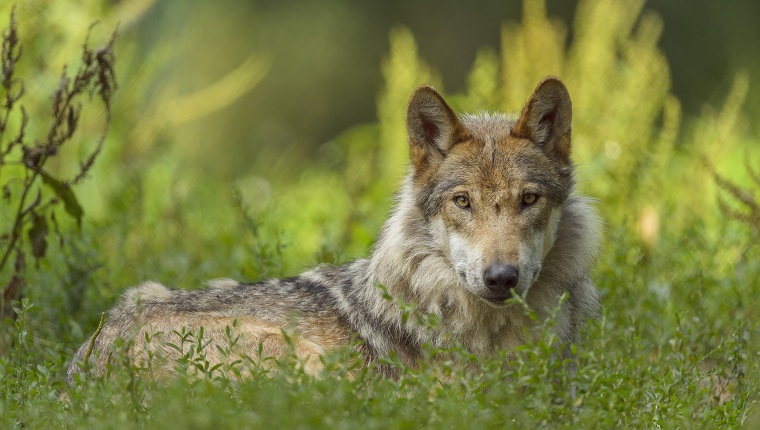
As pet parents, most of us know that our dogs’ diets should consist of a lot of meat. But dogs are not just carnivores. They also meet their dietary needs with other types of food.
Our domestic dogs’ ancestors were opportunistic eaters, which means they’d eat what they could find so long as it met their nutritional requirements. Wild dogs would eat all parts of their prey, including the stomach contents of herbivores, which contained plant matter. So even ancient dogs consumed things like grass that was inside the stomachs of their kills.
Domestic dogs today don’t usually hunt and eat their food, but they still eat plants as an alternative food source. Because grass is usually the most available plant, that’s often what they’ll eat. And even wild canines will eat vegetables, fruits, berries, or other plant matter.
Turns Out, They Just Like It
So why does your dog like to eat grass? Well, since many dogs will eat just about anything they can get their paws or mouth on, they are more than likely just chewing on or eating the grass because they like it. It’s closer to the truth to say that grass is just one of the many things dogs simply enjoy nibbling on.
Grass actually contains some essential nutrients that can benefit dogs. Granted, there are better options than grass for meeting your dog’s dietary needs. But some dogs may eat grass just to get some of those nutrients.
If your dog eats grass often, you may want to try feeding them a few more vegetables and leafy greens that you prepare, yourself. That may satisfy their need to feed on greens and could lead to a reduction in grass eating.
That said, if your dog has suddenly developed the habit of eating grass or consumes it to the point of frequently vomiting, you should bring your pooch in for a veterinary checkup. It’s better to be safe than sorry!
Can Dogs Eat Grass?

So if dogs just enjoy eating grass, is it safe for them to do so? Most experts say that eating a bit of grass is fine for dogs so long as the grass hasn’t been treated with chemicals like herbicides or pesticides.
Dogs who appear ill before or after eating grass should be examined by their vet, especially when the lawn has been treated chemically.
All of the above is about actual grass. However, it’s also important to remember that there are some very toxic and deadly plants commonly found indoors and outdoors. They include tulips, oleander, hyacinths, poinsettias, sago palms, azaleas, lilies, and amaryllis.
Pet parents should exercise extra caution when pets are near these plants. If you have a garden, you may wish to fence this area off so your dog won’t accidentally eat something they shouldn’t.