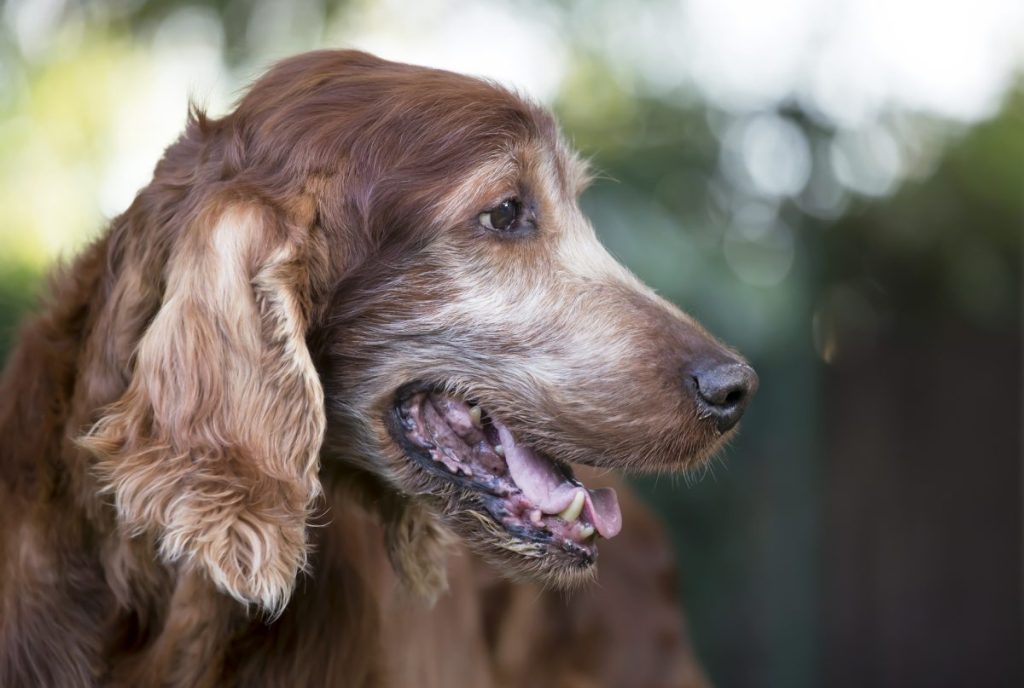
If you’re considering bringing home a sweet, old pooch, we have a few tips that will help when it comes to caring for your senior dog.
As dogs get older, you may see different age-related ailments that can cause pups pain and discomfort. It’s important to understand senior dogs’ needs so that you can help their golden years be their best years.
Switching to a senior-appropriate diet and making sure they get lots of long leisurely walks are great ways to help your senior dog feel better.
Here are some things you should know about senior dog care.
Defining a senior dog
As a rule, a small dog breed, such as a Chihuahua, can live into their late teens or even 20s, while a giant breed, such as a Great Dane, has an average life span of 10 years.
Within that broad outline, many factors come into play to determine an individual dog’s expected lifespan, such as medical history, genetics, and the care received throughout their life. All of those play into what constitutes a “senior” dog.
The best way to get information about your dog’s golden years is to talk to your veterinarian.
Geriatric health exams
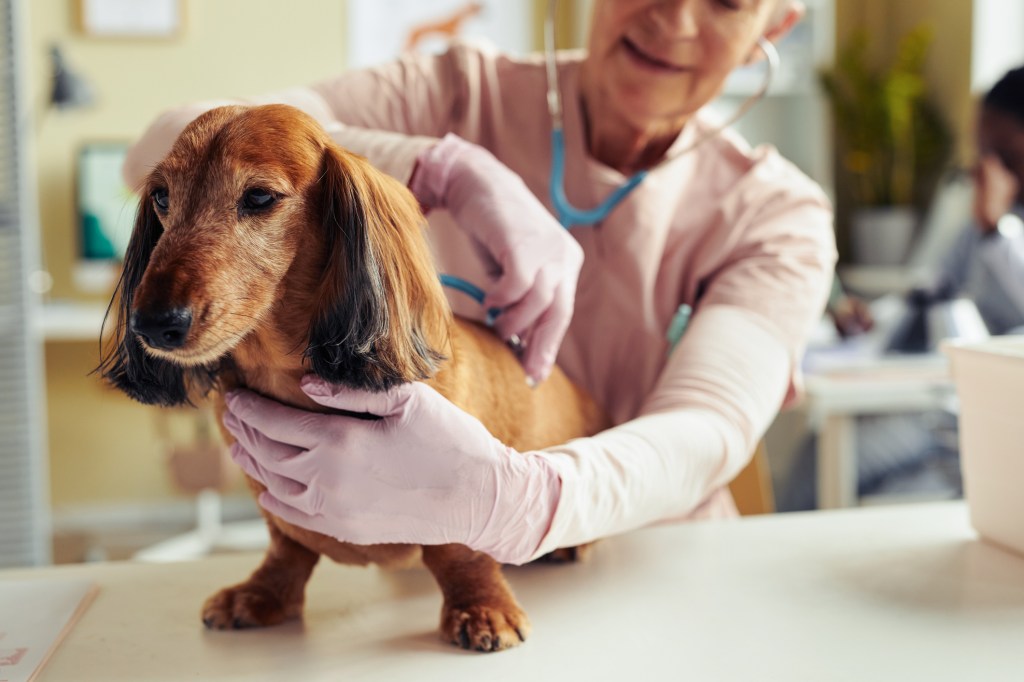
Regularly scheduled veterinary examinations are an important part of your dog’s health maintenance throughout their life. As they age, these exams become more important.
Your veterinarian will likely suggest a general geriatric exam, including blood work, fecal exam, and lab tests every six months. These exams are the best defense in catching and delaying the onset or progress of diseases and for the early detection of problems such as organ failure and osteoarthritis.
When preparing for the geriatric health exam, make notes about any changes you’ve seen in your dog’s activities or behavior. It’s important to write it down so that you don’t forget to mention a critical change while at the veterinarian’s office.
But don’t wait for the exam to talk to your veterinarian if you have questions or concerns about your senior dog’s health. What might seem like a small problem can quickly overwhelm an aged dog’s system.
Laboratory tests
Veterinarians depend on laboratory testing to determine many facets of your dog’s health. You should think ahead and have basic lab tests done when your dog is young and in good health. This gives your vet a baseline of your dog’s normal levels to help check for abnormalities as they age.
Subtle changes in new tests can help detect the presence of a disease in its early stages and may allow you to stop it, or at the least begin aggressive treatment to control it.
Once your veterinarian has established a baseline for your dog, you should have the tests repeated yearly. For geriatric dogs, testing every six months is recommended.
Vets tend to recommend the following basic tests for aging dogs:
Complete blood count
The complete blood count test measures the number of red blood cells, white blood cells, and platelets in a given sample of blood. The numbers and types of these cells help to diagnose anemia, infections, and leukemia.
It also helps your veterinarian monitor your dog’s response to some medical treatments.
Urinalysis
Laboratory analysis of urine is used to detect the presence of specific substances that normally don’t appear in urine, such as blood, protein, white blood cells, or sugars. Measuring their concentrations in urine helps in diagnosing diseases.
Urinalysis is also used to diagnose urinary tract infections, diabetes, dehydration, kidney problems, and many other potential health problems.
Blood chemistry panel
The blood chemistry panel measures electrolytes, enzymes, and chemical elements such as calcium and phosphorous.
This information is invaluable to your veterinarian in checking the function of organs such as the kidneys, pancreas, and liver.
Parasite evaluation
Microscopic examination of your dog’s feces can help detect various problems, such as digestive difficulties, internal bleeding, and pancreatic disorders. The most routine function of this test is confirming the presence of intestinal parasites, such as whipworm, hookworm, roundworm, tapeworm, and giardia.
Depending on your dog’s condition, your veterinarian may recommend other tests, such as blood pressure evaluation, heartworm check, urine protein evaluation, cultures, imaging (such as X-rays, ultrasound, and echocardiography), and special ophthalmic evaluations.
Additional testing may be necessary to further evaluate senior pets who show signs of illness or who are being prepared for anesthesia and surgery.
Sensory changes in senior dogs
As some dogs age, their humans will notice a gradual “slowing down” of their companions. Their major senses — sight, hearing, taste, touch, and smell — begin to dull, and they don’t respond as quickly to external stimuli.
This sensory perception loss is often so slow that you may not even notice it until, one day, you look at your dog and wonder, “When did you get so old?”
The best defense against aging is to keep your dog active. Daily walks, playtime, and training — while making allowances for your dog’s physical condition — are excellent ways to keep all of their senses sharp.
Some dogs also show signs of mental deterioration as they age. These age-related cognitive and behavior changes are generally subtle and can be addressed proactively.
Regular geriatric exams are vital to detect and treat these problems before they control your dog’s life.
Physical changes in seniors
The physical changes in your dog are generally easier to spot than the sensory changes. As their body begins to deteriorate, their ability to fight infection is reduced, and it takes longer to heal.
That means it’s crucial to consult your veterinarian if you notice a significant change in behavior or the physical condition of your dog. There are many signs indicating your dog is approaching senior citizenship status, but they can be indicative of a variety of different problems.
One of the most common and frustrating problems for aging dogs and their humans is inappropriate elimination.
The kidneys are one of the most common organ systems to deteriorate in dogs, and as a result, your once well-behaved dog may have trouble controlling bathroom habits, especially if left alone for a long time without access to the outdoors.
You may also notice they dribble urine while sleeping. This is stressful for both you and your dog. Excessive urination or incontinence could indicate diabetes or kidney failure, both of which can be treated if caught early enough.
Nutrition
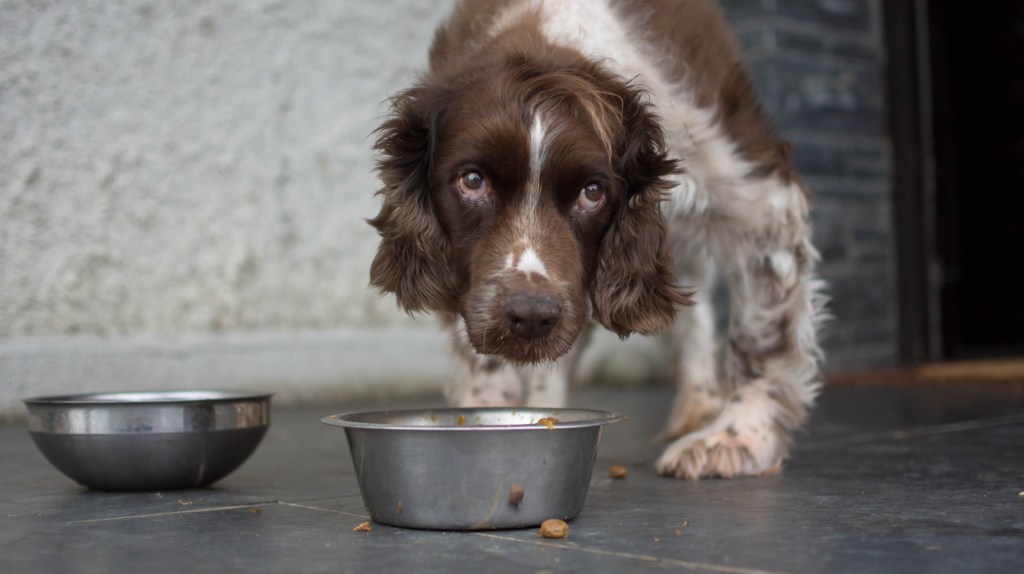
Your older dog may benefit from one of the specially formulated foods designed with them in mind. Obesity may become a problem as you continue to feed your dog their normal diet while their exercise time is reduced.
Obesity is a major risk factor for problems such as heart disease. Since older dogs often have different nutritional requirements than younger dogs, these special foods can help keep your dog’s weight under control and provide the correct balance of nutrients required for their changing body.
Talk to your vet about formulating an appropriate diet for your senior.
Exercising your senior dog
Exercise is an important aspect of preventive geriatric care for your dog. A dog denied regular physical exercise will experience bodily deterioration much faster than a dog who continues to exercise.
While you may have to cut back on the intensity of the exercise, try to keep to a regimen geared toward your dog’s abilities. A dog exposed to regular mental and physical activities will retain their vigor and stay mentally sharp.
Surgery for older dogs
If your geriatric dog needs a procedure performed that requires anesthesia, special care should be taken to ensure their safety.
Most veterinarians recommend that the laboratory testing described above be performed within two weeks of a dog being anesthetized. Additional tests, such as a blood pressure evaluation, may be recommended depending on your dog’s special needs.
These screening tools provide critical information to help determine the proper anesthesia and drug protocol for your dog, as well as alert you to any special risk factors that might be encountered.
Geriatric pain management
Dogs experience pain just as we do, and your veterinarian can take steps to identify, prevent, and minimize pain in your senior dog. Veterinarians consider pain assessment as the fourth vital sign to check for at every vet visit, along with temperature, respiration, and pulse.
There are different types of pain, such as acute pain (which develops suddenly as a result of an injury, surgery, or an infection) and chronic pain (which is long-lasting and usually develops over time, such as chronic arthritis pain).
You should monitor your dog closely, watching for signs that indicate they may be in pain.
To help ensure a comfortable senior citizenship for your dog, it’s critical you and your veterinarian tailor the best lifestyle and wellness plan for your senior dog.
Careful monitoring of your dog’s behavior and physical conditions on your part, along with regular consultation with your veterinarian about any potential problems, will help your dog, and you, enjoy their twilight years to the utmost.
Signs of a problem
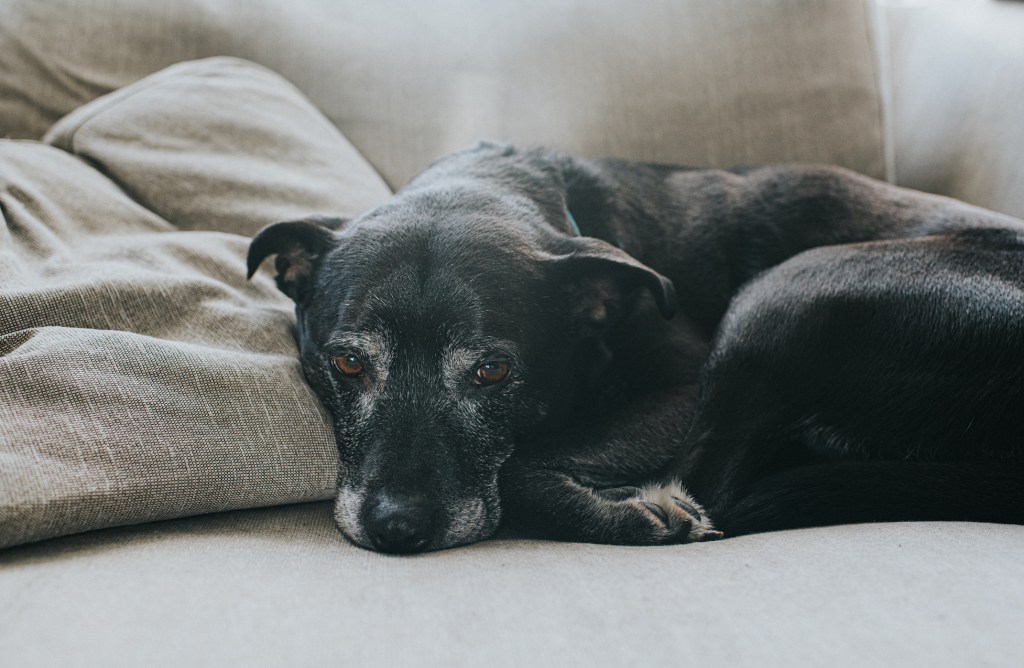
The following symptoms may indicate an array of different ailments or may be temporary conditions that will pass on their own.
Either way, careful monitoring to assess your dog’s condition is very important, so be on the lookout for these signals:
- Significant increase in water consumption or urination for no reason
- Sudden weight loss or gain
- Decreased appetite or failure to eat for more than two days
- Marked increase in appetite
- Repeated vomiting, or blood in vomit
- Diarrhea for more than three days
- Difficulty in passing stool or urine
- Inappropriate elimination
- Unexplained lameness lasting more than five days or lameness in more than one leg
- Marked decrease in vision
- Open sores or scabs lasting more than one week
- Foul mouth odor or excessive drooling
- Increased abdomen size
- Increased inactivity or excessive sleeping
- Abnormal hair loss, especially if accompanied by scratching or if in specific areas
- Excessive panting
- Reluctance or inability to chew dry food
- Blood in stool or urine
- Sudden collapse or weakness
- A seizure or convulsion
- Persistent coughing or gagging
- Heavy or rapid breathing while resting
As your senior dog ages, give them extra care, as well as love and attention. They deserve it for all the unconditional love they’ve given you. While they may not be as active, sharp, or excited as they once were, your dog will always see you as the love of their life.