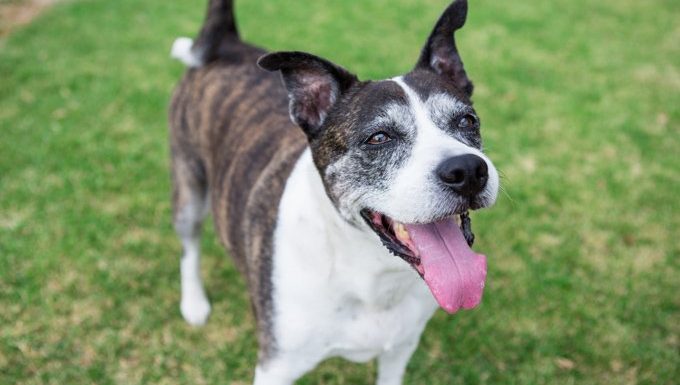
Osteoarthritis and other types of arthritis are often assumed to be senior dog diseases. While symptoms of arthritis certainly do strike dogs in their golden years, younger dogs are susceptible, too.
Arthritis is inflammation in a joint or many joints. It gets worse over time, and symptoms may begin as simple morning stiffness and progress to lameness and swollen, painful joints.
The good news is that while arthritis is incurable, treatment can make your dog feel a whole lot better. You should consult your veterinarian if you see the signs of arthritis in your dog to form a treatment plan.
Here’s what you should know about the types, symptoms, causes, and treatments for arthritis in dogs.
Causes and types of arthritis in dogs
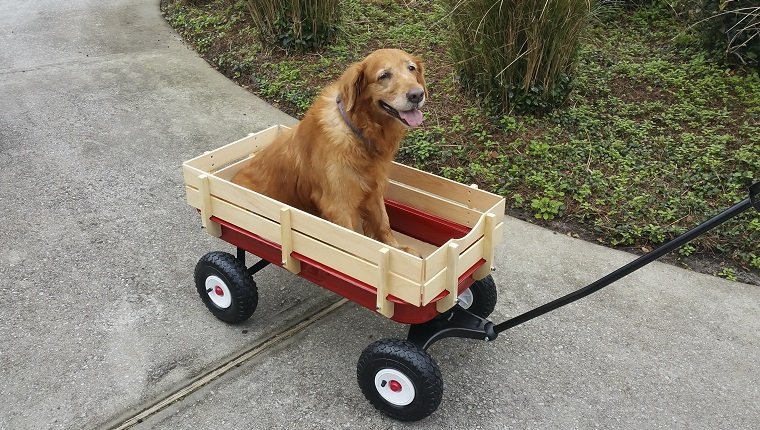
There are three main types of arthritis, each triggered by different factors:
- Osteoarthritis may be a result of age but can also be caused by a joint injury or another condition — such as hip dysplasia or a ruptured cruciate ligament — in younger dogs. Heavy stress on joints, like jumping over obstacles or strenuous exercise, can also be a culprit. It’s common in many large-breed dogs, and overweight dogs are more susceptible because of the increased pressure on their joints.
- Immune-mediated arthritis occurs when a dog’s antibodies, which should keep the dog healthy, are instead directed at their own connective tissue. It can result in the destruction of the joint and cartilage, or it may cause only inflammation in the joint.
- Infectious arthritis is caused by infectious diseases such as Lyme disease or Rocky Mountain spotted fever. Another cause is bacteria entering the bloodstream from an infected wound.
Symptoms of arthritis in dogs
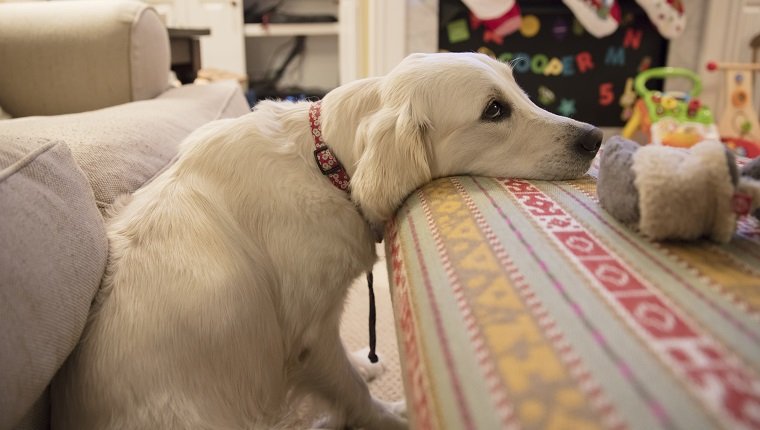
Symptoms of arthritis in dogs are often difficult to recognize at first. Dogs can’t tell you how they’re feeling, and usually arthritis symptoms begin so mildly that pet parents don’t even notice.
They do, however, worsen with time.
Here are some symptoms of arthritis in dogs that you should look out for:
- Disinterest in exercise
- Hesitation or reluctance to climb on stairs or furniture
- Trouble rising when lying down
- Sleeping more than usual
- Yelps or shows signs of pain when touched
- Morning stiffness that improves throughout the day
- Swollen joints
- Weight gain
- Depression
- Lethargy
- Loss of appetite
- Joint deformities
- Unusual posture when walking
- Lameness in one or more limbs
Treatment for arthritis in dogs

Treatment for arthritis in dogs begins with a proper diagnosis. Your vet can make a diagnosis using X-rays, blood work, and an analysis of joint fluid.
X-rays are also important for monitoring the disease’s progression and for adjusting treatments to keep your dog as pain-free as possible.
If X-rays indicate a deformed joint is causing the problem, your vet may recommend surgery, which can halt the progression of the disease. Typically, your vet will prescribe medications and painkillers.
If your vet prescribes drugs or a new diet, then you may want to see if you can can fill the prescription online at Chewy’s pharmacy and have the items delivered.
You must consult your vet before attempting to treat your dog. Here are some treatments you may wish to discuss:
Drug treatments:
- Painkillers such as Rimadyl are popular and well tolerated by most dogs. If used long-term, your dog may need periodic testing to ensure their liver hasn’t suffered damage.
- Palaprin is “doggy aspirin.” It’s a buffered aspirin designed for dogs, and it can prevent the intestinal irritation that’s a common reaction to regular aspirin.
- Adequan is an injection given over a course of weeks. It’s a pain reliever, but it also helps repair cartilage damage while encouraging the production of joint fluid.
- Steroids such as Prednisone and Dexamethasone can reduce swelling and pain in joints, though long-term use can actually contribute to worsening symptoms.
Other treatments:
- A ketogenic diet has made a difference in the lives of many dogs suffering from pain. It’s cost effective and may work better than several prescription drugs that come with a long list of side effects.
- If trauma is the cause, surgery may be required to repair ligaments.
- Slimming down overweight dogs can ease the pressure on joints.
- Acupuncture has relieved pain in some dogs, and in the best-case scenarios, may reduce the need for medication.
- Dietary changes that include foods and supplements that reduce inflammation may also help relieve pain.
- Exercise can keep joints active and healthy. Just keep it fairly low-impact so it doesn’t make sore joints even more painful.
Click the bold links in the article to shop for your dog and support our content!