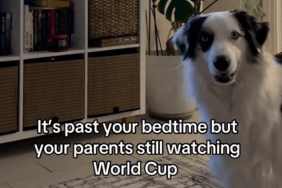
Dogs and humans are very different, but they do have this in common: adolescence — or their teenage phase — is often a rocky period. Like human teens, adolescent dogs explore their world and test their own abilities in ways you won’t always like. Similarly, they’ll test their — and your — limits pretty regularly during these teenage years. It may even feel like good habits and meticulous training during their puppyhood have gone straight out the window.
Like teenage kids, adolescent dogs are navigating their surroundings as their bodies change and their prefrontal cortexes continue to develop. So, get ready for your pup to start acting on thoughts and impulses like: “What’s on the other side of the fence?” “Can I boss these big dogs around?” “Can I catch that skunk or outrun that squirrel?” “What happens if I chase the neighborhood cat around the block?” “Who’s that great-looking Goldendoodle or hot little Havanese?” Essentially, you should settle in for this age where your dog will be their naughtiest self.
Table of contents
What age is adolescence for dogs?

What age does a dog stop being a puppy? When is a dog a — for lack of a better word — teenager? Perhaps more importantly, how long do their rebellious teen years last?
Just like humans, dogs can hit puberty at slightly different ages. So, yes, some pups are late bloomers. On average though, most dogs begin to go through adolescence around six months old. That said, some take up to a year. Thankfully, dogs typically are through their teenage phase by 18 months to two years of age.
Unfortunately, what turns out to be the most difficult age for dogs can, in turn, also be the most exhausting for their owners. Put differently, all this adolescent adventuring can be wearing on pet parents. In fact, most dogs abandoned at shelters are between eight and 18 months old — putting them at the height of adolescence.
The good news is, adolescence goes by much more quickly in canines than in people. And if you keep up with the guidelines that got you through puppyhood, as well as some new ones just for impulsive adolescents, you can keep enjoying your dog and lay the foundation for a happy life together.
What defines a dog’s teenage phase?
Adolescent dogs aren’t so very different from teenage humans, at least in attitude. They’re hyper, inattentive, exasperating, and driven by hormones — especially if they haven’t been spayed or neutered — but somehow lovable in spite of it all. And while you’ll hopefully always love your pet, you may — at times — be incredibly frustrated by them.
During adolescence, your dog will change and it’s best if you’re prepared for what’s to come.
Your adolescent dog may become disinterested in you
Don’t fret if your dog has become more interested in the big, wild world than they are in you. A dog who once happily bounded up to you when called may seemingly become deaf to the “come” command. They still love you. And, in a short time, you’ll resume being the apple of their eye.
They’ll have lots of energy
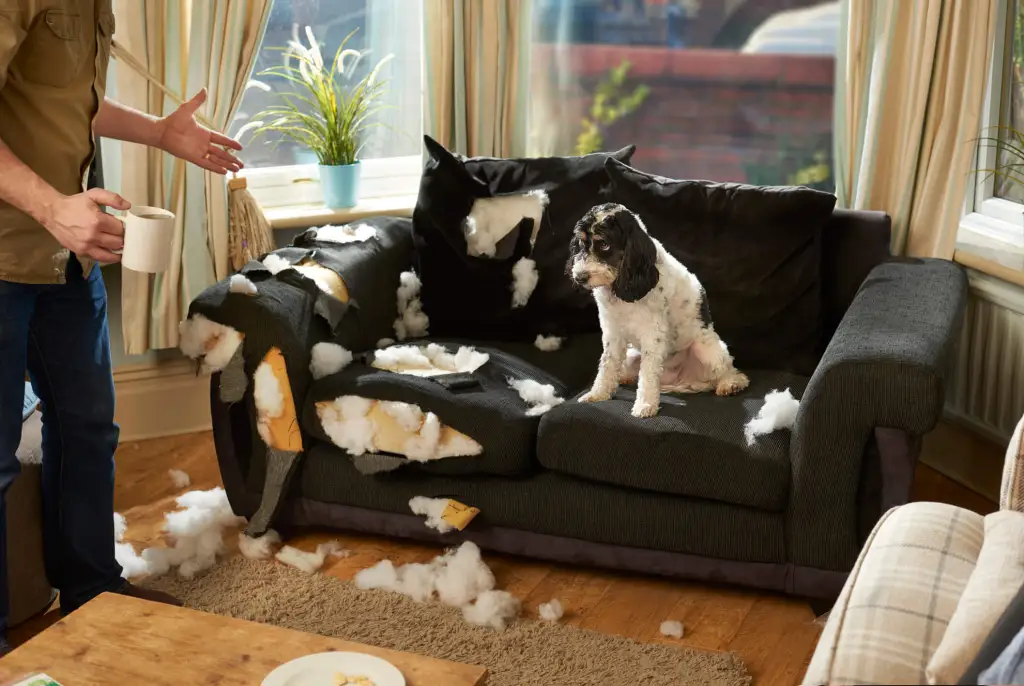
We’re talking about hyperactivity levels equivalent to around-the-clock Zoomies. As such, your pup will need a good amount of exercise to burn off all that energy. Without trips to the park or long walks, be prepared for potentially destructive behaviors to emerge.
Teenage dogs become sexually mature
Male dogs may become troublingly adventuresome. They could endanger themselves by hopping fences or darting out in traffic in search of a female dog in heat. Upsettingly, they may mark or urinate in the house to claim their territory. Females will mark too, but in an attempt to advertise their availability to males. Both may become aggressive with other dogs of the same sex. Spaying or neutering your dog will prevent these bad behaviors.
Be prepared for your dog to forget commands
During this adolescent phase, you’ll notice your dog has a very short attention span. Don’t be surprised if your dog completely ignores you or seems to have totally forgotten a command they knew backward and forward last week. You will have to repeat yourself, a lot. Their minds are elsewhere.
Adolescents are easily spooked
This might feel like the weirdest of changes, but be on the lookout for your dog to possibly become shy or frightened by everyday objects. Don’t force your dog to confront something that frightens them, but don’t coddle — and thereby reward — their fears, either. Their bodies are changing and they will react oddly and surprisingly to many things — even those once familiar to them — during this time.
Your dog will reach their adult height
They’ll finally be the full-grown version of themselves, mostly. That said, they may seem a bit awkward and gangly. Avoid the urge to chuckle if they walk, run, or collide with walls while learning how to navigate the world in their bigger bodies.
Teenage dogs lose their cottony puppy coat
Say goodbye to the super soft puppy coat. Accordingly, this might mean you’ll need to make some adjustments to their grooming routines. Prepare for more baths, more brushing, and possibly more money spent at the groomer. Depending on your dog’s breed, you may also need to get ready for your dog blowing their coat twice a year. A good vacuum and products meant to remove fur from your home or vehicle are worth the cost.
Behavior tips and things to keep in mind during your dog’s adolescent stage
Discipling our dogs is generally the last thing we, as pet parents, enjoy doing. Despite that, implementing some behavioral management strategies and a stricter tone might just make your dog’s teenage phase go by with a bit less fuss. Here are the top tips and tricks for dealing with a chaotic adolescent dog and what you should keep in mind during this time.
Use dog gates to keep teenage dogs at bay
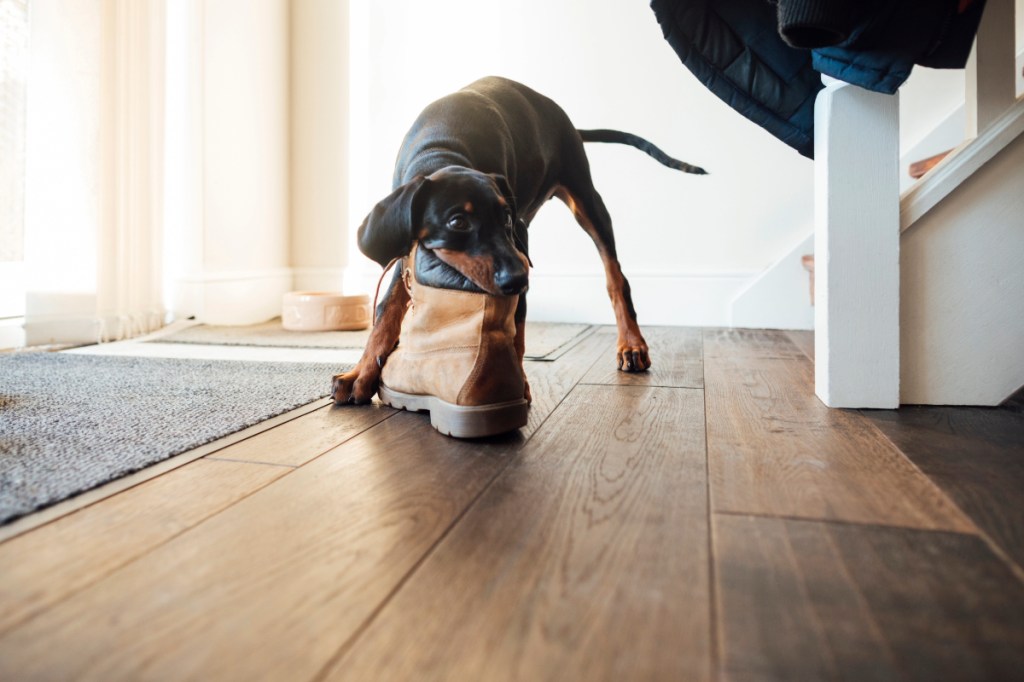
Keep your adolescent dog in a gated-off, puppy-proofed part of the house when someone can’t keep an eye on them. Adolescents are often chewing machines. If you’re at work all day, don’t be surprised if you come home to chewed through high heels or cables that were loosely draped beside your electronics. The damage your teenage dog can inflict might not only be expensive, but also dangerous to themselves and others. Not to mention, you could save yourself some heartbreak from seeing something of sentimental value covered in slobber and torn into in a million pieces on the floor.
If you have to go this route of using baby gates or keeping your pup in their own dog room during the day, just make sure they also get plenty of time to hang out and bond with the family when you’re home.
Tire your dog out
A tired dog is a well-behaved dog. Your adolescent probably has energy to burn, so give them plenty of exercise. Just avoid letting them run and jump on hard surfaces, such as concrete or brick. Your dog’s bones and joints are still developing, and the impact can hurt them. Stick to grass or dirt paths when helping your pup burn off calories and let out steam.
Be mindful of your adolescent dog’s short attention span
Keep training sessions short and fun. Use treats and toys, and be prepared to go back a few steps to practice things they’ve learned before. Your adolescent pup has a very short attention span, much like a human teenage. It may feel like you’re constantly repeating yourself, but that’s a totally normal part of training.
Be firm and consistent with rules
Be calm but consistent about house rules. Your dog is learning from you all the time, whether you want them to or not. Give a command only when you mean it, and kindly, gently insist that they obey. Try not to get slack about what is and isn’t okay when it comes to their behavior. It’s confusing for dogs and will delay their training progress. In the long run, that makes everyone’s life a bit more difficult.
Spend the money on obedience classes
Go ahead. Do it. Enroll in another obedience class. The guidance of a good trainer will help you get through adolescence, and so will the support of other people who are in the same boat with their “teenage” dogs. You don’t want to look back in a few years when your adult dog refuses to obey commands and wish you had just spent a few more bucks when it really counted.
Transitioning from teenage years to adulthood in dogs
The teenage years are tough for us all, so be mindful that your dog is just doing their best to adjust to new feelings, sensations, urges, and other bodily changes during their awkward period. Give them grace as they navigate this phase between puppyhood and adulthood.
If you understand this tumultuous adolescence phase and know how to handle it, you’ll continue to enjoy your pup and will come out the other side with a great adult dog.
Will your adolescent dog calm dog? Yes, at least to some degree if you implement the training tips and behavioral tools at your disposal.
As for when a dog is considered an adult, or even a senior, let’s just say you’ll know it when you see it. And you’ll be thankful when you do, but you’ll probably also miss the playful antics and pops of personality your pup shared during their teenage period. Think of that and remind yourself that any inconveniences or difficult days are just temporary moments in time during your dog’s transition to being their fully grown and developed self.
Discover more from DogTime
Subscribe to get the latest posts sent to your email.