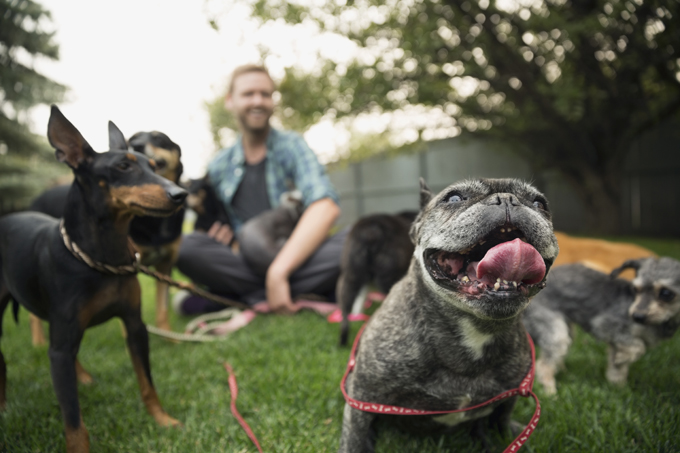
We all want our pups to live a long, happy, healthy life and there are things every dog parent can do to help make that happen. Here are 10 tips to help any dog feel happier and healthier.
1. Spay Or Neuter

Spaying stops a female dog from going into heat and can help prevent breast cancer and pyometra, or infection of the uterus. Neutering a male dog can mellow out aggressive behavior and help prevent testicular cancer, prostate disease, and hernias.
2. Vaccinate
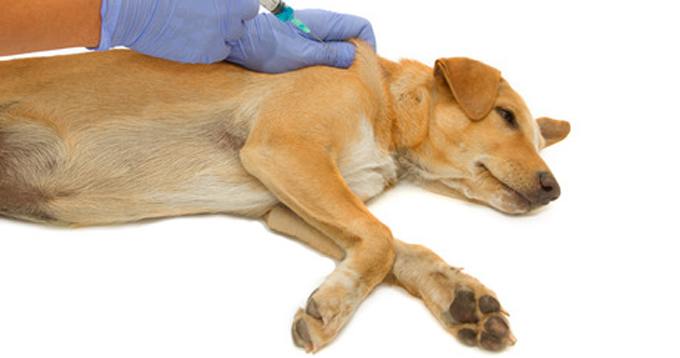
By three months of age, the protective antibodies naturally passed along through a mother’s milk have been used up and your puppy needs to be vaccinated to help protect him or her against many common infectious diseases, including leptospirosis, distemper and parvovirus, as well as a rabies vaccination. Your vet may also recommend vaccinations for kennel cough and Lyme disease. Vaccinations will save your dog’s life.
3. Visit Your Vet
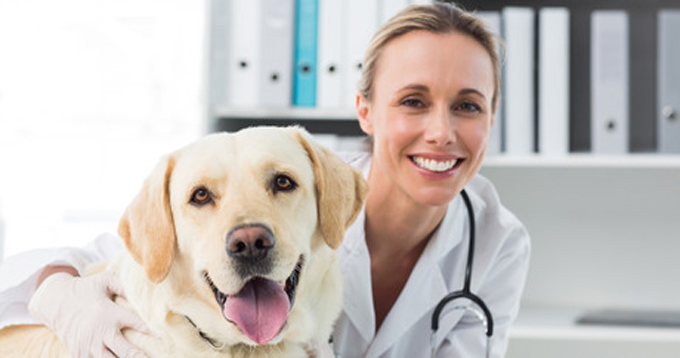
Like you, dogs need regular visits to the doctor to ensure good health. An annual health check gives your vet the chance to nip any illness or health concerns in the bud before they can cause big problems and bills. The vet will ask about your pet’s behavior, eating, and exercise habits, while checking your dog’s vital stats. Check at your local pet store for low-cost pet clinics that can help keep costs down.
4. Declare War On Fleas And Ticks
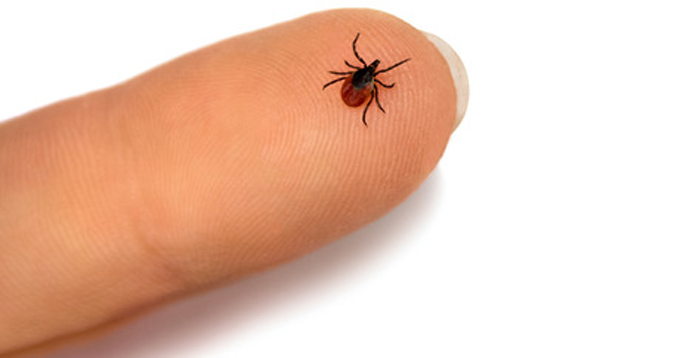
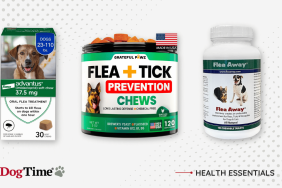
Fleas can cause health problems beyond itchy skin. They can be the source of allergies, anemia, and tapeworms. Fortunately there are a myriad of flea control products available, including Advantage and Frontline, two of the most popular. Monthly applications should be given based on the weight of your dog. Keep in mind when you are gearing up for your flea wars you must treat all your pets, not just the ones where fleas are obvious.
You especially have to be vigilant in warmer months and with global warming those warmer months seem to last longer and longer, which means you may need to extend those summer treatments.
5. Treat Heartworm By Preventing It

Heartworm is very difficult to treat and can be fatal for your dog so prevention is the key. Giving your dog one dose monthly of a tablet, like Heartguard, can stop heartworm before it starts.
6. Exercise Your Dog Every Day

And not just a quick jaunt around the block. Exercise through walking and playing with your dog will keep your little buddy physically fit, mentally healthy, and reduce the chance of belligerent and destructive behavior as well. Regular exercise also helps your dog maintain a healthy weight and heart, while increasing muscle mass. Your dog’s exercise requirements will be different depending on breed, sex, age, and health.
7. Watch Your Dog’s Weight
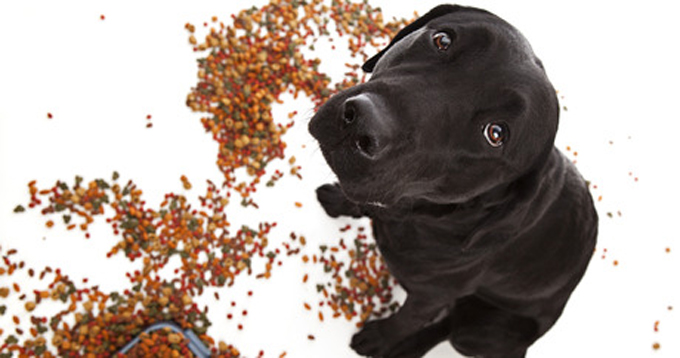
Lack of exercise and overfeeding is as much a problem in pets as it is in people. Your dog cannot decide how much exercise he or she needs or what kind of food is best to eat; only you can do that. Arthritis, liver disease, and coronary disease are just a few of the health issues facing an overweight dog. To help your dog lose weight, your vet may recommend a mix of exercise and switching to a low-calorie brand of food, or gradually reducing the amount of regular food you feed your dog. If your pup is overweight talk to your vet to figure out the best course of action.
8. Weekly Health Checks
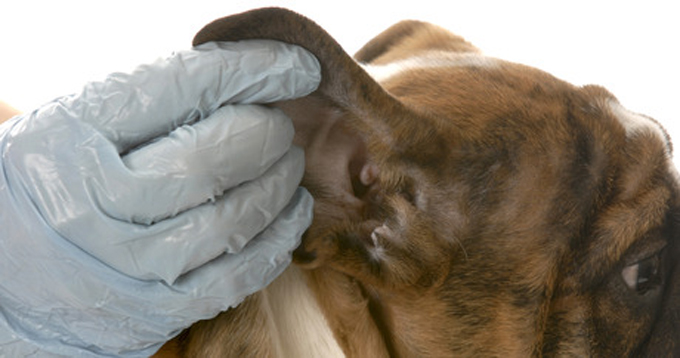
One of the best ways to prevent health issues is to check up on your dog weekly. First, inspect your dog’s coat and skin for swelling, flakes or scabs. Then look into your dog’s ears and eyes for any signs of redness or discharge. Finally watch for any changes in eating or drinking habits. If anything differs from what’s normal for your dog, consult your vet.
9. Stay Away From Dangerous Foods

The ASPCA Animal Poison Control Center compiled a list of foods that could be dangerous, even poisonous for your dog: alcoholic beverages, chocolate, avocado, coffee, fatty foods, macadamia nuts, spoiled or moldy foods, onions and onion powder, grapes and raisins, salt, garlic, yeast dough, and products sweetened with xylitol. Post this list and be sure your family and any caregivers are aware of it.
10. Brush Those Teeth!
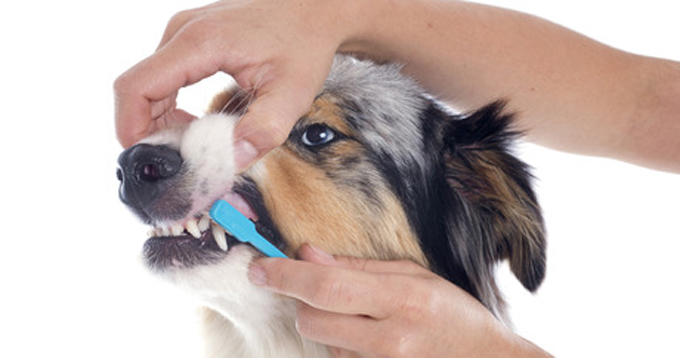
Bad breath can be a sign of teeth or gum problems. Particles of food, saliva, and bacteria known as plaque can build up on the gums and teeth and cause infection. If you don’t treat this, infection can result in tooth decay and even move into the bloodstream and affect your pet’s heart, lungs, liver, kidneys, bones, and joints. Inspect teeth and gums weekly, and check with your vet for instructions on regular brushing with canine toothpaste.
Source: Adapted from the ASPCA