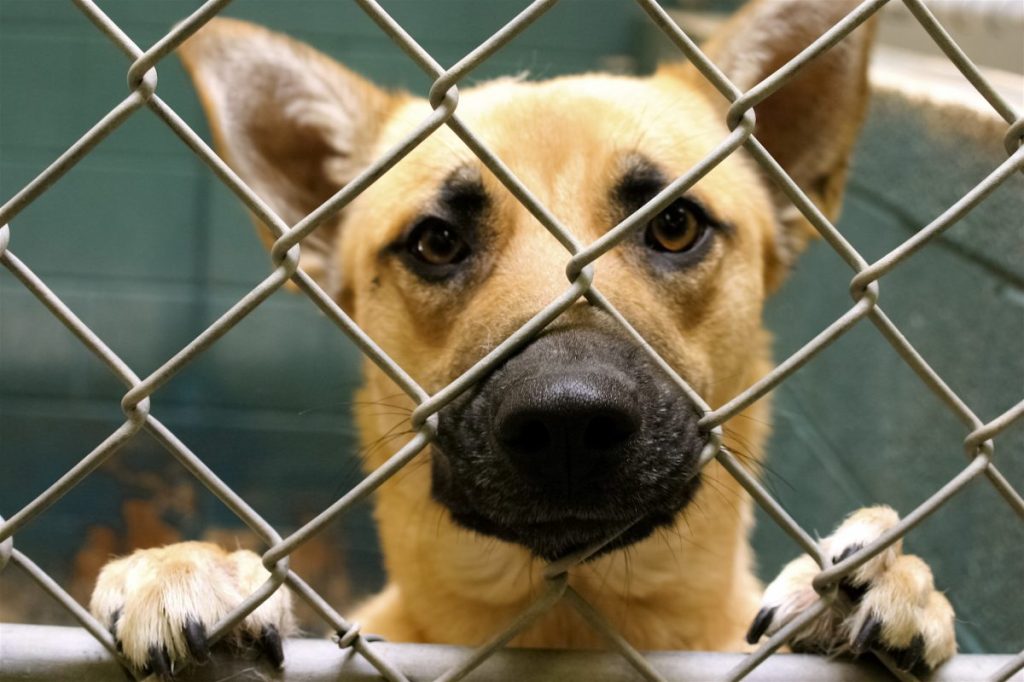
7 hard-learned lessons about animal shelters, euthanasia, and the No Kill movement

Monday May 9th, 2011

  • Share on Facebook

Introduction to the series

by Leslie Smith, DogTime editor

Every day in this country, a population the size of the capital of Vermont dies at the hands of humans. Every single day, 10,000 companion animals are put to sleep. Not because they are dangerous or unhealthy, but because nobody wants them. Four million dead dogs and cats per year because we have yet to institute a better solution. Some say euthanasia, others say massacre.

There is much debate over who bears responsibility for these deaths, and there is passionate discussion as to how to humanely unburden our overcrowded shelters. There is no shortage of opinions, but sadly, adoptable animals continue to die.

One of the voices in the discussion belongs to the country’s growing No Kill movement, which seeks to eliminate the euthanasia of “healthy, treatable” animals. Its goal — a “live release rate” of 90%* of all animals who enter private and municipal shelters — is lauded almost universally. But the intricacies of how, and even if, this percentage can be achieved are at times controversial, complex, and misunderstood.

This series recounts my struggle to understand the gray areas of the No Kill movement. It’s not a substitute for the volume of material on the subject already out there. Rather, it’s a personal journey involving ten years of volunteering in shelters, along with much researching, reading, interviewing, and ultimately, soul searching. Its purpose is to explain where I’ve landed on these issues, how I got there, and where I see solutions. Undoubtedly, I will ask more questions than I answer.

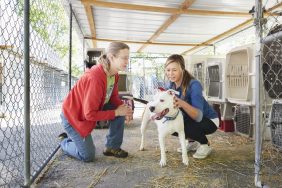
When I started down this track many years ago, I knew little about shelter life and had no background in animal welfare issues. My volunteer experience began even before I had a dog of my own, well before I became a vegetarian and then an ethical vegan. Since then, I’ve become intimately involved with the staff and residents in shelters and sanctuaries across the West and Southwest. I’ve cheered as dogs I never expected to see adopted went home to loving families, and I’ve sobbed witnessing the life waft from bodies of perfectly healthy animals. That said, I do believe there are blurry lines when it comes to making decisions for other species about living and dying.

The anecdotes at the beginning of each segment aren’t meant to demonize — or deify — shelters (or those of us who work inside them), only to offer a glimpse of reality. My goal is not to convince anyone to join a movement or take on a label. The intent is simply to share what I’ve gleaned in hopes of explaining DogTime’s editorial point of view — and to move us one step to closer to becoming a more humane nation.

Editor’s note: I’m infinitely grateful to Nathan Winograd, Michael Mountain, Richard Avanzino, and Helga Schimkat for providing me context, background, and insight. And I thank them for giving to me their time — graciously, readily, and free of charge.

*There are as many definitions for No Kill in this country as there are shelters. For the purposes of this article, I will refer to 90% as the minimum live release rate, the number used by the No Kill Advocacy Center.

Next week's installment: No Kill is a simple concept — why all the debate?

More dog Content
Dede

Every dog I have ever had were strays, "freebies" or shelter pets. And they have all been incredibly unique, in looks and disposition. I would never consider breeding them, or aquiring a dog or cat from a breeder; there are so many exceptional pets out there and since all dogs give so much to us shouldn't we return the favor, even before we get to know them as individuals?

about 1 year ago by Dede

lsie

I have 2 Jack Russell terriers so I can't have cats inside the house. For the last 5 years I have been feeding 3 strays that we caught and released with the help of a great organization that spayed and neutered them for free along with needed shots and to this day they are healthy looking with shiny coats. We provide a shelter under the deck with a heating pad during the summer and as a bonus have not been pestered with mice. We get a few visitors to the food once in a while but the 3 are alway around our house. The organization clips their ears so that they can be recognized as fixed. I was shocked when I had to get one fixed by my vet and she didn't want to clip her ears because she thought that she should be inside the house. Not an option, she was at least 3 or 4 at the time with one or 2 litter a year in her past so the only other option was the shelter where she most likely would have been euthanized. To this day she will never approach us when we feed them while the other 2, her daughter and granddaughter, will let us pet them. This has proven to me that if you are willing to take on the responsibility of feeding and sheltering them, catch and release is the best option for the large stray cat population. I have left for up to 3 days and somehow they find food somehow on their own when they are left alone. At least they are still alive and well.

about 1 year ago by lsie

Pamela

It's been my experience that many potential adopters fear shelter animals have already been "thrown away" once and don't want "someone else's problem." Reassuring them, and giving them the tools to help a new animal settle into their home, would go a long way.

about 1 year ago by Pamela

Kristin

I have several dogs adopted from our local County Shelter. Adoption fees there for dogs/cats are $65. Those $65 covers rabies vaccine, parvo-distemper vaccine, avid chip, dewormer, spay/neuter, and if an adult dog it also includes a heartworm test and for adult cats feline leukemia test. No one is judged there, the application form is simple. It asks for your name, your address, your phone 3, how long you have lived where you are at, if you own or rent and how many animals you already have. I have never seen anyone get turned down based on anything we see in the application. The only thing I know we turn people down on is if they have previously adopted an animal from us and failed to bring that animal back for spay/neuter or if there has been some kind of cruelty cases involving them.

about 1 year ago by Kristin

AD

Comments and Perspectives


"I give volunteers a lot of credit. When I go to a shelter, my heart always sinks. I always want to take these cats and dogs home with me. I also feel a deep anger at the people who relinquish their pets. I just don’t understand how they can do that."

Michele C. Hollow, Pet News and Views


"I often talk to people about why they're reluctant to visit shelters. Many say they're just overwhelmed by the number of shelter animals and the guilt they feel by only selecting one...so they completely avoid shelters and instead opt for a 'happier' experience at a pet store or through breeders. I think the move toward No Kill will help make shelter adoption a happy choice."

Paris Permenter, DogTipper

Hills-cat-nutrition-center-300x90

Welcome to DogTime.com

DOGTIME LOGIN or SIGN UP

AD
AD