
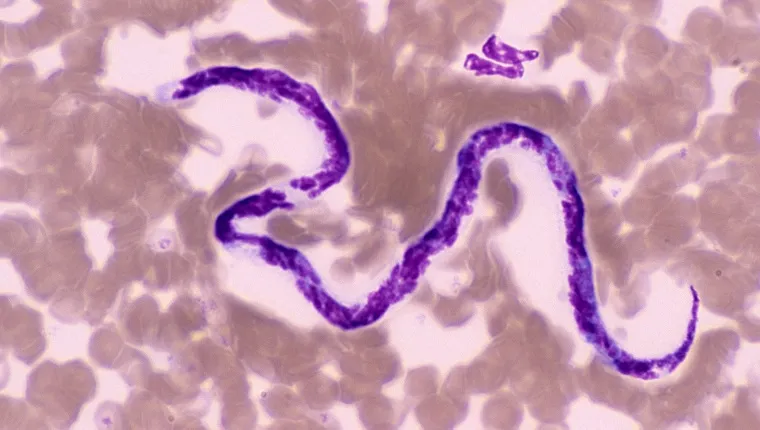
Heartworms are exactly what they sound like: thin, spaghetti-like worms that can grow up to twelve inches long and that live inside the dog’s heart. Untreated, they can lead to congestive heart failure.
Heartworm disease isn’t a wait-and-see proposition. Prevention is part of taking good care of your dog. Even if your dog spends little time outside, there’s a good chance they’ll become infected without treatment. It’s that common.
Luckily, heartworm disease is one on a long list of problems that dog parents have the power to prevent. Even dogs who become infected with heartworms stand a very good chance of recovery — but only with treatment, which can be expensive.
As with all diseases, earlier is better when it comes to diagnosis. You must talk to your veterinarian about heartworm prevention and treatment.
Here’s what you should know about the symptoms, causes, and treatments for heartworm disease in dogs.
Symptoms Of Heartworm Disease In Dogs
If you haven’t had your dog tested for heartworm, you should schedule an appointment, even if you don’t notice any signs of infection. Without testing, early detection can be difficult because there may be no visible symptoms.
Dogs with mild heartworm disease may simply have a slight cough.
Those with moderate cases often begin to show intolerance toward exercise and may produce abnormal sounds in the lungs.
As the disease progresses, the dog may become lethargic, lose their appetite, and lose weight.
Causes Of Heartworm Disease In Dogs
An infection starts when a mosquito carrying heartworm larvae bites the dog.
The larvae burrow beneath the skin and molt two times, eventually emerging as immature worms inside the body. This process takes 50 to 68 days.
After their immature phase, they travel through the bloodstream to the right ventricle and pulmonary arteries. Heartworms mature in about six months and can live as long as five years.
Dogs with a heavy heartworm infestation may have as many as 250 worms. But even a few are too many.
Treatment Of Heartworm Disease In Dogs
Standard tests for heartworm disease include a heartworm antigen test that detects the presence of adult female heartworms, or a microfilarial concentration test that checks for immature worms.
Because of the evolving lifecycle of a heartworm, false negatives aren’t uncommon. For instance, as many as 25 percent of dogs with heartworm will produce a negative result in the microfilarial concentration test.
This is what’s known as an occult infection. It may mean that a heartworm preventative is killing the immature worms, but adult worms may still be present. Therefore, if you suspect your dog has been exposed, the vet may run more than one test.
If your vet determines that there is an infection, they may recommend an ultrasound or an X-ray, which is the best way to determine the severity of the infestation.
Treatment has two goals: kill adult heartworms, and kill all microfilariae, or immature worms. Dogs with mild or moderate cases of heartworm disease usually do very well with treatment.
In adult dogs, vets usually inject medication to kill heartworms. They may then give dogs several days of rest before administering necessary follow up injections over the course of a few more days. Sometimes it’s best if dogs remain in the hospital for a time following injections.
In the case of elderly dogs, your vet may recommend not treating heartworm disease because the increased risks to the dog’s health from the dying worms may be too great. There is a risk that the dying worms can cause a blockage of the blood vessels, which can be fatal in severe cases.
Once home, exercise will be off-limits for a period of time, and as the dog recovers over the next one or two months, only leash walking will be allowed.
Prevention
Your vet will test for heartworms during annual checkups and recommend a preventive course of treatment. Infection and reinfection are prevented by the use of preventive heartworm medicine, which will eliminate any microfilariae present.
The American Heartworm Society now recommends year-round heartworm protection in all areas of the country. One reason is to get dog parents into the habit of consistent prevention. But mosquitoes may appear at unusual times, too, such as during a warm spell in winter or early spring.
Many preventive treatments are available, including chewables, tablets, and topical treatments. Ask your vet for recommendations.
Do you give your dog heartworm prevention treatment? What does your vet recommend? Let us know in the comments below!