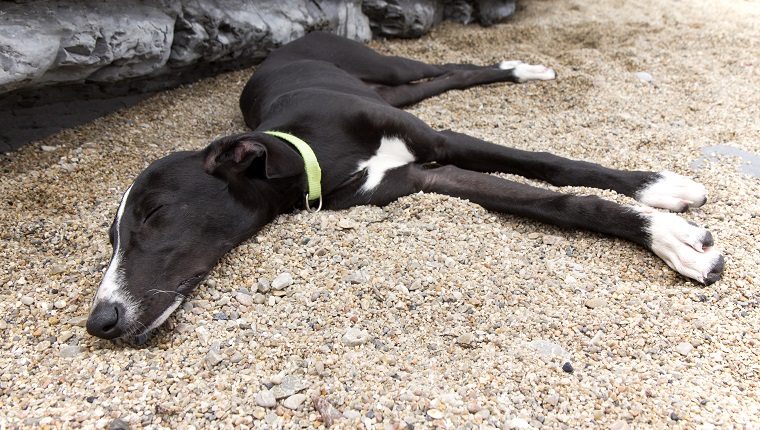
Epilepsy in dogs is a neurological condition marked by an abnormal burst of electrical energy to the brain, which causes the body to malfunction in several ways. Dogs may lose consciousness during an epileptic seizure, but not always.
Epileptic attacks can recur anywhere from monthly to several times a day, and you may not be able to find any triggering event or condition. When a seizure passes, so does the immediate danger — but there’s no question that it’s time to see the vet for a thorough examination.
If a seizure lasts more than five minutes, call the vet or go to the emergency center right away.
Here’s what you should know about the symptoms, causes, and treatments for epilepsy in dogs.
Symptoms Of Epilepsy In Dogs

The signs of epilepsy in dogs can be alarming, to say the least. There are few things more terrifying for a dog parents than to see a beloved pet suddenly fall on their side, legs stretched straight and rigid, head twisting, lips pulled back to expose their teeth.
These are classic signs of a grand mal seizure, and they can make for an endless few minutes. An hour later, your dog may be romping through the yard while you’re still trying to settle your nerves.
Because much of the diagnosis and treatment of epilepsy depends on the dog parent’s ability to provide a vet with details, it’s important to write down as much as you can about the episode as soon as it’s over.
Types Of Seizures In Dogs
Here are signs of the most common types of seizures; all of them warrant a trip to the vet:
- Generalized seizures. The dog falls down and may lose consciousness. The limbs extend rigidly, and breathing may stop for ten to 30 seconds. The dog may begin paddling their limbs and making chewing motions. They may salivate, urinate, or defecate. However, it’s possible for the symptoms to seem mild enough that you notice very little change.
- Partial seizures. These begin with one area of the body, such as a jerking movement in one limb, facial twitching, or turning the head or bending the body to one side. It may or may not progress to a generalized seizure, so it’s important to note how it begins.
- Complex partial seizures — also called a behavioral or psychomotor seizure. In humans, these are associated with distortions of normal thought processes, leading to fear and possibly accompanied by strange visions, smells, or sounds. These frightening seizures may be similar in dogs, who exhibit aggression, biting at imaginary flies, running and hiding or cowering, flank biting, diarrhea, vomiting, or unusual thirst or hunger.
- Cluster seizures. These can occur in bunches and appear as any of the above, with short periods of consciousness in between. Seizures of this type require immediate medical attention.
- Status epilepticus. These appear to be single seizures that last half an hour or more. The main difference between these and cluster seizures is that there are no periods of consciousness between episodes. This is life-threatening and requires immediate attention.
Stages Of Seizures In Dogs
There are three stages to a seizure. It’s easiest to identify the three stages during a generalized seizure:
- The aura phase signals the start of a seizure. Dogs may show signs of nervousness, trembling, hysterical running, and apprehension.
- The ictus phase is the actual seizure itself. It includes the classic symptoms of rigid muscle tone described above.
- The postictus phase is marked by confusion and disorientation. Dogs may be conscious but not yet functional.
Causes Of Epilepsy In Dogs

Some three percent of dogs have idiopathic epilepsy, meaning there’s no known cause. These account for 80 percent of epileptic seizures.
Epilepsy is an inherited disorder in some breeds, including Beagles, Dachshunds, Keeshonds, German Shepherds, and Belgian Tervurens. These dogs will usually start showing symptoms between six months and five years of age if they have the condition.
Other causes of canine epilepsy can be wide-ranging, including:
- Past trauma to the head
- Exposure to toxic materials
- Infections, such as distemper or encephalitis
- Metabolic causes, such as hypoglycemia or liver failure
- Brain tumor
- Degenerative diseases
Treatment For Epilepsy In Dogs
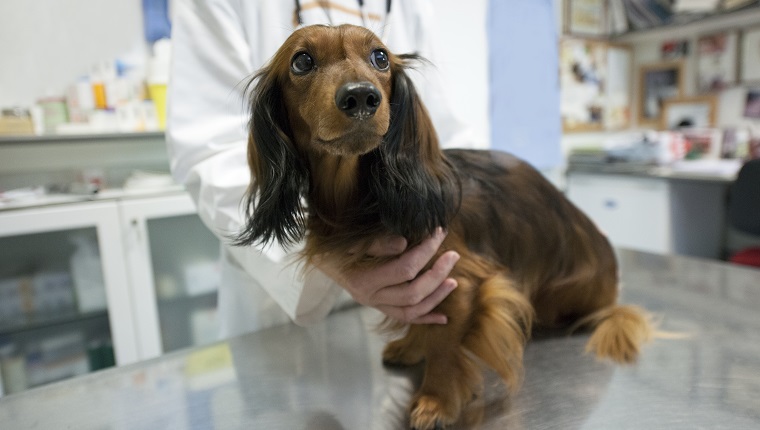
To treat and diagnose epilepsy in your dog, your vet will begin with a complete physical and neurological exam and then will probably take a blood sample, a urinalysis, and other tests.
Epilepsy can’t be cured, nor can it be prevented in most cases when the cause is idiopathic, or unknown. However, there are a number of drugs available that can help control symptoms. Once diagnosed and treated, there’s a good chance your dog can go on to live a fairly normal, healthy life.
Phenobarbital is the drug most often prescribed for canine epilepsy. It can be given in liquid or pill form, typically twice a day. It’s very important to be vigilant with treatment and never to take a dog off a drug “cold turkey,” as this can trigger a bad seizure. Phenobarbital is available only with a prescription.
Some dogs, especially those with liver disease, are prescribed potassium bromide. Valium is another drug used to treat epilepsy when a dog doesn’t tolerate phenobarbital well, or it may be used together with other medications.
Your vet can advise you and prescribe treatment. They may also recommend that you block off stairs or dangerous places in the house where a dog might fall and injure themselves during a seizure. Follow your vet’s instructions closely.
Does your dog suffer from epilepsy? How do you treat it? Let us know in the comments below!