
Ear infections are one of the most common medical issues for dogs, and they can present concerning symptoms. Luckily, most canine ear infections clear up easily with treatment.
There are two different types of ear infections generally seen in dogs. The first is otitis media, which affects the middle ear, and the second isotitis externa, which is an infection of the outer ear canal. Your veterinarian can successfully treat either of these ear infection.
The problem comes when dog parents do not treat the infection quickly and efficiently; then serious issues — and damage — can result. If you see signs of ear problems in your dog, you must get to your vet for treatment.
Here’s what you should know about the symptoms, causes, and treatments for ear infections in dogs.
Symptoms Of Ear Infections In Dogs
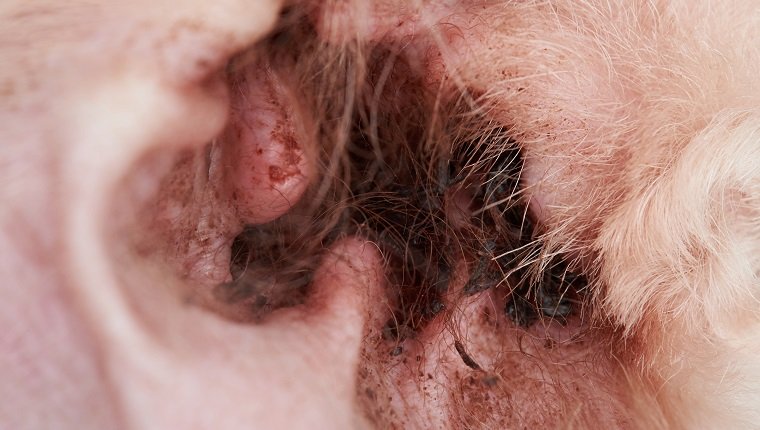
The symptoms of ear infections in dogs range from mild to complicated, especially if treatment isn’t pursued immediately.
Since ear infections are generally uncomfortable, even painful, you will probably see behaviors in your dog that include:
- Scratching at the ears
- Rubbing ears on the ground or furniture
- Shaking the head
- Tilting the head to one side frequently
If you look at the ear, you may discover the following:
- Redness
- Inflammation
- Crusting
- Hair loss
- An unpleasant odor
- Discharge that is black or yellow in color
As the condition worsens, you may notice the following signs in your dog:
- Loss of balance
- Walking in circles
- Hearing loss
If you see any of these signs in your dog, it is time to call the veterinarian for an examination and possible treatment plan.
Causes Of Ear Infections In Dogs
Different types of ear infections in dogs have different causes.
In the case of otitis externa, the most common cause is bacteria or yeast accumulating in the area. Other possible culprits are matted hair settling in the ear canal, a wax buildup, a foreign object, or debris.
An ear infection can also occur if your pet has a tumor or an infestation of ear mites. Additionally, otitis externa can begin as a problem in another part of the body, which can travel to the ear as a secondary infection.
Infections in the middle ear, the otitis media, usually occur when an outer ear infection spreads inward. If the eardrum ruptures for any reason, such as improper cleaning, a foreign substance, or ulceration, this type of infection can reach the middle ear area, as well.
Ear infections are more common in dogs who have certain types of ears. They can be seen much more often in the floppy-eared breeds such as Basset Hounds and Cocker Spaniels, but they’re also diagnosed frequently in types like Schnauzers and Miniature Poodles because they have hairy inner ear flaps.
Diagnosis And Treatment For Ear Infections In Dogs
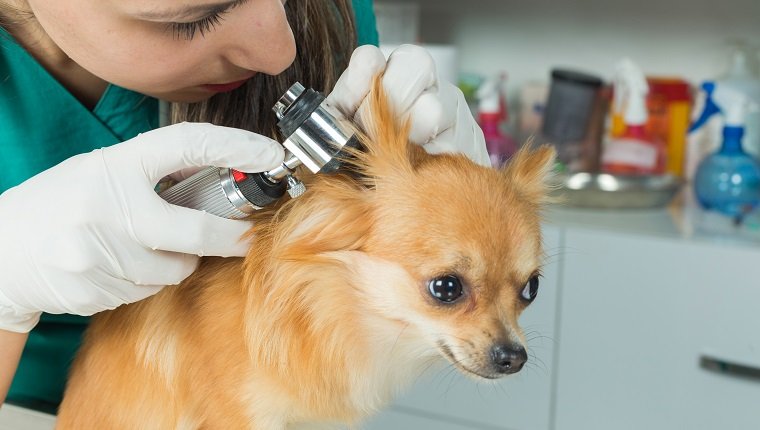
Treatment of ear infections in dogs depends on the source of the infection. Your veterinarian will first try to diagnose the type of infection, whether a foreign body is involved, and whether the eardrum has ruptured.
This will affect the choices in medication that they may prescribe for your dog. Your vet will most likely use an otoscope to view the ear canal — much like a doctor will do for a child with a suspected ear infection.
If the infection is particularly painful, and your dog does not want their ear examined, your vet may use sedation or anesthesia to make the exam more comfortable for your pet.
The next step in the exam will probably be cytology, where the vet removes a sample from the ear canal and examines it under a microscope. This way he can determine the type of organism that is causing the infection, and prescribe the most effective medication for your pet.
If more than one organism is involved, more than one medication may be necessary to fully clear out the infection. Antibiotics are usually prescribed in the case of bacterial infection.
If your vet finds a foreign substance, a tick, or a buildup of some sort inside the ear canal, they will probably sedate your dog to remove the object or substance and give the ear a thorough cleansing.
If the infection is found in the middle ear area, treatment may be more involved since this type of infection can be harder to get rid of. Your dog’s exam in this case may include x-rays, lab tests, and even surgery in some cases.
An infection like this may take up to six weeks to clear completely, and you’ll be required to limit your dog’s activity during this recuperation period.
Get Treatment Early
It’s important to note that the longer an infection is allowed to thrive before treatment, the harder it will be to cure. With that in mind, you should take your pet to the vet at the first sign of a problem.
Keep your eyes open for the telltale signs like scratching, since this activity can also cause more problems with the ear if left unchecked.
If an infection is left too long, it can cause damage that may only be reparable through surgical procedures. Take these infections seriously, and get your pet medical treatment as soon as possible to avoid complications.
Recovery From Ear Infections In Dogs
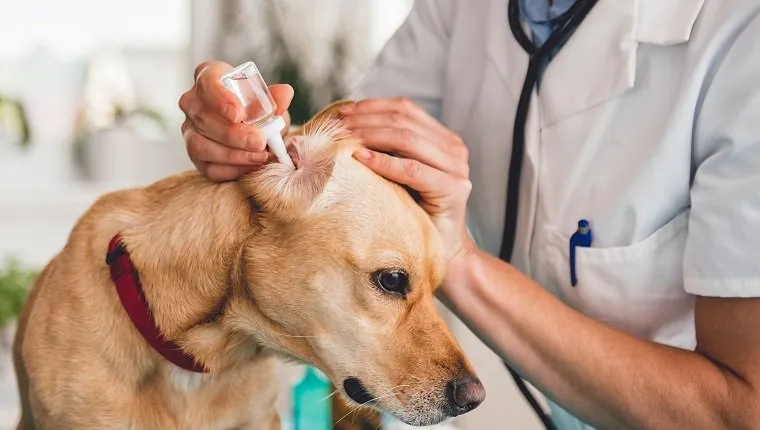
No matter what type of ear infection your dog has, you’ll need to help with their recovery process. This includes keeping water out of your pet’s ears, making sure they get necessary medications, and taking them to follow-up vet appointments.
It’s not always easy to medicate a dog in this condition. Ask your vet for guidance in how to follow the procedure properly.
Keep in mind that the area may be tender for your dog. Therefore, you should proceed gently and carefully, and reward your dog after you finish the medication and cleansing process.
In most ear infection cases, the problem will clear, and there will be no long-lasting effects of the infection.
If your pet seems to get ear infections on a regular basis, your vet might want to look at other potential reasons for the problem, such as thyroid disease or allergies. By treating these conditions, you may effectively resolve the ear infection issue.
Prevention Of Ear Infections In Dogs

The easiest way to treat an ear infection in your dog is to prevent one from occurring in the first place.
You can assist the prevention process by giving your pet a weekly ear cleaning. This is especially important if your dog has long, floppy ears, lots of hair inside the ears, or suffers from another condition like seasonal allergies.
Dogs with hairy ears can also have the area trimmed or plucked regularly by a groomer to prevent problems.
Your vet can recommend an ear cleansing solution. You can use this on your pet every week to keep the area clean and free of debris and bacteria.
While this may seem like a traumatic process to put you and your pet through every week, most vets agree that the more regularly you perform these cleanings, the easier it will get as your pet gets used to having their ears handled in this manner.
If your pet is suffering from chronic ear infections, or has another condition that prompts these infections, weekly maintenance and preventative care will go far towards keeping your dog healthy and happy.
Has your dog ever had an ear infection? How did you treat it? Let us know in the comments below!
Discover more from DogTime
Subscribe to get the latest posts sent to your email.