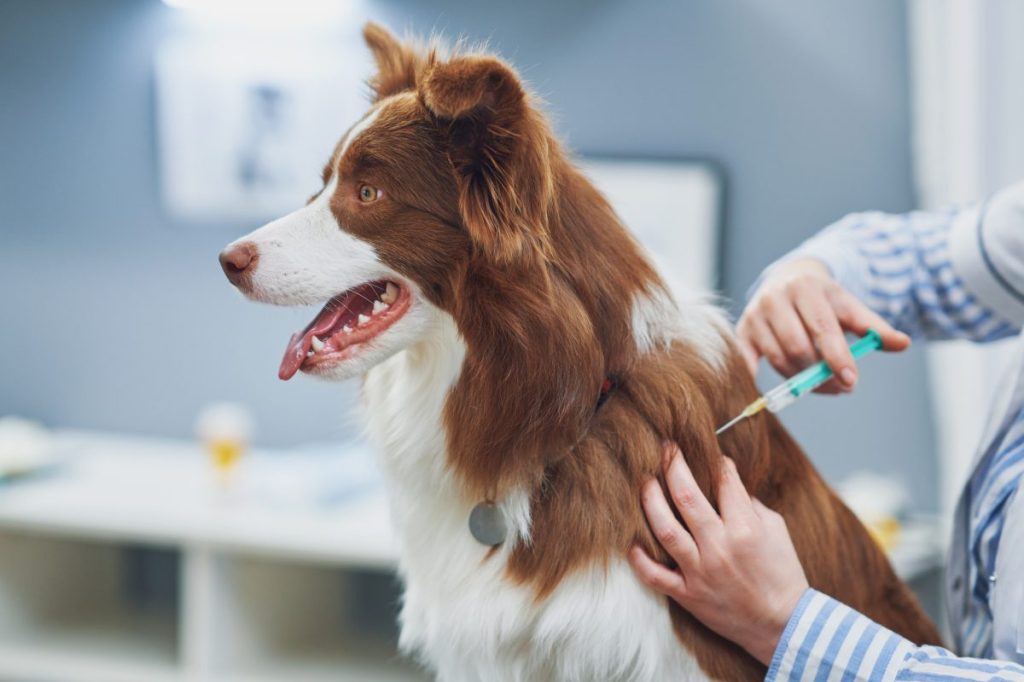
When it comes to your dog’s health, the single most important thing you can do is make sure they get their shots. Vaccinations protect your dog from a range of infectious diseases, some of which can be fatal. They work by stimulating your dog’s immune system to recognize and combat specific pathogens. By introducing a harmless form of the disease-causing organism — either inactivated or weakened — vaccines prepare your dog’s body to fight off real infections more effectively. This not only helps protect your individual pet but also contributes to the broader concept of herd immunity by preventing the spread of contagious diseases within the pet population.
Here’s everything you need to know about the types, schedule, and costs of dog vaccinations.
Table of contents
- What vaccines do dogs need?
- Understanding the vaccination schedule for puppies
- Which diseases can be prevented with dog vaccinations?
- How to determine which vaccines are required for dogs in your state?
- Are titers an alternative to annual dog vaccinations?
- What if your dog misses a booster?
- Why it is important for a vet to vaccinate your dog
- How much do dog vaccinations cost?
- Are vaccines safe for dogs?
What vaccines do dogs need?
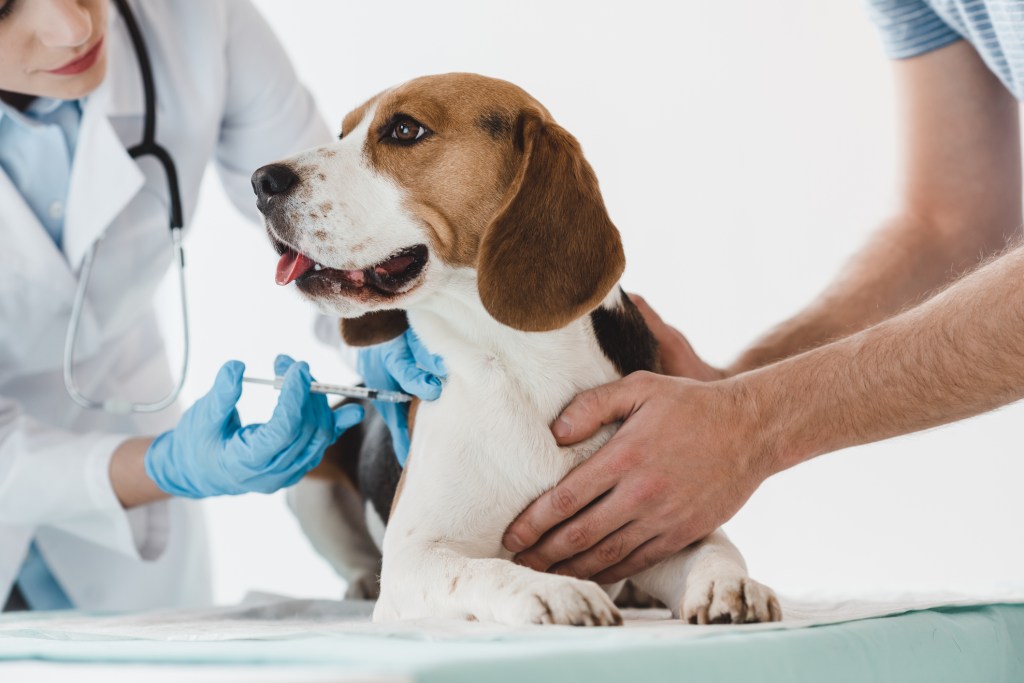
The American Animal Hospital Association (AAHA) categorizes dog vaccinations into two main types: core and non-core.
- Core vaccines: Core vaccines are those that are considered essential for all dogs, regardless of their lifestyle or geographic location. These vaccines protect against diseases that are widespread and have a high mortality rate. The core vaccines for dogs typically include canine distemper virus, adenovirus (hepatitis), parvovirus, parainfluenza virus, and rabies. The DA2PP, DHPP, or DAPP vaccines — commonly referred to as the “5-in-1 vaccine” — are formulations that cover these core diseases — excluding rabies — in a single shot.
- Non-core vaccines: Non-core vaccines — also known as lifestyle vaccines — are recommended based on a dog’s individual risk factors, which may include their lifestyle, geographic location, and exposure to other animals. While not mandatory for every dog, these vaccines can be crucial in specific circumstances. Some of the common non-core vaccines include Bordetella, Leptospirosis, Lyme disease, canine influenza, and rattlesnake toxoid. Your veterinarian will help you decide which non-core vaccines are necessary for your pet.
Understanding the vaccination schedule for puppies

Puppies, like human babies, receive some immunity while still in the womb and additional immunity from their first milk. Unlike in humans, however, that immunity fades in puppies very quickly during the first few weeks of life. That’s why vaccines have to take over.
As is often the case, timing is everything. Only a veterinarian armed with your dog’s complete medical history can determine which vaccines should be given and when they will be most effective. Nonetheless, a typical vaccination schedule for puppies starts when they are six to eight weeks old and continues until they are around 16 to 18 weeks old. The schedule usually includes a series of vaccinations given at intervals to ensure the puppy develops adequate immunity. Here’s what a general vaccination schedule looks like:
- Six to eight weeks: Distemper, Hepatitis, Parvovirus, Parainfluenza (DHPP)
- 10 to 12 weeks: DHPP booster, Leptospirosis (if recommended)
- 14 to 16 weeks: DHPP booster, Rabies — depending on local laws
- 12 to 16 months: DHPP booster, Rabies, and other non-core vaccines if needed
Once your dog has completed their puppy vaccinations, they’ll need regular booster shots to maintain their immunity. Most adult dogs will require boosters for core vaccines every one to three years, depending on the vaccine and your vet’s recommendation. Non-core vaccines may need to be administered more frequently, especially if your dog is at high risk.
Which diseases can be prevented with dog vaccinations?

By keeping your dog up-to-date with their vaccinations, you help to ensure their long-term health and well-being. Some of the most common diseases that can be prevented through regular vaccination are:
Rabies
This is a potentially deadly and highly contagious disease, dangerous to both humans and dogs. Although it’s rare in North America, rabies remains a serious illness that infects many mammals in the wild, which can bite and infect your unvaccinated dog. Your puppy will receive their first rabies vaccine when they are three to four months old, and annual boosters are required.
Canine distemper
Canine distemper was a major killer of dogs in the past. Now, it is common mainly in shelters and pet stores. However, it is still widely seen in the wild, making it a constant risk. Distemper is a devastating disease that can severely impact a dog’s health, particularly their nervous system. This potentially fatal virus most often affects young dogs, although it can attack at any age.
Canine parvovirus
Canine parvovirus is one of the most common and hardest-to-kill viruses in the world, and every species has its unique version. With a fatality rate of up to 80 percent, it is a resilient virus that can survive on surfaces, such as furniture, for an extended period. It can be lethal within a matter of days. Maternal antibodies can interfere with the vaccine’s effectiveness early on. This creates a window of vulnerability between the end of genetic immunity and the onset of vaccine protection. Only a veterinarian can determine how early and how frequently your dog may need the parvovirus vaccine.
Canine leptospirosis
Canine leptospirosis is actually caused by a bacterium — a spirochete — that can infect both humans and dogs. The spiral-shaped organism replicates in various organs and interferes with their proper function. When it is in full bloom, it can lead to chronic kidney and liver failure, and even death. Vaccination is particularly important in areas where leptospirosis is common. These include areas with high rainfall, warm climates, and environments where standing water is present. Check with your vet about how often your dog should receive this vaccine.
Canine adenovirus
Canine adenovirus/viral hepatitis is a blood disease that adversely affects the liver. Initially, the virus affects the tonsils and larynx, causing a sore throat, coughing, and occasionally pneumonia. As it enters the bloodstream, it can affect the eyes, liver, and kidneys. The cornea — the clear portion of the eyes — can appear cloudy or bluish, a condition that vets call “hepatitis blue eye.” As serious as it is, canine adenovirus shouldn’t be confused with human hepatitis. This particular bug can’t pass to human beings.
Canine parainfluenza
Canine parainfluenza is a highly contagious but relatively mild and self-limiting respiratory tract infection, typically lasting five to 10 days. It is usually transmitted through the nasal secretions of infected dogs and can cause a persistent cough, potentially leading to more persistent bronchitis. Although it is not typically dangerous on its own, parainfluenza can make dogs more susceptible to other opportunistic infections and respiratory problems. For this reason, the vaccine for parainfluenza is a standard component of the DHPP vaccine.
Infectious tracheobronchitis
Infectious tracheobronchitis, commonly known as kennel cough, is a complex of viruses that can cause a harsh, hacking cough resembling a chest cold in humans. Kennel cough — as the name suggests — is most often spread in kennels or other group settings. It is generally only a serious condition for very young or very old dogs, or those with compromised immune systems due to other illnesses or parasites. While kennel cough usually resolves on its own, it can be prevented entirely through regular vaccinations. Many kennels or boarding facilities require proof of current immunization before allowing your dog to enter.
Canine coronavirus
Canine coronavirus is nearly as prevalent as parvo and can be almost as dangerous. Its effects can range from the equivalent of a bad flu to terminal illness. Most veterinarians now include it in their vaccination programs, administering it in tandem with the DHPP vaccine. Sometimes, it is referred to as “DHPP+C.”
How to determine which vaccines are required for dogs in your state?
Each state in the United States has its own set of regulations regarding mandatory dog vaccinations. To find out the specific vaccine requirements in your state, start by consulting your local veterinarian. They are well-versed in state laws and can provide personalized recommendations based on your dog’s age, lifestyle, and health status. Additionally, state and local government websites often provide detailed information about mandatory vaccinations.
You can also refer to guidelines from authoritative organizations such as the American Veterinary Medical Association (AVMA) or the American Animal Hospital Association (AAHA), which regularly update their recommendations based on the latest research and disease prevalence data.
Are titers an alternative to annual dog vaccinations?
Titers, or antibody titer tests, measure the presence and concentration of specific antibodies in your dog’s blood. They are increasingly being considered as an alternative to routine annual vaccinations, primarily due to growing concerns about over-vaccination. By assessing whether your dog has sufficient immunity, titers can help determine if a booster shot is necessary, thus potentially reducing the frequency of vaccinations.
While titers can provide valuable information about your dog’s immune status, they are not universally accepted as a complete substitute for vaccinations. Some veterinarians argue that not all diseases have reliable titer tests, and certain vaccinations, such as those for rabies, are mandated by law regardless of titer results. Additionally, titers might not reflect the entirety of the immune system’s capabilities, such as cell-mediated immunity, which also plays a crucial role in disease protection. Titers can also be more expensive and less convenient than routine vaccinations. Regardless, it’s always a good idea to have a thorough discussion with your vet to determine the best approach for your dog.
What if your dog misses a booster?
If your dog misses a booster vaccination, contact your veterinarian as soon as possible. Booster shots are essential for maintaining your dog’s immunity against various diseases, and missing a scheduled dose can leave your pet vulnerable. Depending on the type of vaccine and the length of time since the missed booster, your vet may recommend either an adjusted vaccination schedule or a repeat of the initial series of shots to ensure optimal protection. As such, regular communication with your vet and staying on top of vaccination schedules will help avoid these issues.
Why it is important for a vet to vaccinate your dog
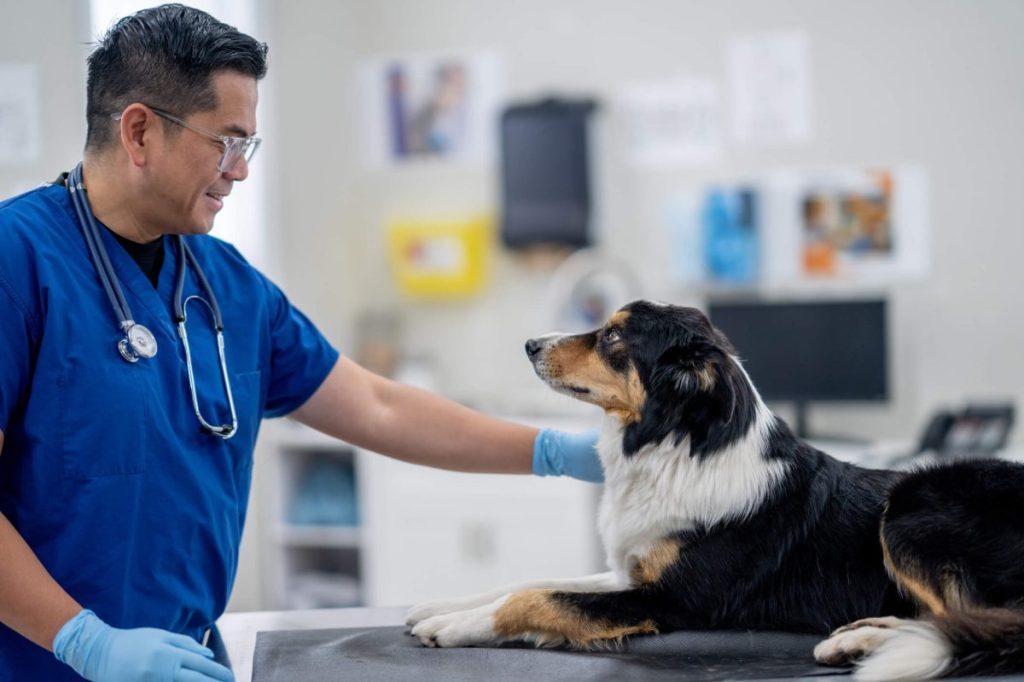
There are a number of do-it-yourself vaccination kits available these days. They’re appealing, as it’s both expensive and inconvenient to take your dog — especially puppies — in for their shots. However, there are real advantages to relying on your veterinarian for the entire vaccination process. Your regular vet will:
- Gather a full medical history before the first vaccination, which can come in handy during future treatments
- Give your dog a full medical exam prior to the injections
- Make recommendations about how often boosters might be needed, given your dog’s individual history and regional concerns
- Keep track of the future timetable for vaccine follow-ups and boosters
- Provide the paperwork you’ll need to board your dog or enter them in competitions
How much do dog vaccinations cost?
The cost of dog vaccinations can vary widely depending on several factors including geographic location, the specific veterinary clinic, the type of vaccines administered, and whether it’s a first-time vaccination or a booster shot. On average, you can expect to pay between $20 to $60 for the core vaccines. Non-core vaccines may add additional costs ranging from $20 to $40 per shot.
Furthermore, annual booster shots typically cost between $50 and $100 per year. Some clinics offer bundled packages that can lower the overall expense, while mobile vaccination clinics or community programs might provide vaccinations for free or at a reduced cost. Pet insurance can also help offset these expenses, though it is essential to review the coverage details to understand what vaccinations are included.
Are vaccines safe for dogs?
Vaccines are generally safe and effective for dogs. Just as in humans, vaccines for canines are developed through rigorous testing and must meet stringent safety standards set by regulatory agencies.
While the majority of dogs experience no adverse effects from vaccination beyond mild discomfort at the injection site, some may have minor side effects like lethargy, mild fever, or temporary loss of appetite. These reactions are typically short-lived and resolve on their own, usually within a day or two. In very rare instances, more serious reactions can occur, but these are the exception rather than the rule.
It is important to note that factors such as age, breed, health status, and lifestyle can influence which vaccines are most appropriate. Always discuss your pet’s complete health history and any concerns you may have with the vet to ensure the safest and most effective vaccination plan for your dog.
Discover more from DogTime
Subscribe to get the latest posts sent to your email.